The US Department of Defense has awarded Sila, a US-based battery materials startup, a $1.4 billion loan to help expand production of its silicon-carbon battery material. This loan comes at a time when US battery buyers, including automotive companies and defense contractors, are struggling to procure battery materials not made in China.
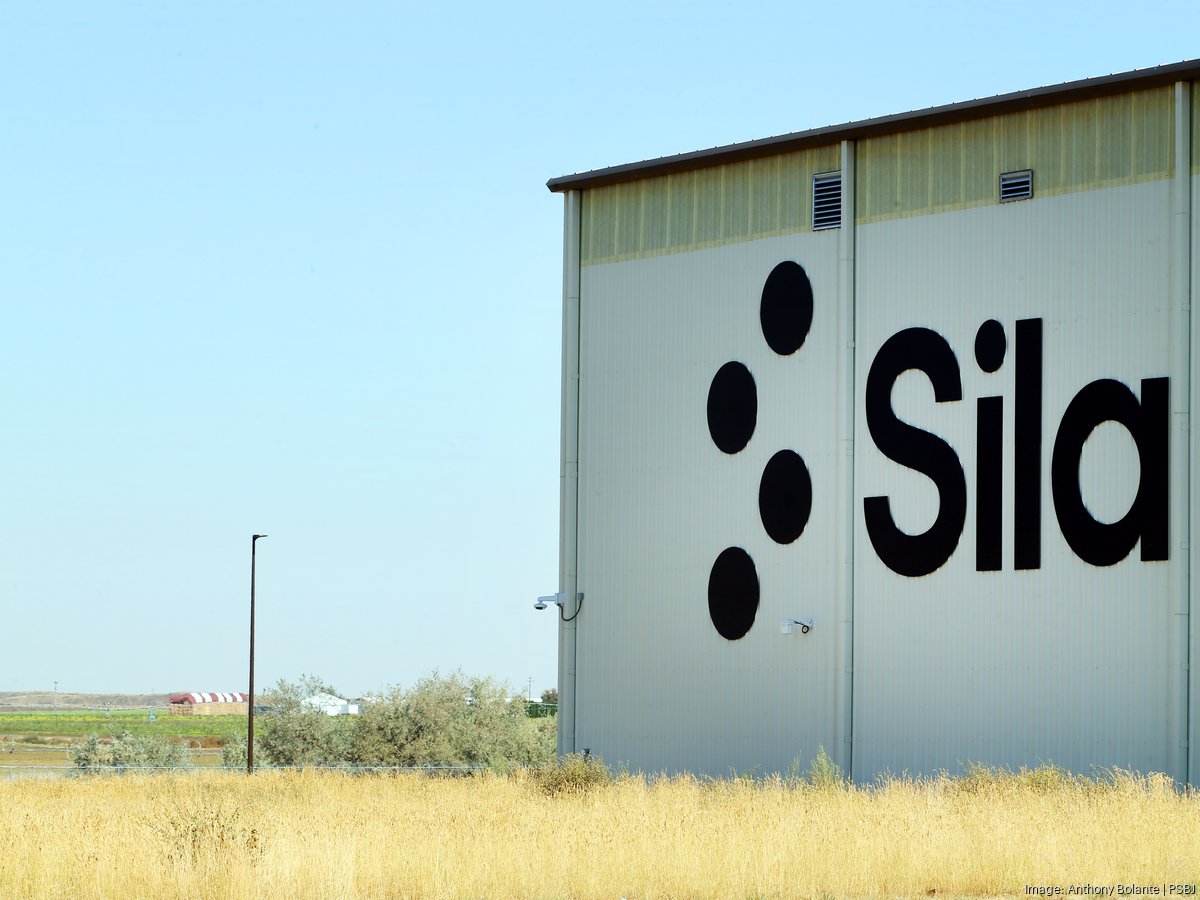
Currently, most lithium-ion battery anodes use graphite, with Chinese companies dominating the supply chain. Sila's silicon-carbon material, produced at its factory in Moses Lake, Washington, offers a promising alternative, with the potential to store 20% to 40% more electricity than graphite anodes.
The improved energy density of Sila's material could lead to longer-lasting cells or smaller, lighter batteries, making it an attractive option for defense and mobility applications, such as drones and electric vehicles. With its factory currently producing about 2 gigawatt-hours of anode material annually, Sila is working to expand its production capacity fivefold, enabling it to produce enough material for over 100,000 electric vehicles.
In July, the company raised $300 million to support this expansion, led by Atreides Management and Sutter Hill Ventures, bringing its total funding from private investors to over $1.5 billion, according to PitchBook.
Sila has already secured deals with major companies like Mercedes and Panasonic, and the new loan from the Pentagon could open up opportunities for contracts with defense companies, which have been securing large deals amid ongoing conflicts in Iran and Ukraine.
The Department of Defense also announced deals with three other companies alongside the loan to Sila. With this significant investment, Sila is poised to play a critical role in the US battery supply chain, reducing reliance on Chinese-made materials and supporting the growth of the domestic electric vehicle industry.
As the demand for advanced battery materials continues to grow, Sila's silicon-carbon technology is well-positioned to meet the needs of both defense and commercial applications.
The company's ability to produce high-quality anode material at scale, without the geopolitical concerns associated with Chinese-made materials, makes it an attractive partner for companies looking to secure their supply chains. With the support of the Pentagon loan, Sila is likely to accelerate its expansion plans, driving innovation and growth in the US battery industry.