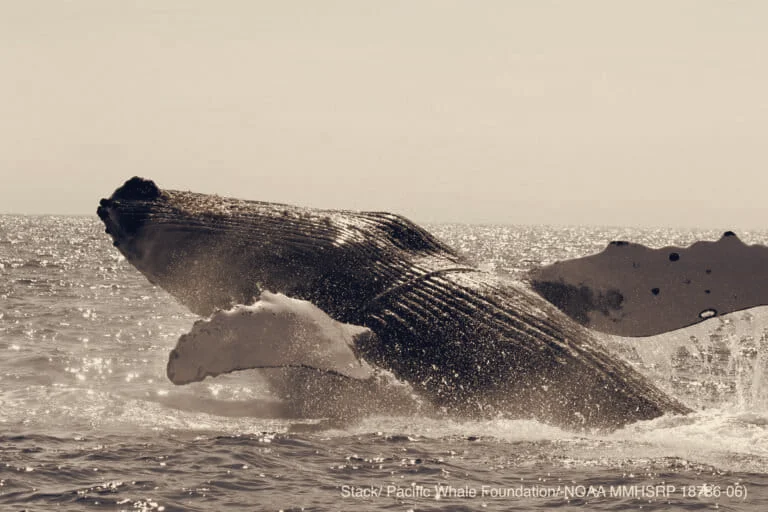
The Hawaiian humpback population declined sharply after the 2013-16 northeastern Pacific marine heatwave and had not recovered through 2023, a new photo-identification study reports. Researchers estimate a 37% drop in the number of identified whales between the 2014-2015 breeding season and 2021-2022, and they found adult survival rates plunged during the heatwave.
North Pacific humpbacks feed in cold Alaskan and Canadian waters during summer, then undertake an annual migration of roughly 4,800 kilometers to Hawaii to breed and calve in winter. The species depends on dense aggregations of krill and small forage fish in feeding grounds, resources that declined sharply during the prolonged warm conditions of 2013-2016.
To measure population change, the team analysed more than 27,000 photographs of whale sightings taken between 2002 and 2023 across the main Hawaiian islands. The images were drawn from Happywhale, a public photo-ID platform where contributors upload pictures of tail flukes that scientists use to recognise individuals. “Their flukes are a bit like a fingerprint for each individual humpback whale,” said study co-author Shannon Barber-Meyer, formerly with Pacific Whale Foundation.
The authors report that adult year-to-year survival, which averaged roughly 99% before the heatwave, fell to an estimated 68% during the 2013-16 event. “It’s a very precipitous drop, and that’s not something you normally see in adult survival of long-lived mammals,” Barber-Meyer said. The study also notes an unusual mortality event occurred during the heatwave period.
Investigators link the timing of the population loss to the collapse of forage species in the northeastern Pacific during the same years, indicating reduced prey availability likely contributed to higher mortality and lower detection of individuals in Hawaiian breeding areas. The decline and the marked fall in adult survival together signal reduced resilience for a long-lived marine mammal population.
Through 2023 the authors found no sign that counts had rebounded to pre-heatwave levels. The study demonstrates the value of long-term, large-scale photo-ID datasets for detecting demographic change in wide-ranging species, and highlights the vulnerability of migratory baleen whales to sustained ocean warming.