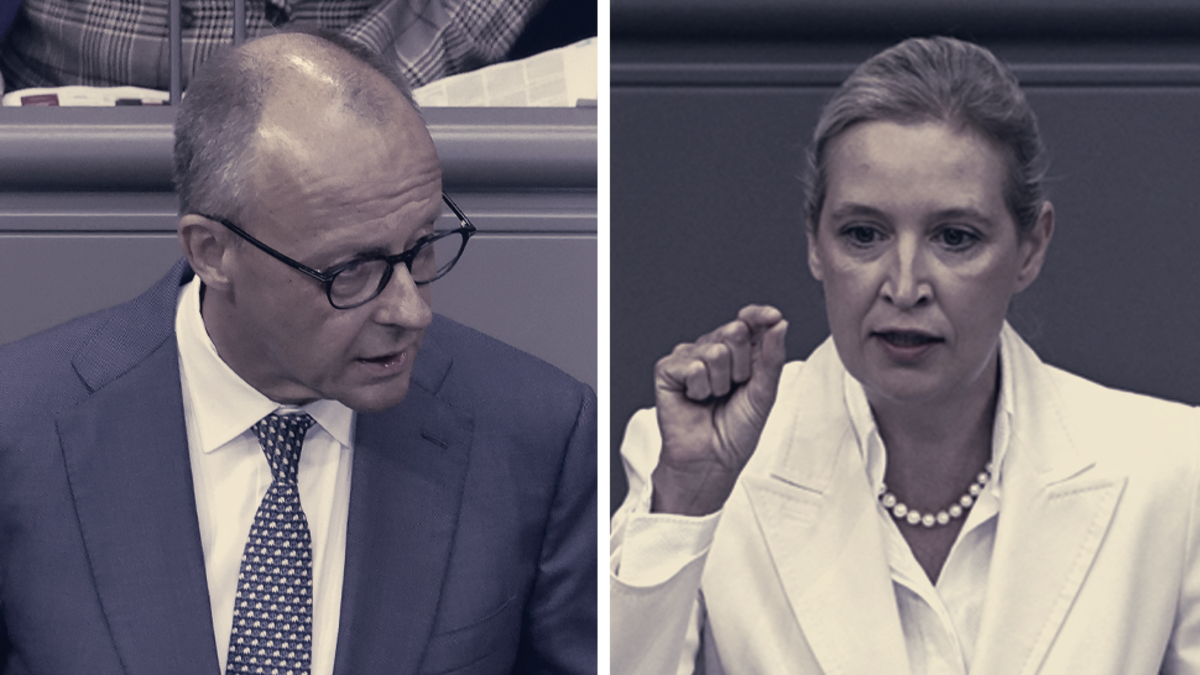

The AfD's near 44% victory in Saxony-Anhalt has put Germany's governing coalition on the defensive, and Chancellor Friedrich Merz used a heated Bundestag session to warn the party's migration proposals would strip the country of vital skilled labour.
Merz said the party in the eastern state represented a "destructive force" and accused it of harming German interests by backing Russia. He told MPs the AfD's promise of large-scale deportations and "remigration" would touch millions, and said the policy amounted to "nothing other than an ethnic cleansing in the skilled trades based on skin colour and origin." The chancellor added that one in six skilled workers in Germany has a migration background.
Alice Weidel, leader of the AfD in the Bundestag, opened the debate by arguing voters had punished Merz's Christian Democrats and that the coalition with the centre left had failed. She told MPs the CDU had been "pulverised" in Saxony-Anhalt after taking 17.2% of the vote, and blamed the government for driving Germany toward bankruptcy. Weidel also linked mass migration to attacks and knife violence in public spaces.
Merz countered that if the AfD's plans were implemented, everyday services would falter. He warned no single care home, hospital or restaurant could operate under the party's proposals, and challenged Weidel over a change in the AfD's stance after the vote, saying her party had misled voters by shifting from an insistence on a majority to seeking power by other means.
Parliamentary proceedings turned disruptive as AfD MPs repeatedly heckled the chancellor. Bundestag President Julia Klöckner at one point threatened to expel members, saying "We are not on a football pitch." The AfD fell three seats short of an outright majority in Saxony-Anhalt, leaving its ability to form a state government uncertain. Party figures have signalled openness to working with other groups, including the left‑wing populist BSW, if they support AfD candidate Ulrich Siegmund as state premier.
German domestic intelligence has labelled the AfD's Saxony-Anhalt organisation "right-wing extremist," while the party has publicly promised a deportation and remigration offensive targeting irregular migrants. International reactions have followed the result: US President Donald Trump praised the outcome, saying "the Populist Party in Germany just had a really big night" and linking the success to what he called "absolutely horrible immigration rules and regulations." Merz has described the outcome as "seismic" and conceded it has changed Germany.
The immediate political question is whether the AfD can convert its regional surge into governing power without breaching the firewall most mainstream parties say they will maintain. For now the result has intensified parliamentary polarisation and left national leaders weighing how to respond to an eastern state result that many describe as unprecedented in postwar Germany.