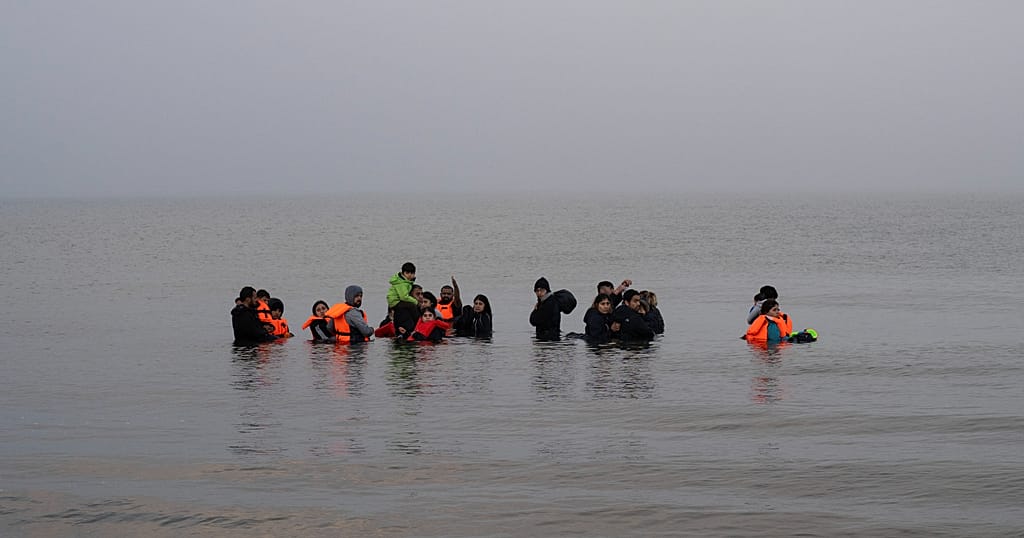

Families and 114 civil parties gain a courtroom forum this week as 14 people accused of organising a 2021 English Channel crossing stand trial in France over the deadliest recorded small-boat accident in the Channel. The case centres on a dinghy that sank in November 2021, an episode that left 27 people confirmed dead and four others unaccounted for.
Only two passengers survived. Their testimony describes a flimsy inflatable that began to deflate and take on water after several hours at sea, sending people overboard one after another. Passengers made about a dozen emergency calls to French and British rescue services before the vessel was located nearly 12 hours after the first distress messages, by which time most onboard had drowned.
The victims ranged in age from seven to 46 and were mostly Iraqi Kurds, with others from Afghanistan, Ethiopia and Egypt. Most of the defendants were born in Afghanistan. Prosecutors have charged them with offences including manslaughter and facilitating illegal immigration within an organised criminal group, and have extended liability to those alleged to have transported, housed or accompanied the victims during a chain of events that investigators say led to the sinking.
Defendants have rejected the smuggler label, with some saying they were migrants attempting the same crossing. Investigators point to phone records and location data linking several accused to the departure site and to the organisation of crossings. The probe identified two migrant-smuggling networks, one Afghan and the other Iraqi.
The trial brings intense public scrutiny because of the death toll and the number of civil parties, which include about a dozen relatives who travelled from Erbil in Iraq's Kurdistan region. Lawyers for the victims pressed for broad accountability. "Justice must hold accountable everyone who played a role in this tragedy," said Matthieu Chirez, who represents 113 civil parties. Emmanuel Daoud, another lawyer for the families, said he hoped the hearings would reframe migrants as people, not statistics, saying they should be seen not as "statistics or commodities, but human beings in search of a better life."
British and French authorities are also under investigation for possible failures to assist a person in danger. A UK inquiry earlier this year concluded some deaths would have been "avoidable" if authorities had acted sooner. That separate case could lead to an additional trial.
The three-week trial will test evidence from survivors, phone and location data, and the wider prosecutor view of organised networks that profit from Channel crossings, a route thousands of migrants attempt each year in hopes of reaching Britain from France.