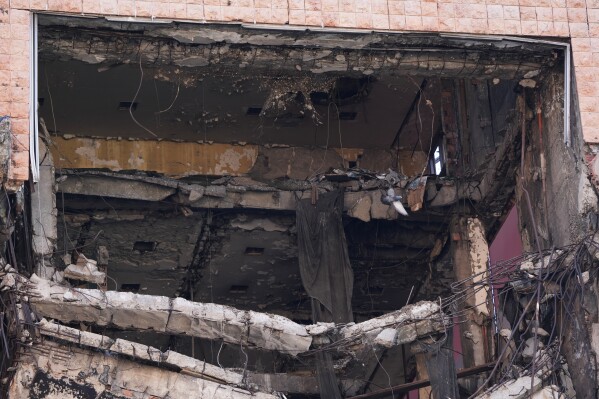

Villena has lost its most prized archaeological collection after a raid that officials say lasted only minutes. The municipally owned Villena Museum alarm sounded at 5.20am, and by 5.24am the thieves had left, the town council spokesperson said. The operation was, in the spokesperson’s words, “super-fast and super-professional.”
Police and town authorities reported that the robbers removed most of the 66 mostly gold objects that make up the Treasure of Villena. Mayor Fulgencio Cerdán told journalists, “They’ve taken most of the treasure,” and added, “We are absolutely devastated, I’m even trembling. The truth is that for those of us from Villena, this destroys us. It’s part of our heritage, of our wealth.” Local press said the few items left behind included three silver vessels, a bracelet and parts of the ceremonial bastón del reyezuelo, or “Kingfisher staff.”
Discovered in 1963 by archaeologist José María Soler in a dried riverbed, the hoard contains 29 bracelets, 11 bowls, three bottles and other pieces dating to about 1000 BC. Since May 2024 the collection has been displayed in a dedicated room at the newly opened museum. The mayor put the gold’s market value at about €1.7m, while scholars stress the trove’s cultural and scientific worth.
Researchers have long noted the hoard’s unusual materials, which include silver, amber and a dark leaden substance coated in a ferrous-like oxide. A recent paper in Trabajos de Prehistoria argued some items were likely forged from rare meteoritic iron, increasing their uniqueness and the stakes of the loss.
Spanish officials said the thieves arrived in several vehicles and appear to have entered through a window, Manuel Pineda, the Spanish government’s deputy representative in Alicante, said. The town council insisted “all security systems were activated” and that there had been “no failure” by the museum. Authorities are investigating whether an alarm at the city’s sports centre shortly before the theft was a deliberate diversion.
Archaeology professor Mauro Hernández of the University of Alicante said the raid bore the signs of careful planning, “They had it very well planned,” he told Cadena SER. The Villena theft follows a string of high-profile European raids, from the Louvre theft last October to recent museum robberies in Italy. Europol has warned of a shift “towards violent and forceful methods,” and said some cases show thieves organised ad hoc, often via social media and instant messaging, rather than through established trafficking networks.
Investigators now face the dual challenge of tracing rapidly moved, highly valuable objects and responding to a pattern Europol says may indicate new, agile criminal groups targeting cultural goods. The town of Villena, meanwhile, is left without the artefacts that anchored its museum and local identity while police pursue leads prompted by the four-minute break-in.