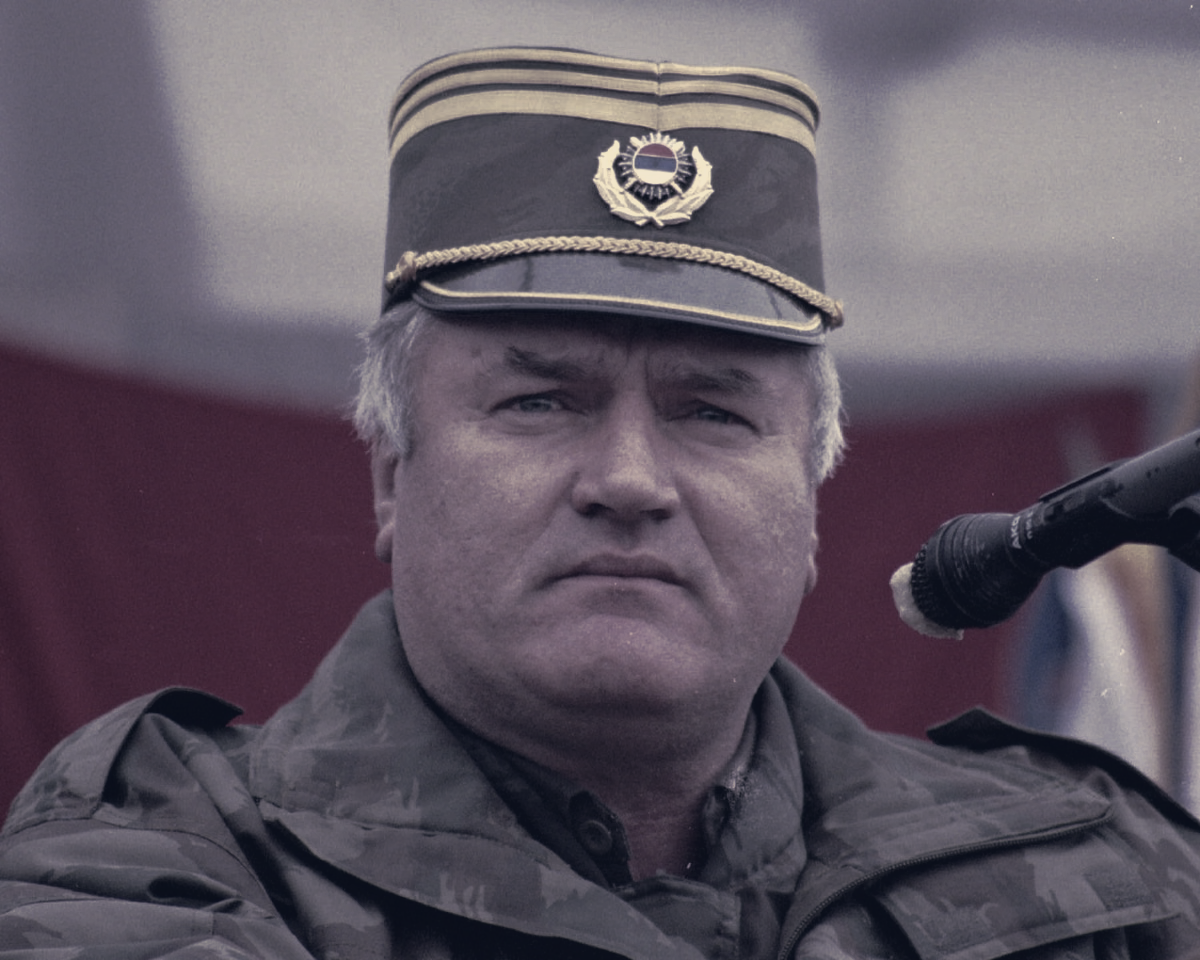

Who loses? Survivors and victims' families lose the living symbol of a man convicted of genocide, a focal figure of wartime accountability. The Guardian reported that Ratko Mladić, the Bosnian Serb commander long held responsible for the Srebrenica massacre and often referred to as the "Butcher of Bosnia", has died in a prison in The Hague while serving a life sentence for genocide.
The news ends a chapter in which Mladić lived under international custody while his conviction stood, and it changes how the legacy of his crimes will be managed. His death removes a defendant who had been the subject of legal proceedings and public scrutiny, shifting the burden of commemoration, legal closure and public reckoning onto courts, governments and communities rather than onto a living perpetrator.
For victims and advocates, that shift poses immediate and long-term questions about justice and memory. Without the possibility of further testimony or direct confrontation with him, calls for explanations, reparations and institutional accountability will focus on other actors and on the institutions that investigated and tried him. The emotional and political work of remembering Srebrenica and addressing its consequences will continue in Bosnia and beyond, but without Mladić present as a defendant or public figure.
The Guardian is the source of the report. Official institutions and courts are now tasked with recording the formal details of his death and handling the procedural and symbolic aftermath. How governments, courts and Bosnian society respond will determine whether his death closes a legal book, intensifies debates over responsibility, or renews attention to unresolved demands for justice.