
A mistrial has left Lindsay Clancy's fate unresolved and sharpened a bitter national debate about maternal mental health and criminal responsibility. After nearly seven weeks of testimony, a judge declared a mistrial when jurors, who had deliberated for 40 hours, failed to reach a unanimous verdict.
The 36-year-old nurse sat through testimony from dozens of witnesses and more than 10 experts who disagreed about her mental state before she killed her three children and later injured herself by jumping from a second-floor window, leaving her paralysed. The defence argued Clancy was suffering from postpartum psychosis and could not be held criminally responsible. Prosecutors said the killings were deliberate and planned.
Medical testimony cut both ways. One clinician who treated Clancy over several months said she had not observed psychosis during sessions. Another psychiatrist told the court that the American Psychiatric Association does not recognise postpartum psychosis as its own formal diagnosis. Those divisions echoed in public reaction, where the trial became a proxy fight over how the legal system should treat rare but severe post-birth mental illness.
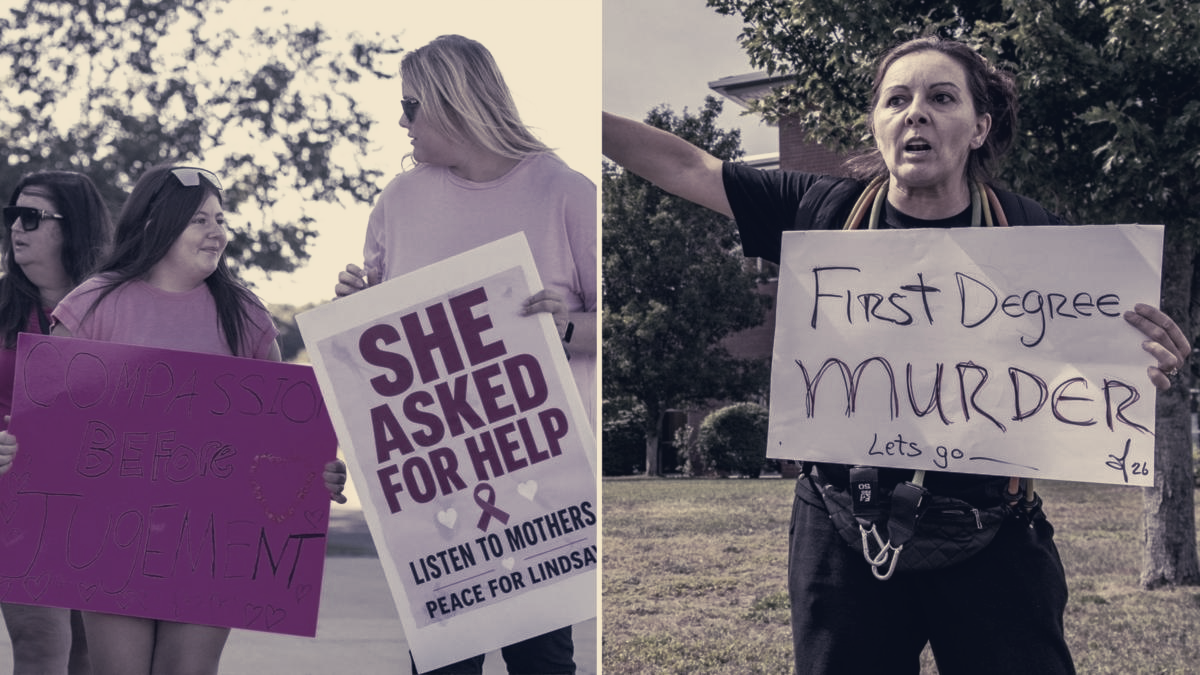
Outside the courthouse in Plymouth, supporters and opponents made that split visible. Dozens of women wearing pink rallied for Clancy. Jodi Fournier, who spent 15 days near the trial, said the case highlighted failures in the health system and wanted to show solidarity with mothers facing postpartum struggles, saying, "It only takes one person to change the narrative." Others travelled to the town to watch proceedings in person, while many followed the case on social media.
Families and observers displayed starkly different responses. Maryanne Drysdale described disagreement within her own household, with her daughter calling for treatment for Clancy and her sons insisting she should be punished. Melissa Merrill, who had been treated at the same hospital as Clancy, said she recognised suicidal thoughts in Clancy's history. By contrast, Texas mother Nicole Russell criticised what she called "toxic empathy," arguing Clancy should not be made a symbol for difficult motherhood.
The mistrial removes a definitive legal outcome and leaves both the families involved and a divided public without closure. The deadlock also ensures the case will remain a touchstone in discussions about postpartum mental health, expert testimony in court, and how society balances compassion with accountability.