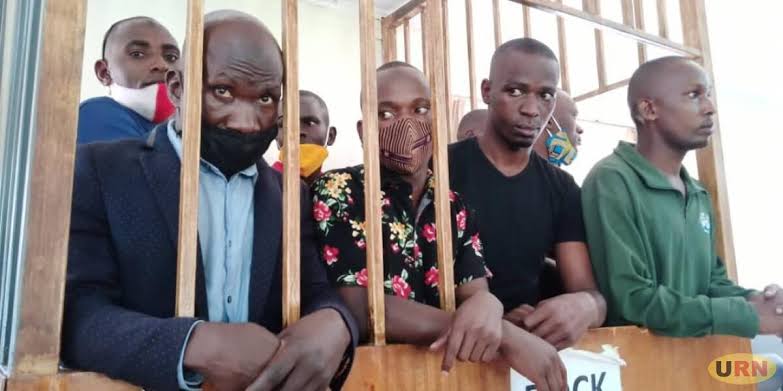

A Cairo court sentenced television presenter Sarah Khalifa to death by hanging, a verdict her lawyer says she will challenge on appeal. Eleven other defendants received the same sentence, nine were given life terms, and seven were acquitted.
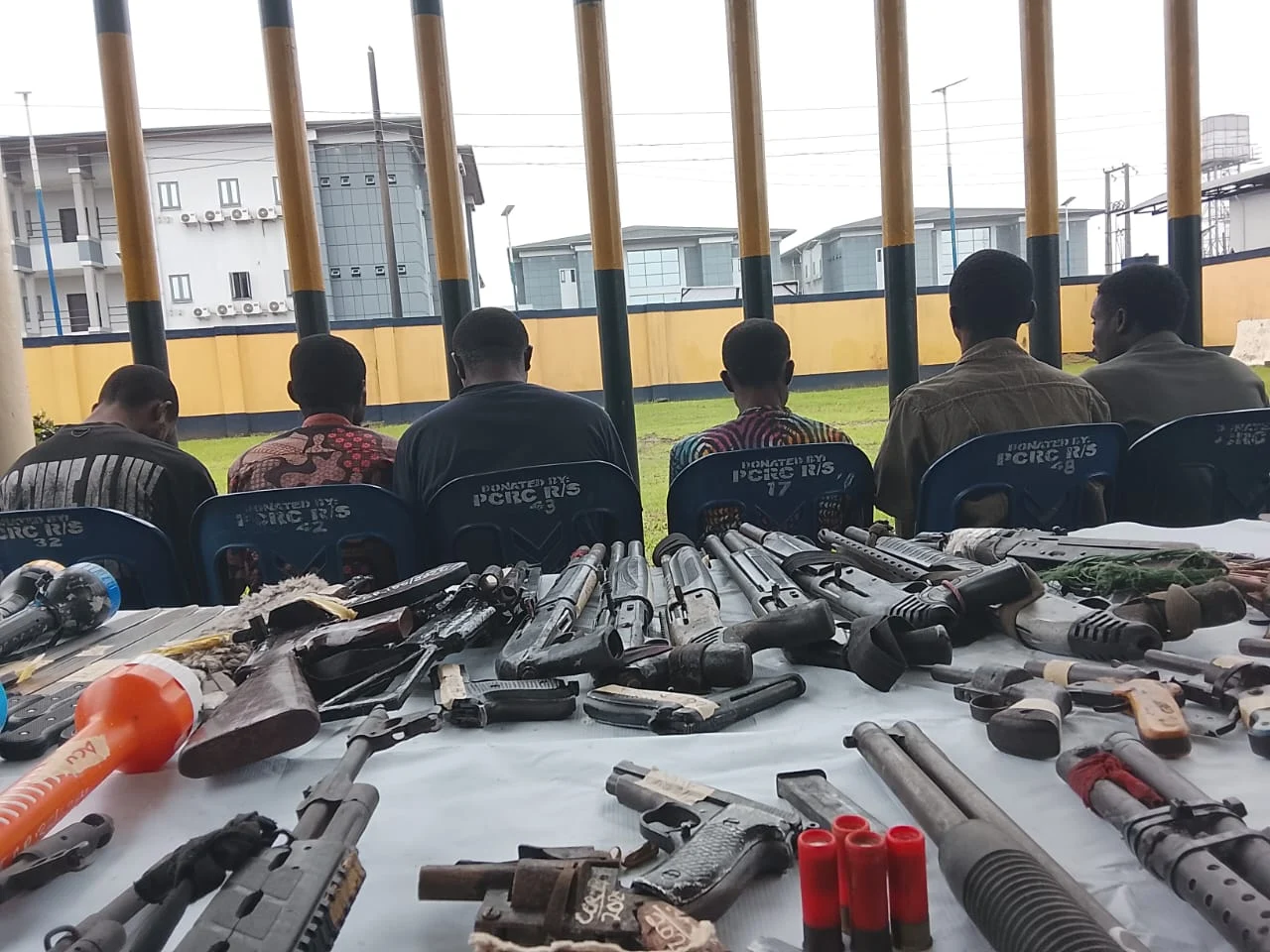
The court found the group guilty of involvement in a criminal network that imported raw materials used to manufacture narcotics, and of possessing illegal firearms and munitions. State reporting said prosecutors relied on physical seizures, witness statements and electronic material during the trial.
Authorities seized more than 750kg, 1,653lbs, of narcotics and the imported precursor chemicals said to have been destined for production, the court heard. Prosecutors presented statements from 20 witnesses plus electronic evidence including conversations and video clips.
Khalifa, 39, is best known for her television programme Mission Impossible, which focused on crime stories. She has denied the charges and told the court she had not seen any drugs before being photographed with them at anti-narcotics offices, according to state reporting of her courtroom comments.
The verdict was initially announced last month and was confirmed a month later after the court obtained a religious opinion from Egypt’s grand mufti, a required step in cases that carry the death penalty. Khalifa’s lawyer said an appeal would be filed.
A 2025 Amnesty International report recorded 492 death sentences during the year, 23 of which were carried out. The report criticised the use of the death penalty in cases involving drug trafficking and rape, saying those were "crimes that did not amount to 'intentional killing' to which the use of the death penalty must be restricted under international law and standards".
The sentence places Khalifa, a high-profile media figure, at the centre of a contentious legal process that now moves to the appeals stage.