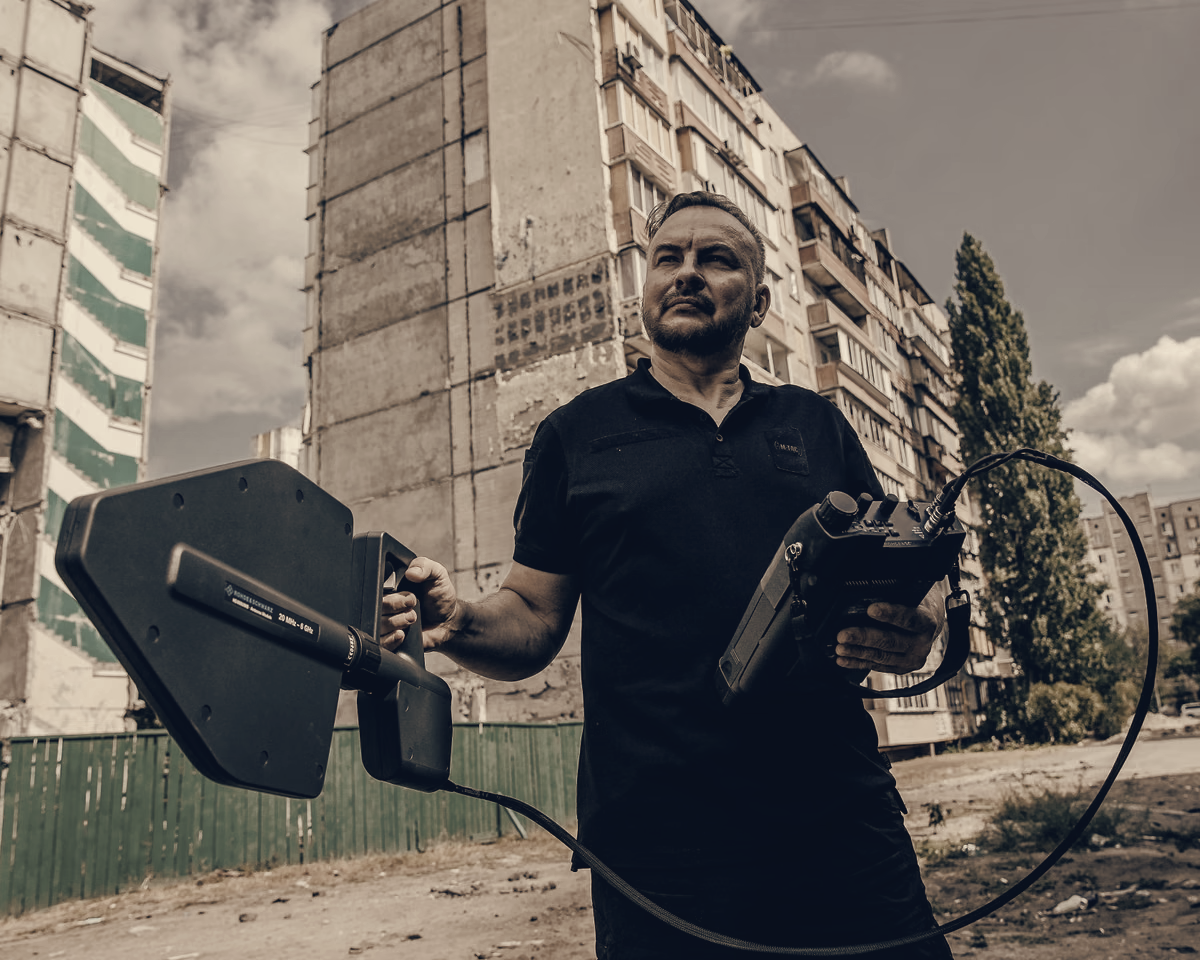

Serhii Beskrestnov, known by his call sign Flash, said the conflict has become, in effect, a battle over cities and infrastructure. He described a deadlock on the frontline while both sides extend their reach with missiles and drones, exposing people hundreds of miles from the fighting to rising danger. "Now, this is a war of cities, a war of infrastructure," he said.
Beskrestnov, 51, a radio specialist who joined Zelenskyy’s team after being appointed by the former defence minister Mykhailo Fedorov, said air defences can no longer match the volume of incoming weapons. He warned that Russia is producing high-speed ballistic missiles at a rate of more than 100 a month and that Vladimir Putin has ordered preparations for mass strikes on Ukraine’s energy facilities. Beskrestnov said Russia could mount a sustained campaign against Kyiv’s electricity, water and heating systems this winter, potentially creating a disaster affecting "2 to 3 million people." He suggested elderly residents should be evacuated as a precaution, while noting he was not speaking in an official capacity.
Ukraine, he said, is also escalating its campaign into Russian territory. Beskrestnov recounted plans to increase deep strikes, including a presidential target to lift the current pace of about 300 attacks to 1,000 a day, and earlier comments about launching 1,000 drones a night against economic and military targets and to disrupt civilian air traffic.
Technological shifts are widening the threat. Beskrestnov cited a suspected AI-guided Molniya drone that killed a person near a Zaporizhzhia gas station in July, and warned that autonomous guidance could render parts of Ukraine’s "huge jamming network" obsolete if radio links are no longer required. Russia has deployed faster, jet-powered Shahed variants that can exceed 200mph, and Beskrestnov said Moscow fired 2,500 such drones in August, up from 1,500 in July, with plans to make about 36,000 jet-powered Shaheds in 2027 and another 30,000 piston-engine models next year.
Kyiv is developing its own autonomous drones, and Beskrestnov said Ukraine has a prototype, but he judged that Russia currently has greater scale. He also warned that Ukraine remains short of US Patriot interceptors, the primary defence against ballistic missiles, and said he was "not sure" Zelenskyy could secure enough of them for winter needs, despite the president seeking 300 Patriot interceptors.
Beskrestnov framed the trajectory starkly: continued escalation of deep strikes, growing offensive capacity on both sides, and mounting civilian peril. "In this war, nobody will win this game," he said, arguing the conflict would leave both economies and infrastructures destroyed. He said Ukraine has proposed stopping the war, but that Russia is not willing to end hostilities. The near-term outlook, he warned, is more intense long-range attacks and a winter in which the risk to urban populations and critical services rises sharply.