
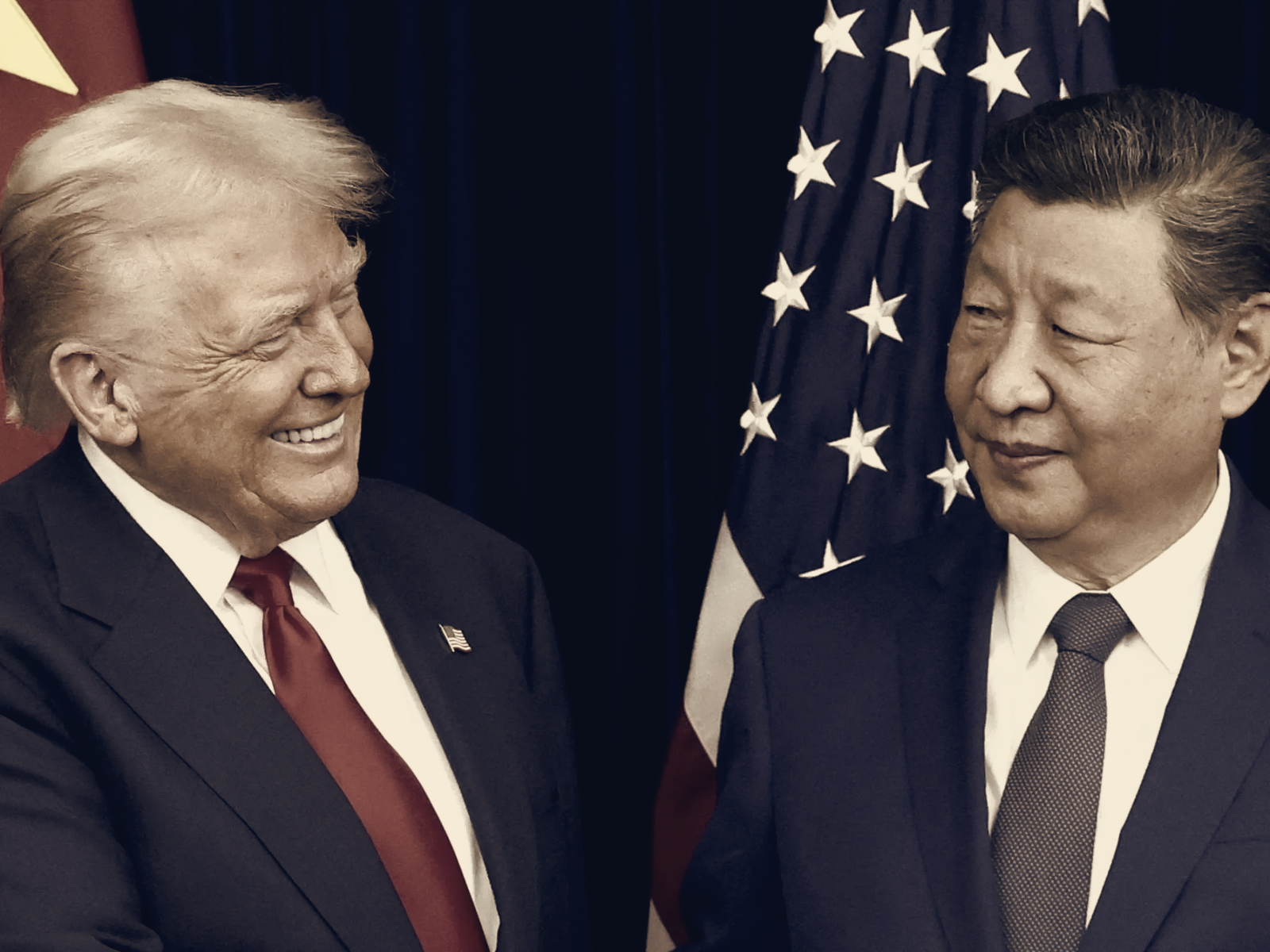
The immediate consequence of Xi Jinping’s state visit is a decision point for the fragile trade truce between Washington and Beijing, the outcome of which will shape near-term tariffs, export controls and supply-chain restrictions. Xi is due to be welcomed on the tarmac at Joint Base Andrews before a three-day stay, the first state visit by a Chinese leader in more than a decade, and trade and artificial intelligence competition are set to dominate the agenda.
Since Donald Trump returned to office in January 2025, his administration has piled on duties and technology curbs aimed at China, including a 10 percent duty early in his term and restrictions on AI chips. Beijing answered with levies on US coal, LNG, crude oil and autos, plus limits on exports of five metals used in defence and clean energy. The confrontation briefly cooled after tariff talks in South Korea produced a truce, but that agreement is due to expire on November 10 and has not stopped fresh measures on both sides.
Tariffs are only part of the confrontation. As of July 2026, a Congressional Research Service compilation shows Chinese goods entering the US faced an average tariff rate of 36.5 percent, while US goods into China faced 31 percent. Product-specific effective rates vary widely, data show: Chinese copper products faced 73.6 percent in June 2026, aluminium 65.2 percent, iron and steel about 50 to 58 percent, and vehicles and auto parts 44.4 percent. China also adds a 10 percent additional tariff on some US imports, lifting rates on items such as US crude oil to 20 percent, LNG to 25 percent, soya beans to 13 percent, and US beef to as much as 77 percent.
The economic impact is mixed. US-China bilateral trade fell 29 percent from $584 billion in 2024 to $415 billion in 2025, and it declined further into 2026, with trade totaling $222 billion in January, July, down 14.5 percent from the same period in 2025. The US goods trade deficit with China narrowed from $297 billion in 2024 to $203 billion in 2025, but that reflected a sharp drop in US imports from China rather than a rebound in US exports. China has partly offset lost US business by redirecting shipments elsewhere, its total goods exports rose 6.1 percent in 2025 to about $3.77 trillion, and Beijing reported a $1.2 trillion global trade surplus last year.
Beyond numbers, power is shifting into new arenas. Washington’s leverage rests on advanced technology and export controls, including limits on semiconductors and chipmaking equipment and a new trial against Huawei alleging technology theft. Beijing’s leverage lies in critical minerals and processing capacity, notably rare earths, where it controls nearly 90 percent of global refining and has already used export curbs. With the truce’s expiry looming, the White House encounter will determine whether the two sides extend the pause or return to stepped-up tariffs, sanctions and supply-chain decoupling.