UK funding for Sierra Leone’s newborn care programme will end in December 2026, two years earlier than planned, placing recent survival gains and specialist training at immediate risk. The change means clinics that expanded neonatal services with international support now face reduced technical support, gaps in medicine supply and the loss of paediatric expertise.
David Harewood, a Unicef UK ambassador who visited Makeni regional hospital in 2019, described seeing tiny premature babies in incubators marked with UK aid stickers and the oxygen equipment that had kept them alive through frequent power outages. He said that moment gave him pride in what British taxpayers had helped deliver, and warned that “babies live or die because of political choices.”
Since Unicef began supporting Sierra Leone’s special neonatal units in 2017, annual admissions rose from around 1,000 to 14,000, and survival rates improved from 78% to 90% by the end of 2025. Those improvements depended on sustained inputs: international paediatric support, specialist neonatal nurse training, functioning equipment and steady supplies of medicines. Around the start of 2025, global aid funding fell sharply as major donors cut back, and the UK has already reduced overseas development spending from 0.7% of national income to 0.3%.
The consequences are already appearing. Harewood reports that international paediatric support and specialist neonatal nurse training have ended, and that reductions affecting free healthcare programmes have damaged the availability of lifesaving medicines for newborns, children and pregnant women. He warns that the danger is not only sudden closures, but the slow erosion of the systems that keep units running: spare parts, trained technicians, oxygen, continuing clinical mentorship, infection prevention, referrals and outreach.
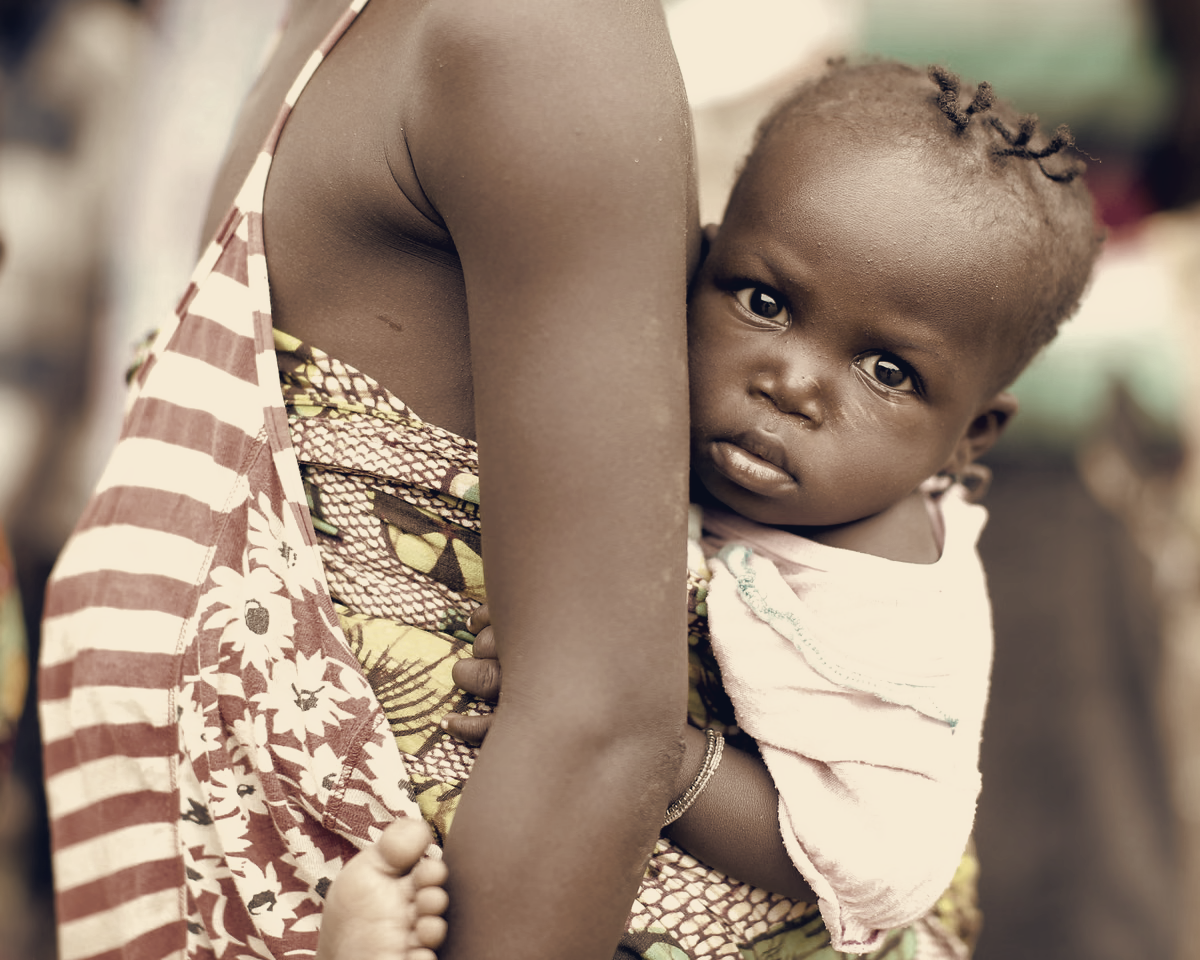
About 45,000 newborns in Sierra Leone require specialised care each year, yet existing services reach only about 31%. Approximately 31,000 small and sick babies remain without access to essential care. Harewood argues the programme is not finished but still far from universal coverage, and that ending support prematurely risks pulling away the scaffolding before local systems can stand alone.
Harewood supports Unicef UK’s No Choice But Childhood campaign and calls on the UK government to ringfence at least 25% of its overseas development spending. He frames the decision as a political choice with immediate human consequences, and says ministers should consider who will bear the cost if funding is withdrawn.