
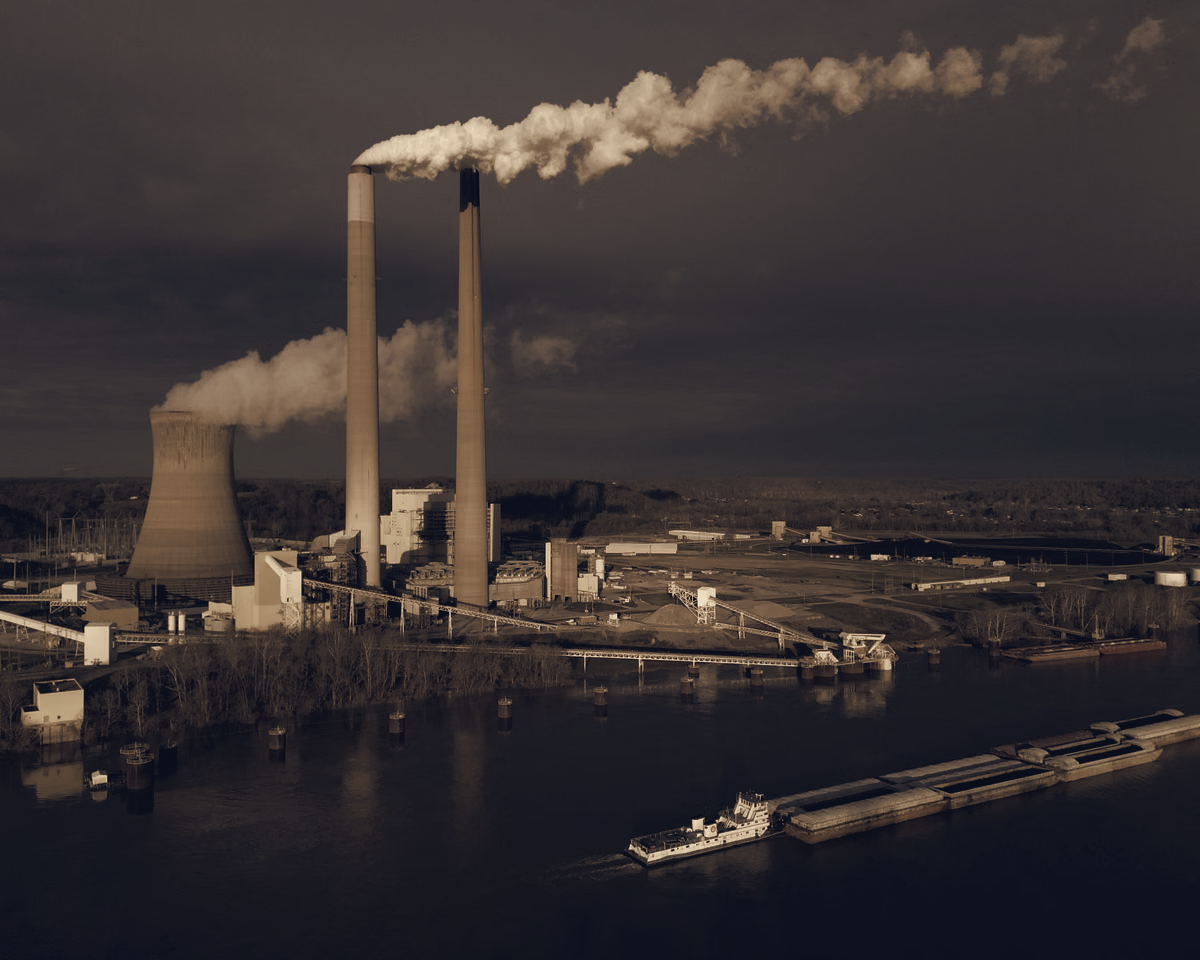
The Environmental Protection Agency has announced it will lift limits on carbon emissions from coal- and gas-burning power plants, a rollback of climate rules put in place under the Obama and Biden administrations. The change tightens the Trump administration’s broader deregulatory trajectory on energy, leaving federal climate safeguards weaker and shifting the regulatory landscape in favor of fossil-fuel producers.
The Story in Pictures
This decision follows earlier moves by the administration to loosen or remove limits on carbon from vehicles and household appliances, and arrives after a 2022 Supreme Court ruling, decided six to three along party lines, that curtailed the EPA’s independent authority to regulate carbon emissions. Regulators and courts have therefore constrained the tools available for federal climate policy even as the agency now undoes prior emissions limits.
Money has played a clear role in shaping the politics around these decisions. Energy companies gave at least $75m to Donald Trump’s campaign in recent years, and oil and gas firms contributed nearly $12m to his 2025 inauguration fund, with at least $25m coming from Energy Transfer Partners and its chief executive. When soliciting contributions during his 2024 campaign, Trump described industry donations as part of a “deal”. These flows of cash have been put forward as motivations for a policy environment more favourable to fossil-fuel interests.
But observers also point to cultural drivers. The Virginia Tech professor Cara Daggett advanced the concept of “Petro-Masculinity: Fossil Fuels and Authoritarian Desire” in 2018, arguing that support for oil and gas can reflect symbolic attachments to a particular, rugged ideal of manliness. That theory holds that if certain forms of energy and their associated lifestyles signal dominance and strength, political leaders may resist transitions that are perceived as effeminate or cosmopolitan.
The policy shift comes amid broader strategic concerns: commentators note that China has already overtaken the United States in solar panel production, underscoring a potential competitive cost to stepping back from clean-energy investment. For now, the immediate consequence is regulatory rollback at home and amplified debate about whether political, financial, and cultural incentives will continue to slow a national shift away from fossil fuels.