Brics leaders left New Delhi without a clear plan to replace the Western-led global order, exposing the limits of the group's ambition and the fissures widened by the Middle East war. India's summit gathered a wide range of leaders, but the outcome was a guarded consensus rather than a strategic roadmap, underscoring how difficult it is for the bloc to turn rhetorical goals into shared policy.
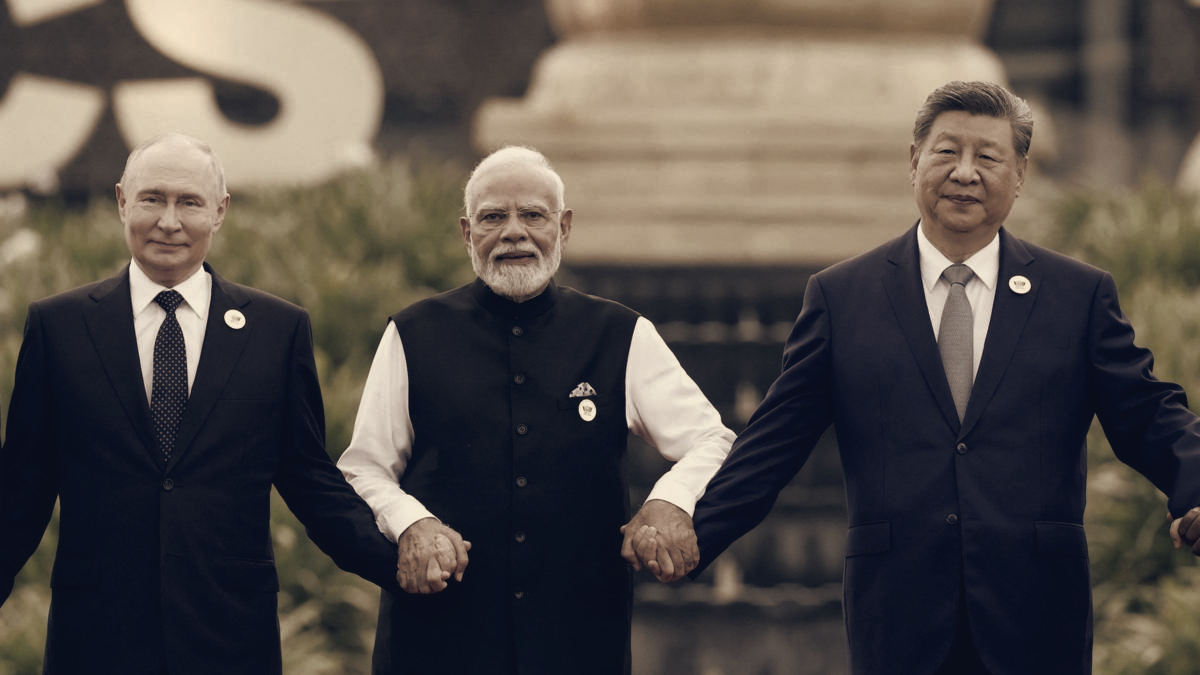
Indian Prime Minister Narendra Modi cast the gathering as an effort to make members "rule-shapers", not "rule-takers". Around the table sat Chinese President Xi Jinping, Russian President Vladimir Putin, Iran's President Masoud Pezeshkian, Abu Dhabi's Crown Prince Sheikh Khaled bin Mohamed bin Zayed Al Nahyan and South African President Cyril Ramaphosa. Their presence highlighted New Delhi's ability to convene major powers and created opportunities for bilateral diplomacy that would have been harder months earlier.
The summit produced a joint New Delhi Declaration, a diplomatic milestone after earlier meetings this year failed to reach agreement, but its language was intentionally cautious. The text urged "maximum restraint", condemned "attacks on civilian infrastructure and peaceful nuclear facilities" and reiterated support for a two-state solution, while assigning no blame for the Middle East fighting. The declaration made no reference to Russia's war in Ukraine, a notable omission compared with past communiqués.
The document also touched on trade and sanctions, flagging concerns about rising tariffs and denouncing unilateral sanctions without naming Washington. Analysts say the broad wording likely reflects competing agendas inside Brics: China, Russia and Iran see the group as a vehicle to blunt US and European influence, while India resists an explicitly anti-Western posture. "There are countries in the grouping which would like it to become anti-western, but it is not that," said Anil Trigunayat, a veteran Indian diplomat and former ambassador.
Observers also noted Delhi's imprint on the careful wording. "Not mentioning any country by name, even as they condemned the conflict in the Middle East, bears the hallmark of India," said Praveen Donthi, senior analyst at the International Crisis Group.
Beyond diplomatic phrasing, the summit opened practical channels. Iran's Pezeshkian and Abu Dhabi's crown prince held talks, the highest-level face-to-face meeting between the two since the war began, and Pezeshkian used the platform to press for deeper economic ties with Brics members such as Malaysia, India and Ethiopia as Tehran confronts sanctions and other pressures. Xi's visit was his first trip to Delhi in seven years and included a cordial handshake with Modi amid lingering mistrust and a large trade deficit in China's favour.
The net effect is a grouping that can gather global power but struggles to convert that convening into unified action. The summit preserved lines of communication and created openings for future coordination, yet it left unresolved the central question leaders set out to answer: what should replace the existing order and how will members build it together.