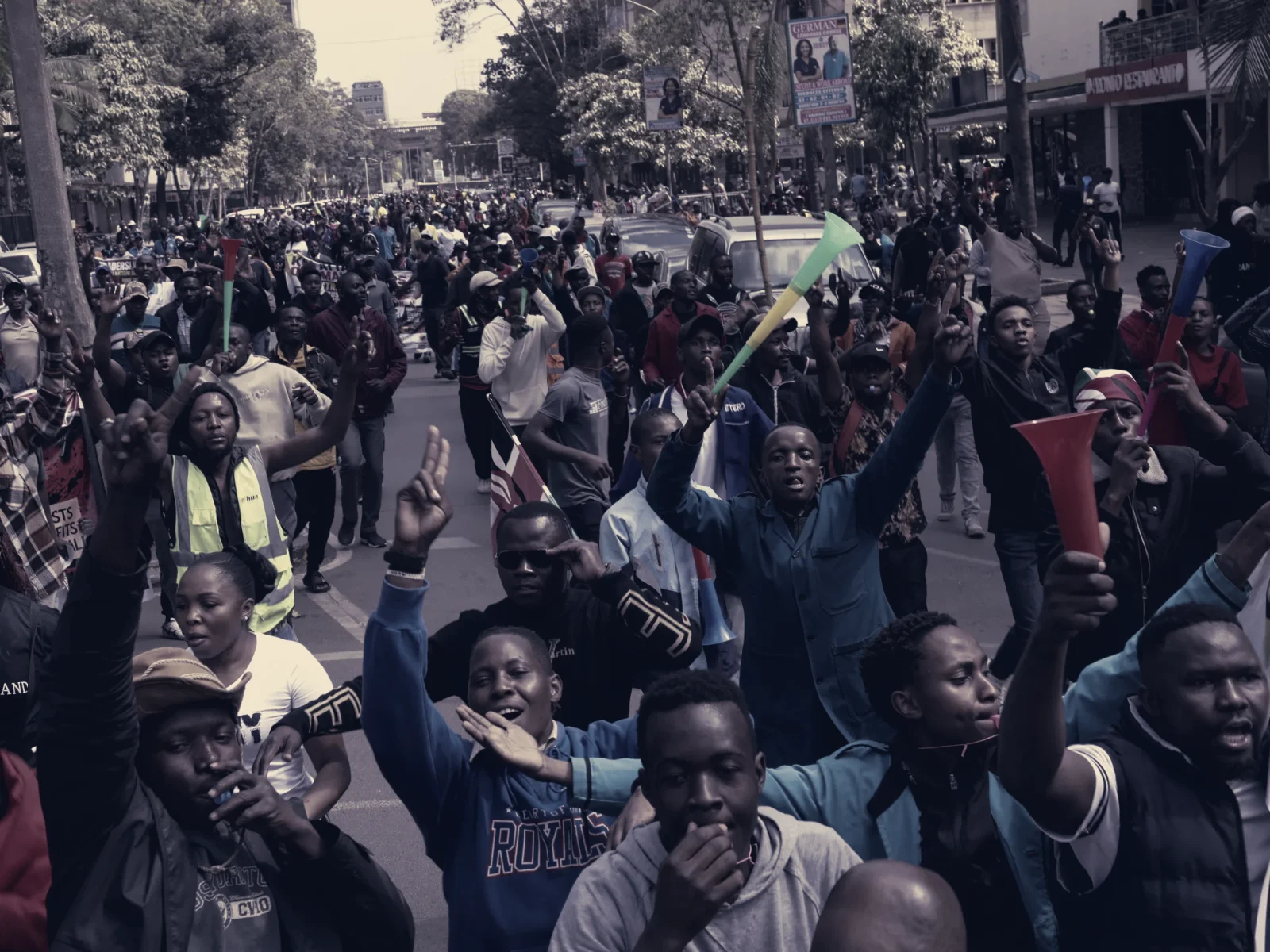

Small businesses stand to lose after police fired tear gas at a demonstration in Nairobi where traders protested an import duty increase they say exceeds $5,000. The confrontation underlines how a single fiscal move can ripple through the city’s informal economy, pushing already thin margins toward breaking point.
Traders at the demonstration framed the duty rise as an existential threat to small retailers, who rely on low-cost imports to compete. They said the added levy will raise stock costs, erode profits and force some shops to close. Those claims point to an immediate impact on livelihoods anchored in Nairobi’s marketplaces.
The police response, using tear gas to disperse crowds, heightens the political stakes of the dispute. Law enforcement intervention can deter street action in the short term, but it also risks inflaming wider resentment among traders and customers who face higher prices. The episode signals a combustible mix of economic strain and public anger.
Beyond the streets, the duty increase threatens supply chains that feed small retailers. Higher import charges tend to cascade into consumer prices, and in a city where many households rely on affordable goods from informal vendors, the effect can be swift. The protesters’ complaints map onto a broader vulnerability in Nairobi’s economy, where informal trade absorbs policy shocks inefficiently.
The confrontation leaves a simple choice for policymakers: amend the duty, offer compensating relief, or prepare for continued unrest. Without a clear response that addresses the traders’ core grievance, the incident could presage further clashes between authorities and business owners already squeezed by rising costs. The coming days will show whether authorities defuse the dispute or allow tensions to escalate.