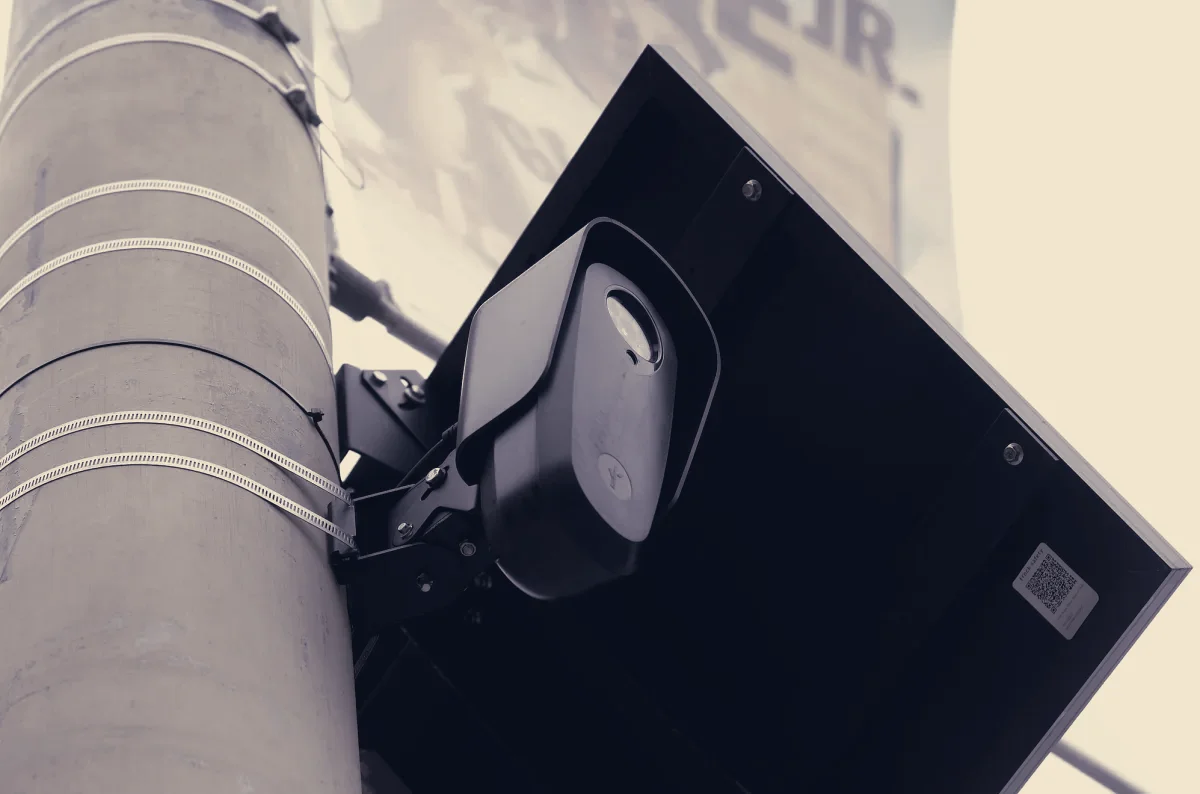

Police stand to lose public trust after a survey found more Americans oppose than support police use of license plate cameras. The result reflects a broader backlash against automated tracking tools, arriving as concerns mount about a wave of police abuses involving surveillance cameras.
The finding signals growing public unease with the expansion of camera-based monitoring by law enforcement. Opposition on this issue is not isolated, it sits within wider questions about how far public agencies should be allowed to collect and retain visual records of ordinary movement. That tension turns routine deployment decisions into political liabilities for departments that lack clear limits or visible safeguards.
The immediate consequence is pressure on municipal leaders and police chiefs to justify current programs, change practices, or pause deployments. Opponents will point to the survey as evidence that constituencies want stricter rules, while defenders must contend with a shrinking social license to operate intrusive systems. Departments that rely on license plate capture as an investigative tool now face harder conversations about when and how that data is gathered, who can access it, and how long it is kept.
Expect the dispute to move into formal policy channels. Lawmakers and regulators already debating surveillance oversight can wield this public sentiment to propose restrictions, transparency requirements, or audit regimes. Courts may also see litigation that tests the limits of police camera use, and vendors that supply these systems could encounter new procurement scrutiny.
What happens next is a contest over governance, not just technology. If opposition persists, police agencies will either have to redesign programs to meet public expectations, accept narrower operational roles for camera systems, or face legislative and judicial constraints. The survey crystallizes a choice for officials: shore up public safeguards or cede ground to demands for tighter controls on surveillance.