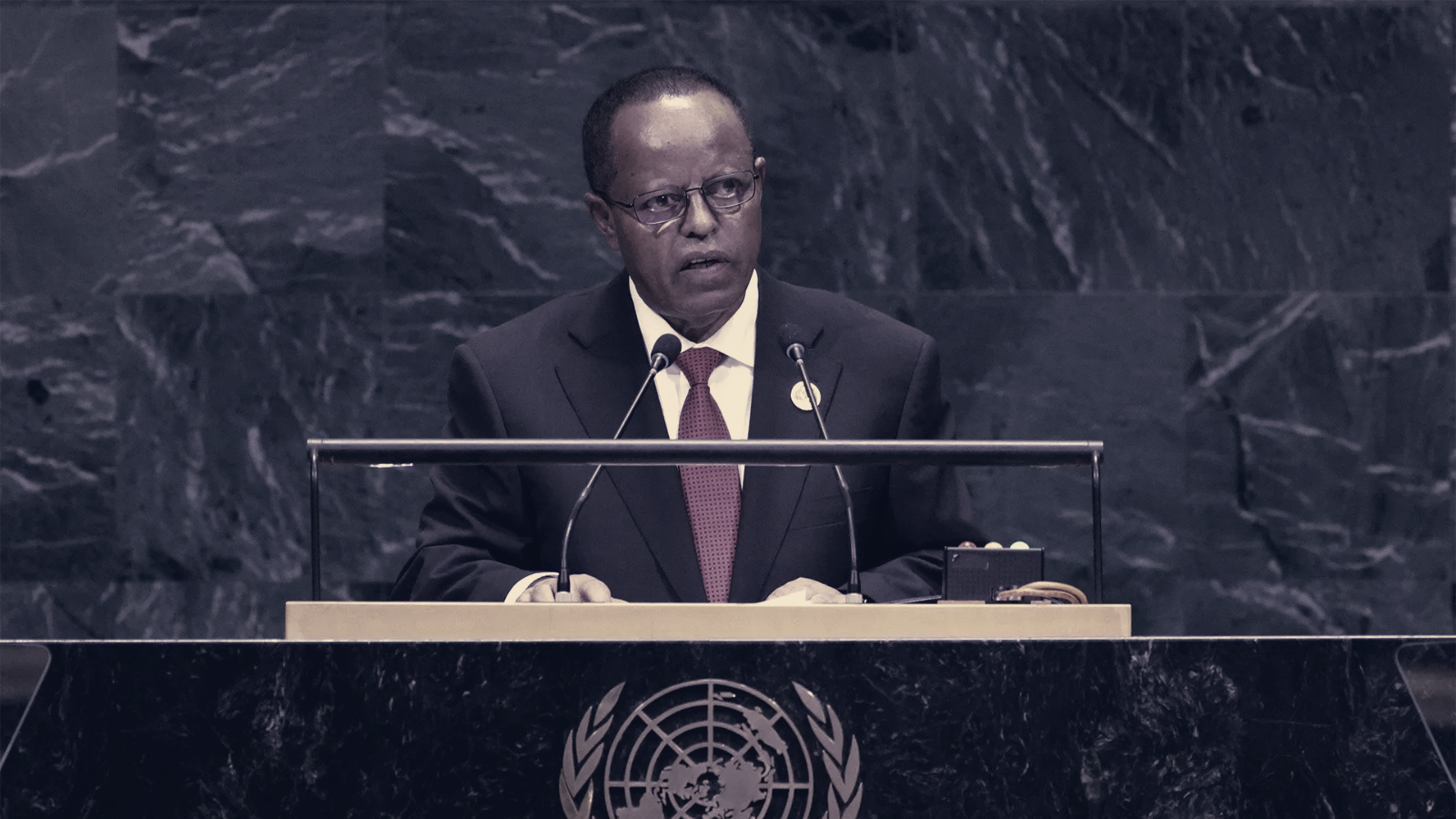
The statement, citing "forces of destruction," links the offensive to a broader danger rather than treating it as an isolated clash. By using that language the president cast the rebels' advance as an existential risk, a rhetorical shift that typically precedes stronger security measures and a centralised response.
Details about the scale, location or immediate impact of the offensive were not provided in the material available. What is clear from the president's warning is that the federal authorities view the operation as consequential enough to warrant public denunciation and a heightened sense of urgency.
That framing carries practical implications. Governments confronted with offensives described in existential terms often expand military operations, tighten internal security and prioritise political messaging aimed at consolidating public support. Those moves can alter the immediate risk environment for civilians and local institutions, increasing the chance of displacement, disruption to services and constrained humanitarian access.
The president's characterization also raises pressure on regional and international actors that follow developments in Ethiopia and the Horn of Africa. Where national leadership portrays fighting as a systemic threat, outside governments and organisations may face calls to engage diplomatically, whether to de-escalate, mediate or shore up support for one side.
How Ethiopian authorities plan to respond, and how the rebels will press their offensive, remain open questions. The president's warning establishes the stakes, and the coming days will determine whether rhetoric is matched by military moves, negotiated containment, or a further escalation of violence.