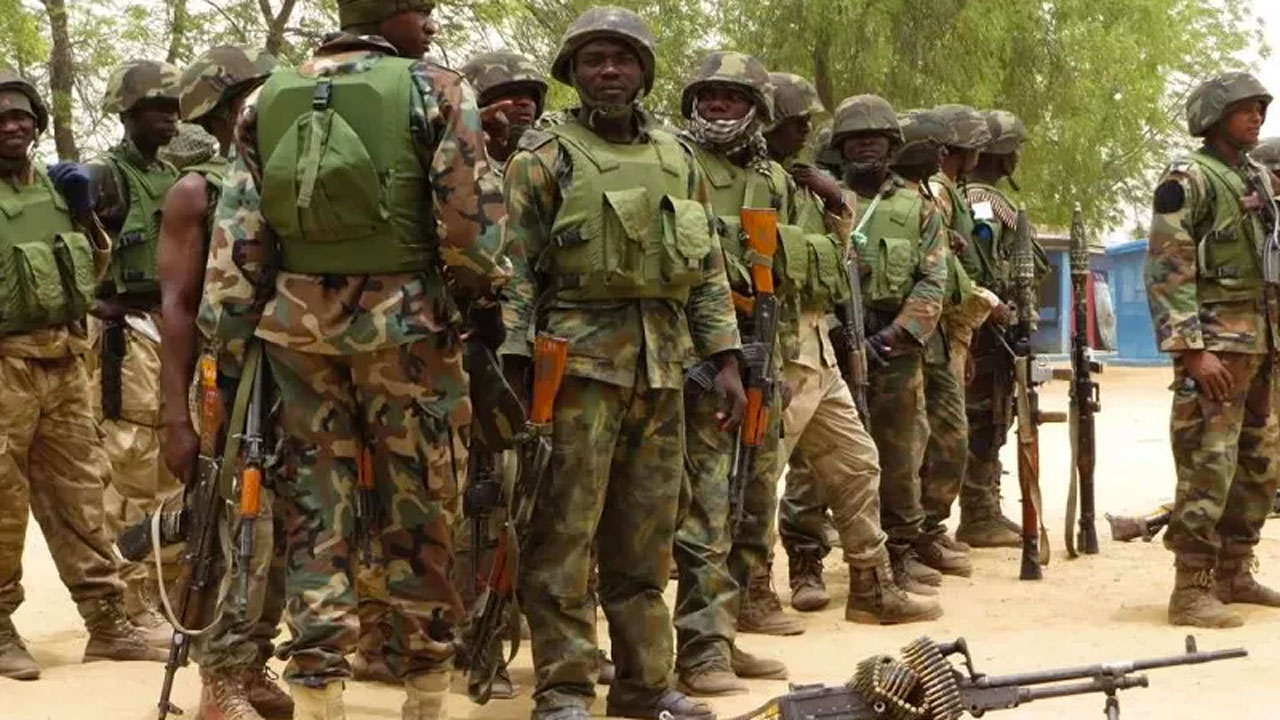
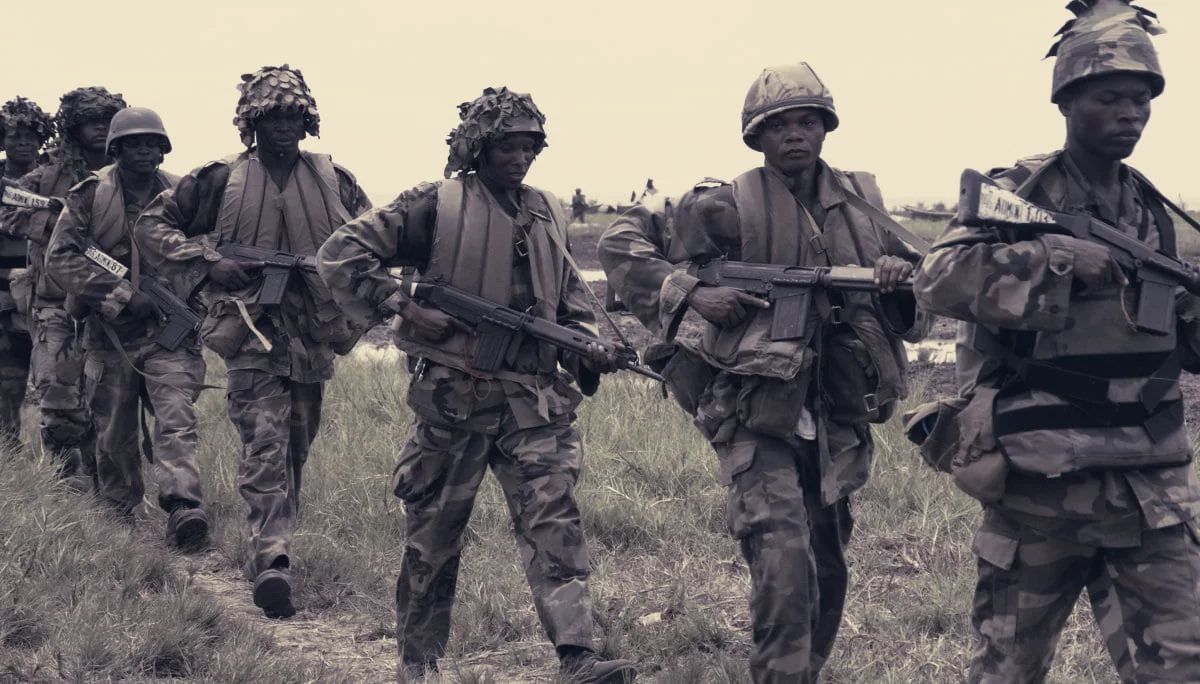
Residents of Barkin Ladi experienced a temporary easing of immediate danger after military forces repelled a suspected reprisal attack that followed the killing of a local resident in the area. The intervention stopped the reported assault before it could escalate inside the local government area in Plateau State.
Accounts of the incident identify the assailants as suspected Fulani militias. The attack is described as a reprisal connected to the earlier killing of a person from the community; some accounts refer to the victim as a pastor, while others use the broader term local resident. That discrepancy underlines how quickly details can diverge in the aftermath of communal incidents.
The troops’ response interrupted the violent exchange and reduced the immediate risk to people in the neighbourhood. By repelling the attackers, security forces prevented further movement of the alleged assailants into populated areas, at least for the duration of the engagement. The episode reinforces the role of the military as the immediate line of defence when clashes flare at the local level.
At the same time, the sequence — a killing followed by a suspected reprisal attack — illustrates the fragility of communal calm in Barkin Ladi. The identification of suspected Fulani militias as the attackers places the incident within the pattern of ethnically framed tensions that have surfaced across parts of Plateau State. The killing that triggered the reprisal raises the prospect of additional responses unless investigations and local security measures address the root causes and hold perpetrators to account.
What happens next will depend on whether follow-up investigations clarify the facts of the killing and the attack, and on the presence of continued security patrols. For now, troops have halted a single wave of violence; the wider risk to the community will hinge on responses from security actors and local leaders in the coming days.