
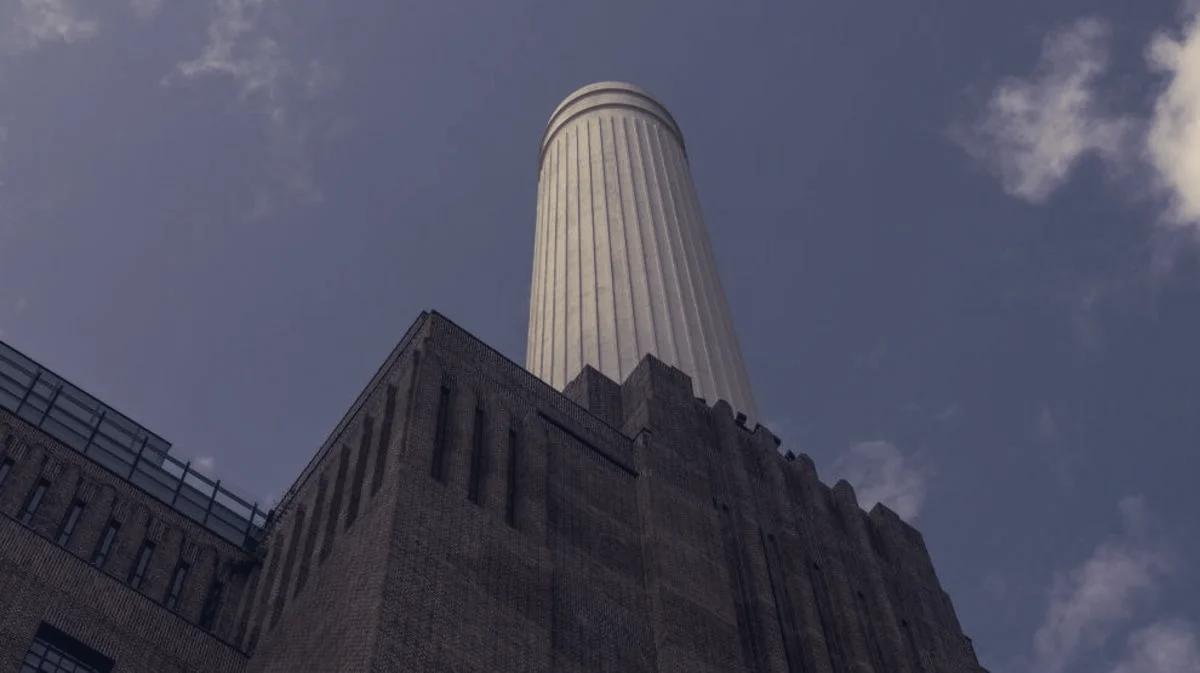
The space, called Apple Music Hall, sits under Apple’s European headquarters and is due to open in the coming weeks. Apple Music will host major acts and emerging bands, filming performances and streaming them online from the venue.
Apple Music’s vice president Oliver Schusser said the facility contains "more cameras and speakers than any venue of its size, anywhere in the world" and stressed the company does not intend to become a rival to independent promoters. "We’re not trying to be in the live business. We’re not trying to compete with anyone," he said, adding the site is being run as a venue with ticketed shows so artists can connect with fans and the content can be broadcast on Apple Music.
Cultural ministers welcomed the move. Lisa Nandy called the project "a huge vote of confidence in the UK as a global creative powerhouse" and "a signal of just how strong our creative sectors really are." Details of the opening act are expected to be announced soon.
The venue’s interior references the Art Deco lines of the former power station, with fluted vaults and brick-lined walls chosen to minimise unwanted reflections. A 38-foot stage can be set up "in the round" or front-facing, dressing rooms include en-suite showers and the building has been outfitted with studios for Apple Music’s radio stations, which will relocate from King’s Cross.
Apple has also created rooms for DJ mixes, writing sessions and rehearsals, and wired the whole site for audio and video so an artist can record a podcast, appear on radio and livestream a concert on the same day.
The company says bespoke filmed events will help distinguish Apple Music from rivals such as Spotify and Amazon Music. The move follows public comments by Jimmy Iovine that streaming services risk becoming disconnected from listeners, and his warning that they were "minutes away from being obsolete" because they do not foster direct artist-fan engagement. Iovine added, "It’s one dimensional. It’s an ATM machine," and argued artists want to communicate with fans in more direct ways.
Schusser echoed that argument, saying streaming too often leaves artists with little to do beyond delivering recordings, and that creating new, engaging content is one way to help ensure future generations of catalogue music. The launch arrives as London’s live sector continues to contract, after 45 venues closed in the capital last year and about 400 clubs shut across Britain between 2020 and 2025.
For now, the immediate outcome is a high-profile broadcast stage in central London and a new funnel for Apple Music content; the longer-term effect on independent venues and the local live ecosystem remains to be seen.