
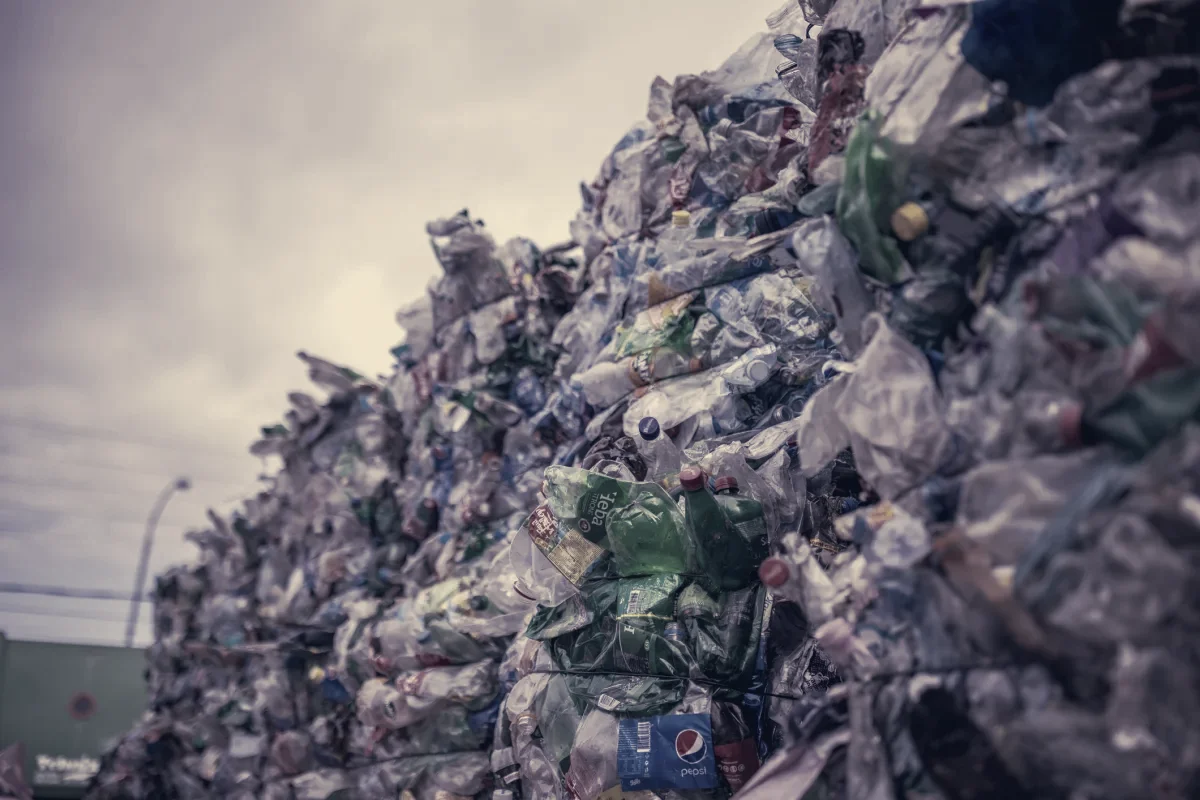
MacroCycle gains funding that should accelerate construction of its first commercial recycling plant, shifting a nascent low-carbon plastics supply chain closer to scale. The Cambridge, Massachusetts startup, three years old, will sell rights to the avoided emissions its process generates, creating a revenue stream Meta will use to count reduced emissions against its corporate footprint.
A Meta spokesperson confirmed this is the company’s first deal of this type. The social network’s interest goes beyond buying credits, the partnership seeks to help build a market for low-carbon plastics that Meta uses in packaging and hardware, which the company says will ease access to lower-emission materials as its energy needs expand because of AI development.
MacroCycle’s technology dissolves and purifies PET from mixed waste streams, including textiles, then reconstructs the polymers into high-quality material. The company says that material is indistinguishable from new PET and that its process produces 80% fewer carbon emissions than virgin PET. Demonstration output is planned at 5,000 metric tons per year, and the firm has modelled future plants capable of 50,000 metric tons annually.
The startup relies on solvents to remove contaminants rather than high-temperature processing, a choice it says reduces energy demand and should cut costs. That energy efficiency supports MacroCycle’s aim to make domestically produced recycled textiles cost-competitive with overseas suppliers. The U.S. textile sector has contracted sharply over the past quarter-century, with employment down 85% during that period.
Payments for environmental attribute credits will supply near-term income that MacroCycle hopes will underwrite construction and make commercial agreements with buyers easier to close. Stewart Peña Feliz, MacroCycle’s co-founder and CEO, said the Meta deal should simplify securing future customers. The company is actively lining up buyers for the first plant’s output.
What comes next is commercialisation. MacroCycle must convert the revenue into a built plant, finalise purchase agreements, and prove its process at scale. For Meta, the deal is a bet that buying avoided-emissions credits can help expand a market for low-carbon feedstocks it will need as its operational emissions rise.