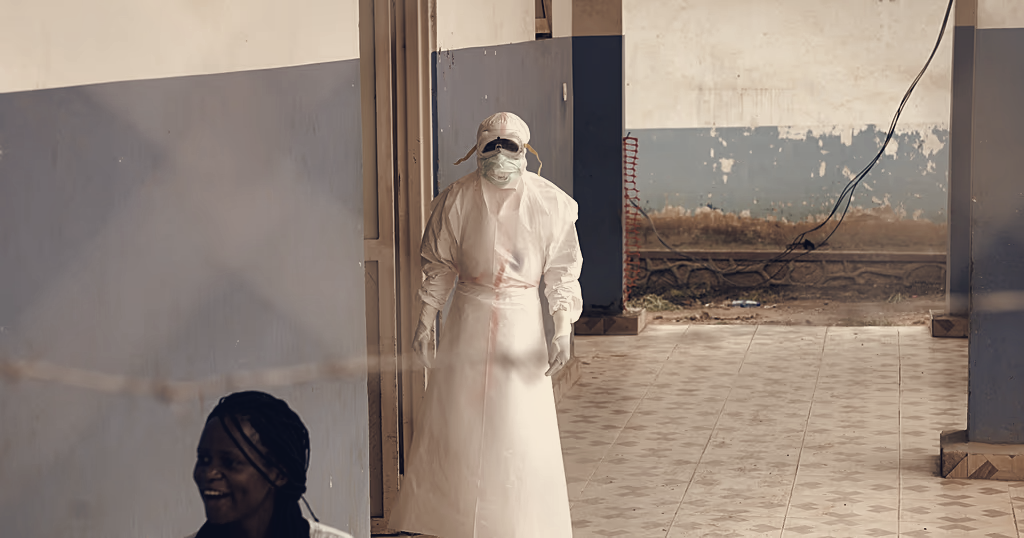

Treatment capacity in Ituri will increase after the World Health Organization is coordinating and funding a 42-bed extension of the Lita Ebola treatment centre, a move intended to improve hygiene facilities and raise patient throughput as the Democratic Republic of Congo confronts a mounting death toll.
The Congolese National Institute of Public Health has recorded 3,007 deaths and 6,186 infections in the outbreak so far, a crisis with a reported fatality rate of 48.6 percent. Authorities say 1,409 people have recovered. International and national health agencies describe the epidemic as the deadliest Ebola event the country has faced, exceeding the 2018-2020 outbreak that left nearly 2,300 people dead from about 3,500 reported cases.
The current wave began in remote areas of northeastern DRC and is driven by the Bundibugyo strain of the virus, for which there is no approved vaccine or specific treatment. The virus has now reached six provinces and is spreading in territories where state presence is weak and insecurity is common because of armed groups. Those conditions have strained the health response and heightened mistrust in parts of affected communities.
WHO has recommended launching a phase three clinical trial using the Ervebo vaccine, which was developed against the Zaire strain. Experts remain uncertain whether Ervebo will protect people from the Bundibugyo strain, though early data indicate it might confer some degree of protection. A shipment of 16,250 doses destined for frontline medical staff arrived at the end of last month, and vaccination operations began in Kisangani, the capital of Tshopo province.
Alongside the Lita centre expansion, health responders report that several treatments and vaccine candidates are being tested against Bundibugyo. However, responders also warn that scarce resources, insecure working conditions and community scepticism are undermining efforts to isolate cases, perform safe burials and reach contacts for treatment or vaccination.
WHO’s coordination of the Lita facility upgrade aims to relieve immediate pressure on local hospitals and increase capacity to care for patients. The expansion will not by itself resolve gaps in security, funding or community trust, and health officials say trials of vaccines and therapeutic candidates will determine whether existing tools can be effective against this strain. For now, the response remains focused on scaling treatment capacity and protecting frontline workers while trials and targeted vaccinations continue.