
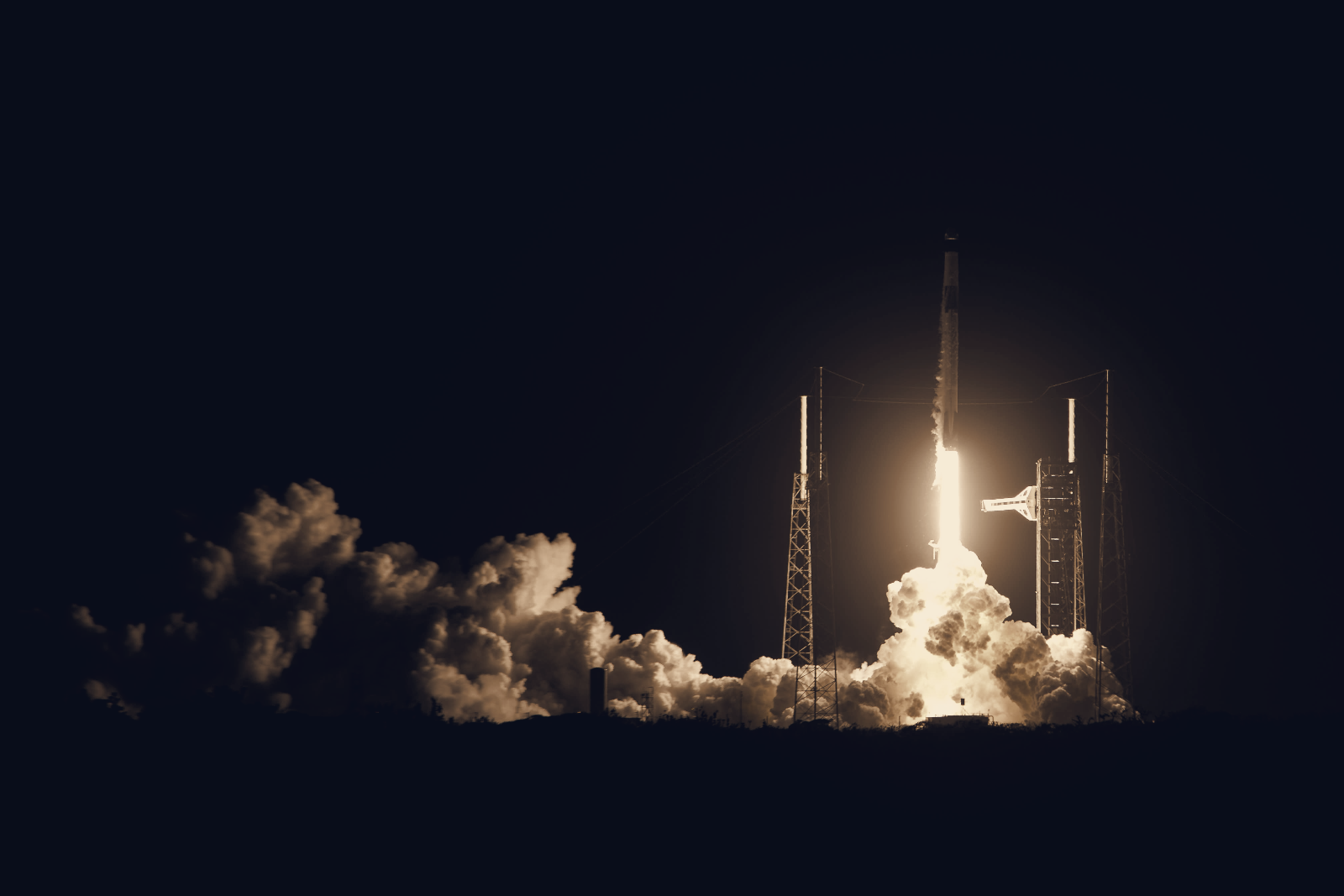
The $950 million award extends a standing agreement between the agency and the company, clearing the way for three more crewed Dragon missions to the International Space Station. The change secures near-term work and revenue for SpaceX while ensuring continued crew transport capacity for the orbiting laboratory.
The modification does not create a new procurement, it adds funding to the existing contract to cover the additional flights. For SpaceX, the extension translates into a confirmed slate of missions to plan and execute. For NASA, it keeps a set number of crew flights on the books under the agency’s current contracting framework.
The practical consequences are straightforward. SpaceX will be responsible for carrying out the three additional crewed missions under the amended terms, and NASA will rely on those flights to move personnel to and from the station. Both organisations will need to align schedules, technical preparations and budgets to accommodate the expanded tasking.
Because this is an extension rather than a new award, the change signals continuity rather than a shift in supplier selection. The contract addition reinforces SpaceX’s role as a provider of crewed orbital transport under the existing relationship with the agency. It also commits an extra $950 million of public funds to those services, which will affect agency spending priorities in the near term.
What happens next is administrative and operational: the amendment must be finalised and the parties will move into mission planning and execution phases for the three flights. The award leaves the headline facts intact — $950 million added to an existing contract, and three additional crewed Dragon missions to the International Space Station — while shifting immediate responsibilities and budget allocations toward delivering those flights.