
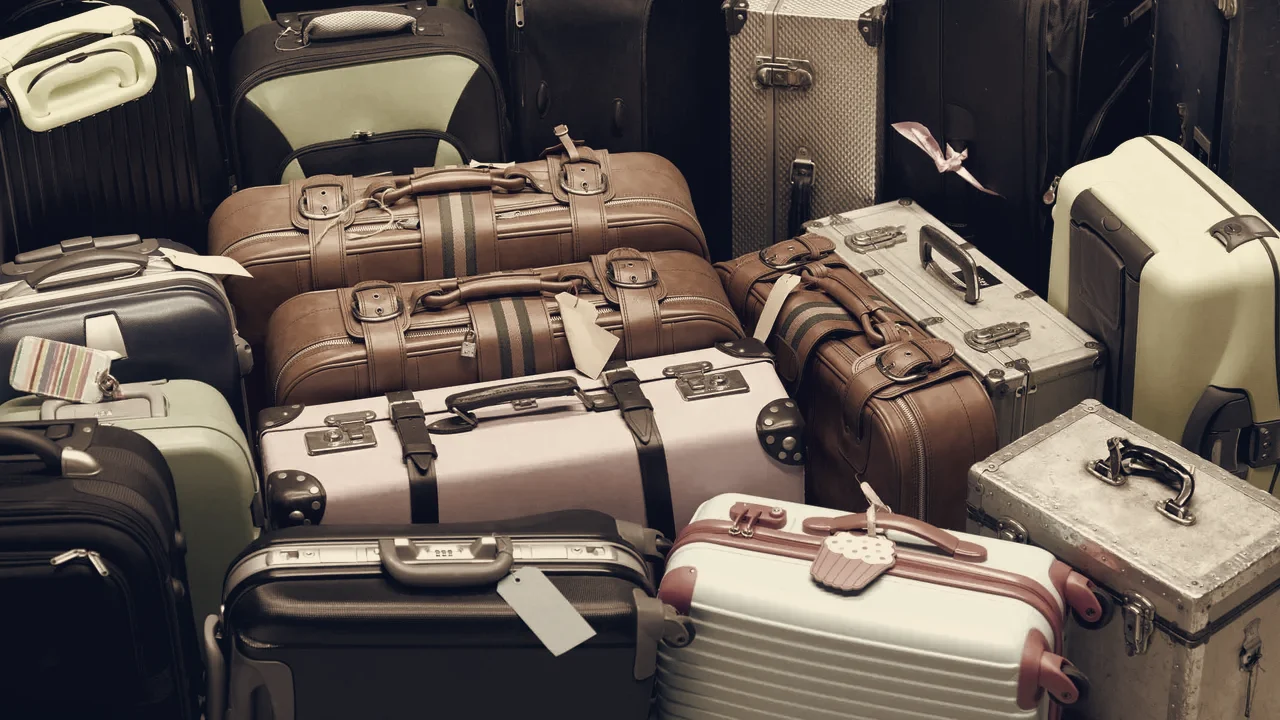
Passengers face widespread baggage disruption: US airlines mishandled 1,120,760 checked bags in the first six months of 2026, the Department of Transportation reports. That total includes luggage lost, delayed, damaged, or stolen and comes as most carriers have increased first‑bag fees to an average of $45 on domestic and short‑haul international routes.
The Story in Pictures
The DOT’s figures translate to roughly 0.5 mishandled bags for every 100 checked. That rate is broadly in line with the same period in 2025, when mishandled baggage averaged 0.52 per 100 enplaned, indicating no meaningful improvement despite higher fees and continued industry attention on passenger experience.
The DOT compares the 13 largest US carriers. For January through June 2026 American Airlines recorded the highest mishandling rate, 0.73 bags per 100 enplaned, followed closely by its regional unit Envoy Air at 0.72. United Airlines posted 0.66, Skywest 0.55, Republic Airways 0.53, Alaska Airlines and Hawaiian Airlines each 0.53, Frontier 0.51, Spirit 0.47, PSA Airlines 0.44, Delta Air Lines 0.38, Southwest Airlines 0.32, JetBlue Airways 0.31, and Allegiant Air the lowest at 0.12.
For travelers this data clarifies where baggage problems are concentrated and where they are comparatively rare. Many fliers now turn to tracking devices, such as Apple AirTags, to follow their checked luggage through each stage of travel. Several airlines incorporate AirTag location information into their baggage tracking systems and allow customers to share that data with airline customer service via mobile apps.
The DOT continues to publish monthly air travel consumer reports that let passengers compare carriers on baggage performance. For now, the mid‑year data confirms two practical takeaways: mishandled baggage remains a routine industry problem despite higher fees, and carrier choice and personal tracking measures are the clearest levers travelers have to reduce risk.