
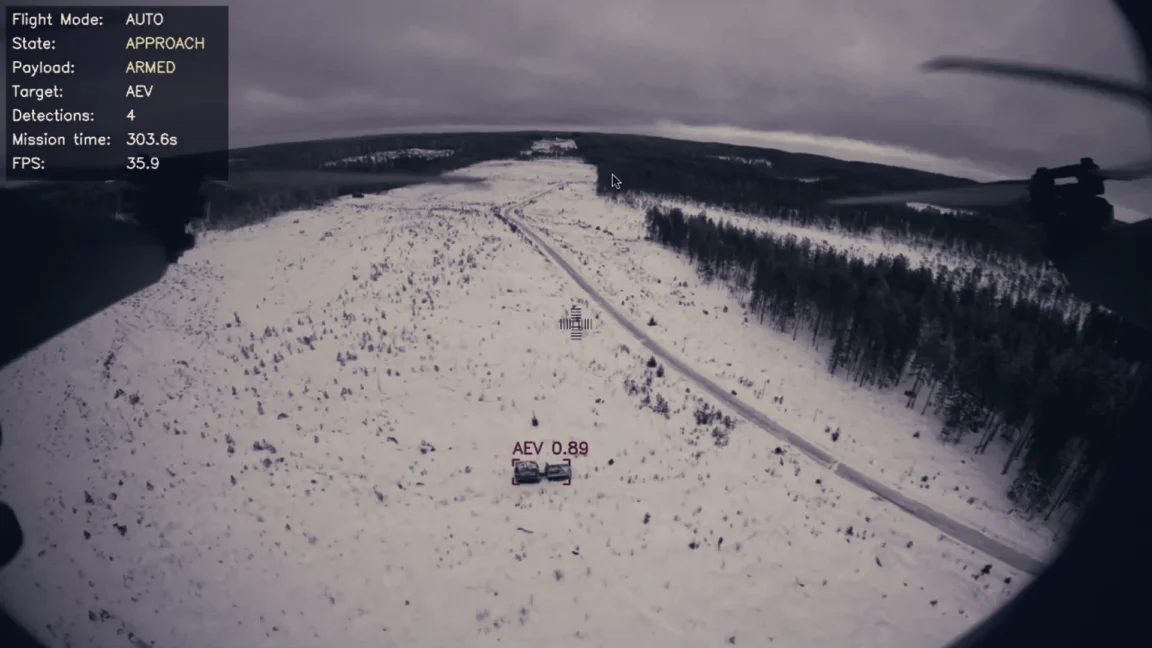
Armed forces now face a practical pathway to place learning-capable AI onto the hardware that operates at the front line. Scaleout, a startup backed by NATO, is adapting artificial intelligence so that learning systems are deployed directly to military bases and onto drones, with the intent that those platforms support autonomous reconnaissance and attack missions.
The technical shift is away from wholly centralised model development toward distributed, on-site training and inference. By moving AI-driven learning onto bases and airborne platforms, Scaleout’s approach changes the locus of where models evolve and where tactical decisions informed by those models are made. That matters because it alters the relationship between remote operators, command structures and the machines they employ.
Operational benefits are implied in the move: platforms that host their own learning systems can respond to local conditions without relying on continuous links to a central server. At the same time, embedding adaptable AI into weapons and sensors raises urgent questions about oversight and accountability. The project’s focus on both reconnaissance and attack missions specifically brings rules of engagement and command authority into sharper relief.
Those governance questions extend beyond military doctrine into certification and safety. Regulators, procurement officials and defence contractors will need to establish testing standards, verification processes and clear chains of command if such systems are scaled. For NATO members and partners, the combination of alliance backing and on-platform learning shifts the policy debate from whether to explore AI in defence, to how tightly it must be controlled.
Technical details, deployment timelines and the scope of live operations remain to be disclosed. What follows next are decisions by military planners and policymakers about oversight, the limits of autonomy and the safeguards required before distributed, learning-capable systems are widely fielded.