UK inflation climbed to 3.1% in August, boosting scrutiny of the Bank of England ahead of its monetary policy update on Thursday. The Office for National Statistics put the rise largely down to sharply higher motor fuel costs, and the reading marks the first time annual inflation has topped 3% since March.
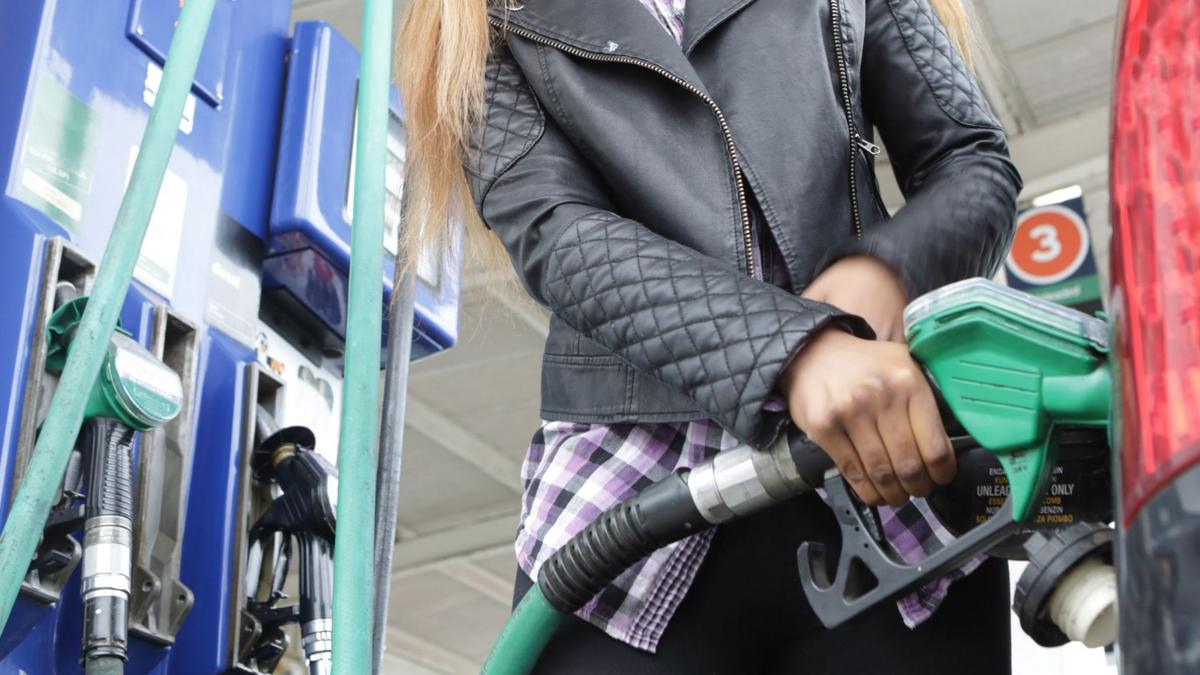
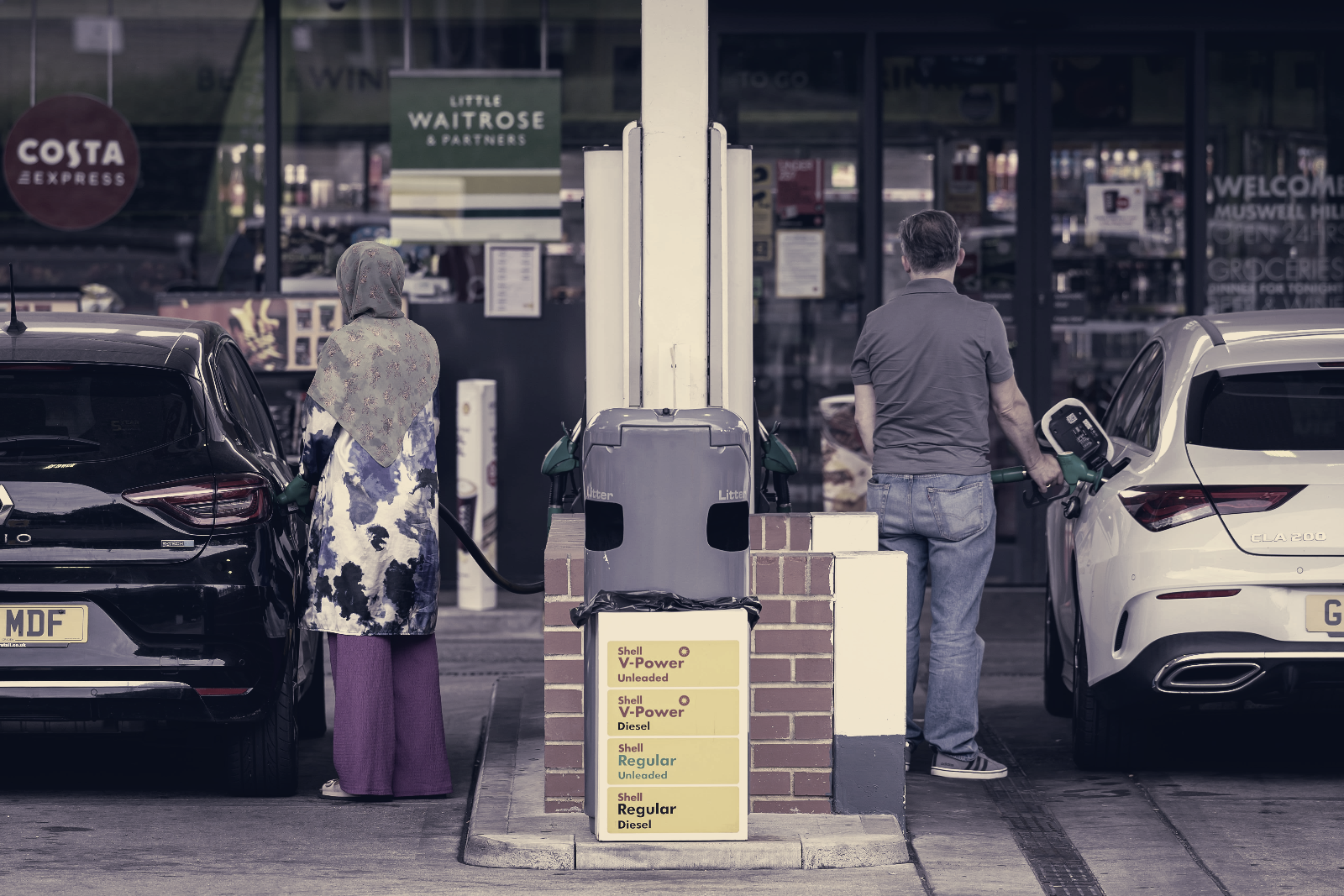
Motor fuels were the dominant driver, with motor fuel inflation up 23% year-on-year. The ONS said the average price of gasoline rose by 9.1 pence, $0.12, per litre between July and August, taking gasoline to its highest average level since November 2022. Average diesel prices rose by 14.2 pence per litre in August. Household energy costs also moved higher, with electricity, gas and other household fuels up 6% year-on-year.
Crude oil trading above $100 a barrel is contributing to the move, and the RAC said petrol and diesel prices have reached levels not seen in four years since the Iran war began. The UK, which imports more energy than it exports, remains exposed to external supply shocks that feed through to pump prices and household bills.
Markets reacted by easing gilt yields across the curve after the inflation print. The 30-year gilt yield was nearly 2 basis points lower at 5.907%, while the benchmark 10-year gilt yield was about 3 basis points lower at 5.365%. The pound was flat against the US dollar and the euro. LSEG data show markets are pricing in more than an 80% chance the Bank of England will hold its key rate at 3.75% on Thursday, though a hike is expected by many traders at the November meeting.
Economists and strategists cautioned that the current spike looks concentrated in energy rather than broadening across the economy. James Smith, developed markets economist at ING, said, "there was nothing in the latest UK inflation numbers that screams a need to hike interest rates." He added there was "very little sign" that energy costs were spreading into other categories, pointing to subdued food inflation and lower inflation in energy-intensive goods and services.
But forecasters warned of second-round effects. Bogdan Toma, a partner at McKinsey & Company, said gasoline at near four-year highs could produce "an uncertain 'golden quarter' for consumers and retailers," with households juggling back-to-school costs and the potential for higher rates. Scott Gardner, an investment strategist at J.P. Morgan Personal Investing, said the print was "unlikely to convince the Bank of England to hike interest rates just yet," while noting renewed cost pressures in manufacturing and services could alter the outlook if businesses pass on higher costs. The Bank of England's decision on Thursday and the trajectory of energy prices will determine whether the fuel-driven spike remains isolated or becomes a broader inflation problem.