
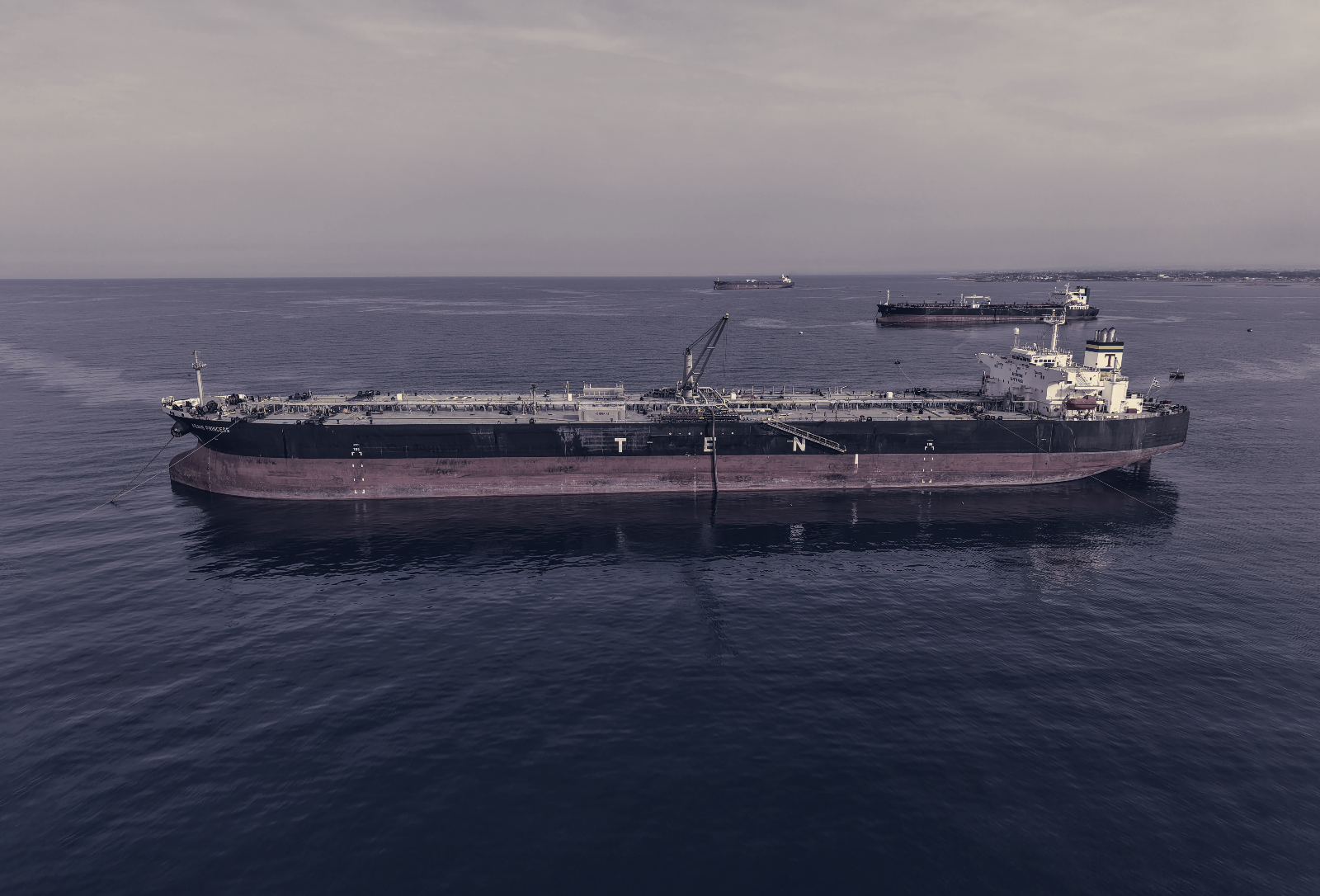
Oil lost momentum on Monday as evidence that crude shipments from the Middle East remain sturdier than some traders expected kept a ceiling on price gains, even amid regional tensions. Brent for November delivery fell 1.66% to $102.15 a barrel, while U.S. West Texas Intermediate for October declined 1.83% to $98.46 a barrel.
Analysts at JPMorgan emphasised the resilience of flows, saying shipments were "surprisingly strong" and that total volumes averaged 17.1 million barrels per day over the past 10 days. The bank noted that this still represented a drop of 6.1 million barrels per day from the 2025 average, but the recent level of exports appears to have been higher than some market participants had feared.
The steadier flows come after Iran-backed Houthi forces launched missiles and drones targeting Saudi Arabia on Saturday, an episode that had the potential to tighten global supply. Traders said the immediate market reaction was muted because the physical volumes moving from the Gulf have not collapsed.
Political rhetoric kept risk prices alive. U.S. President Donald Trump told Fox News he is in a "deciding mode" and that "very big things" are likely to happen soon regarding the US-Iran situation. He added, "My question is, if and when do I blow the entire nation up? They better behave." Market participants said such statements keep the geopolitical premium present, even if flows so far have limited its impact on benchmarks.
Market watchers said the next moves will depend on how quickly Saudi export activity returns to normal and whether the security situation for shipping deteriorates. Daniel Takieddine, co-founder and CEO of Sky Links Capital Group, said he expects oil to track developments in exports and talks, and warned, "Any setback or renewed deterioration in shipping conditions would tighten the physical market and restore upward pressure on prices."
Traders will now watch near-term Saudi export volumes and any changes in the security environment for Gulf shipping lanes. If flows hold near recent levels they may continue to cap upside for Brent and WTI; if shipments fall again or conflict escalates, prices would likely come under fresh upward pressure.