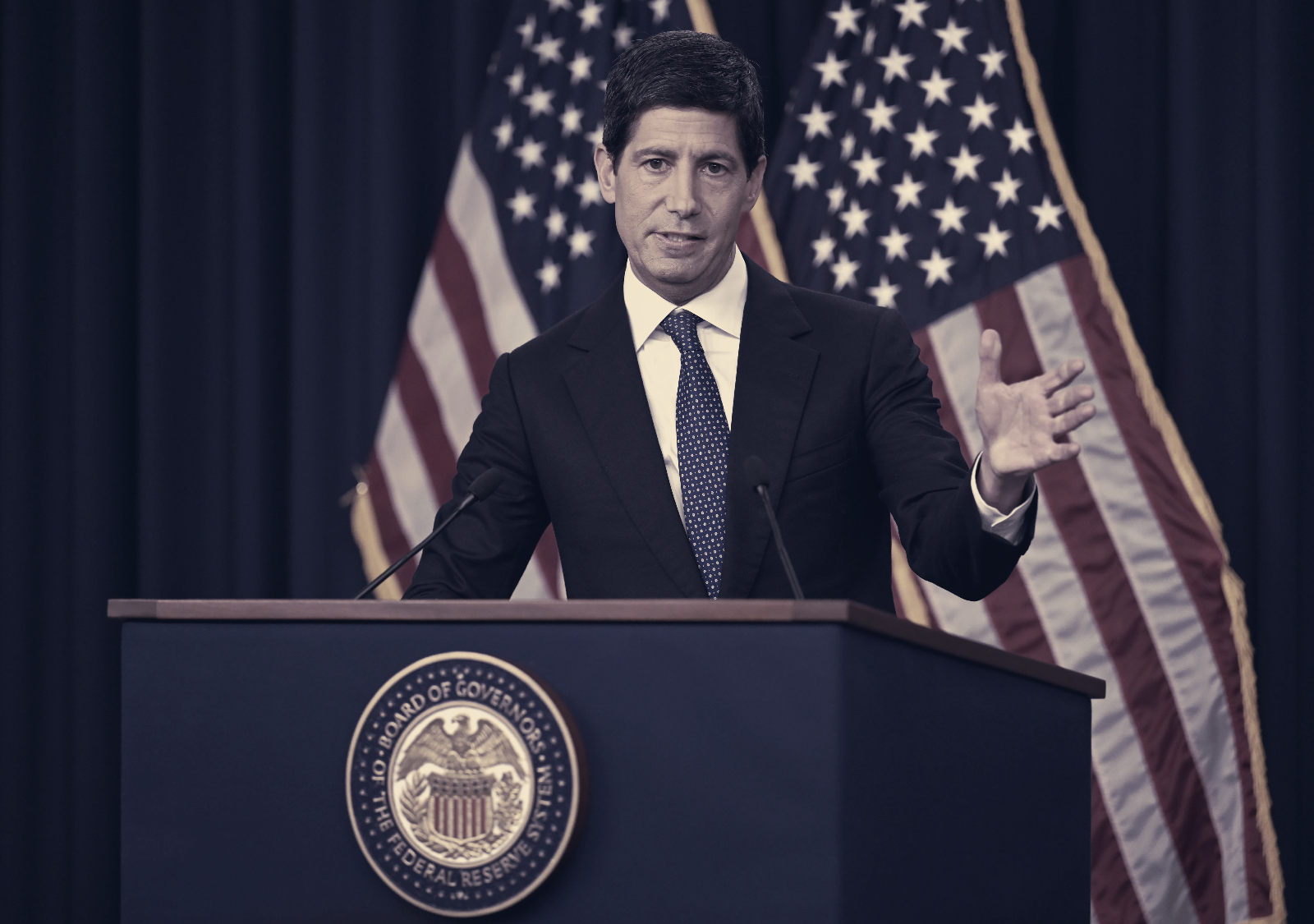
Markets must price the possibility of higher interest rates as Chairman Kevin Warsh reshapes how the Federal Reserve sets and explains policy, while facing limits from colleagues and the economy. One hundred twenty-seven days into his tenure, Warsh has moved quickly on visible changes he controls, but larger shifts remain constrained by persistent inflation and internal resistance.
Warsh has altered how the Fed communicates, shortening the post-meeting news conference and reorganising reporter seating alphabetically by news organisation, changes that on their face look cosmetic but accompany a deeper shift in the chairman’s stated policy framework. He has not yet trimmed the Fed’s balance sheet, a key objective, citing the more pressing inflation picture. To reconsider internal practices, he appointed five task forces to examine Fed operations, with reports expected early next year.
Last week’s unanimous quarter-point interest rate increase, the first since 2023, highlighted Warsh’s early tenure and helped address critics who questioned his independence. For a chairman who says he takes signals from markets, market pricing is consequential: the probability of a follow-on hike in October sits at 70%, and traders are pricing as many as two more increases between now and March.
Warsh has framed those signals through a broader menu of market indicators. He repeated the term "financial conditions" multiple times in his Jackson Hole speech and at his most recent news conference, arguing those measures should inform the Fed’s near-term outlook on activity and inflation. He listed specific indicators to watch, including asset prices across sectors, trading volumes of Treasury securities, the dollar’s exchange value, the cost and availability of credit, and commodity prices. Taken together, he concluded that credit and loan markets show "few signs of policy restraint." That assessment, paired with a stock market that remains buoyant and a robust labour market, opens scope for further tightening if inflation proves persistent.
Inflation, measured by the Fed’s preferred personal consumption expenditures indicator, ran at 3.7% in July, and has remained above the Fed’s 2% target for more than five and a half years. Market moves underline that signal: the 2-year Treasury yield traded nearly a full percentage point above the effective federal funds rate recently, the largest spread since 2023, a sign traders expect more rate increases. Critics worry Warsh’s shift away from traditional talk of a neutral funds rate undermines clarity; economist Claudia Sahm asked how the Fed will judge "whether to hike again, and when to stop."
What follows is a test of Warsh’s emerging regime. The task force reports early next year and near-term inflation readings will be pivotal, while market-implied probabilities suggest investors expect additional Fed action before March.