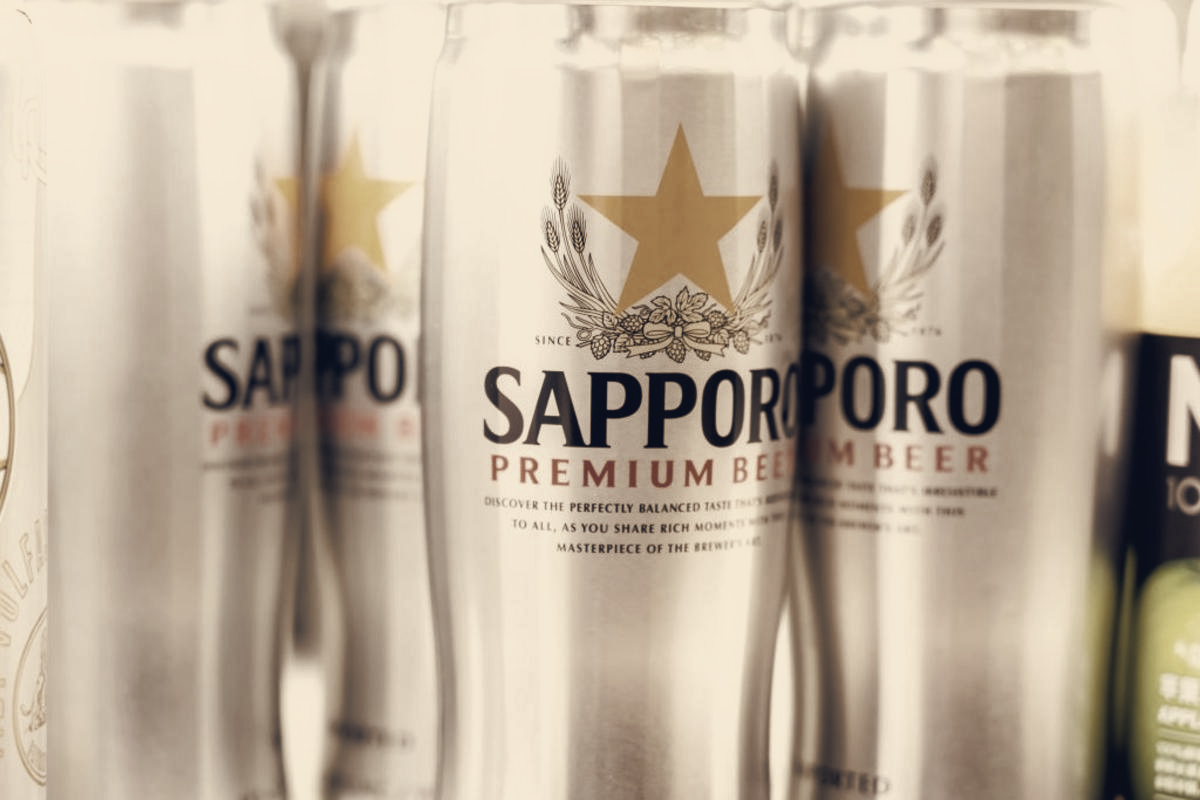

Sapporo will shift production of its non-alcoholic beer from Canada to the United States by the first half of 2027, a direct response to a newly imposed 50% tariff on beer imported from Canada. The change aims to remove the cross-border cost hit for product sold in the US and will have direct operational consequences for Sapporo’s Canadian arm, Sleeman Breweries.
Chief strategy officer Rieko Shofu described the tariffs as "something out of our control," and told Bloomberg the company would "move ahead with local production." Sapporo said it was weighing how best to add US capacity, including building a new brewery, acquiring an existing facility, or contracting with a third-party manufacturer on the US West Coast.
The United States is one of Sapporo’s most important overseas markets, and the company has been expanding its presence there for years. Sapporo regards its flagship brand as the country’s best-selling Asian beer brand. The shift of non-alcoholic production southwards is a tactical move to preserve margins and maintain competitive pricing for American consumers faced with higher import costs.
The decision comes amid a broader rise in trade barriers. In July, the US introduced new tariffs covering dozens of trading partners, including Canada, a move that has prompted several companies to reassess cross-border supply chains and the cost of serving overseas markets. Sapporo’s response illustrates how steep tariffs can push manufacturers to relocate production rather than absorb or pass on higher costs.
Sapporo is also pursuing a longer-term international expansion plan. The company plans to invest up to ¥400bn ($2.6bn) by 2030. Around 30% of the capital is earmarked for overseas markets. It has recently broadened its regional reach through partnerships, including an agreement announced in July with Carlsberg to expand in Southeast Asia.
Sapporo did not immediately respond to a request for comment. For now, the immediate next steps are internal: finalising where additional US capacity will be sited and whether the company will build, buy or contract production. The shift must be completed by the first half of 2027, setting a clear timeline for operational changes across Sapporo’s North American footprint.