
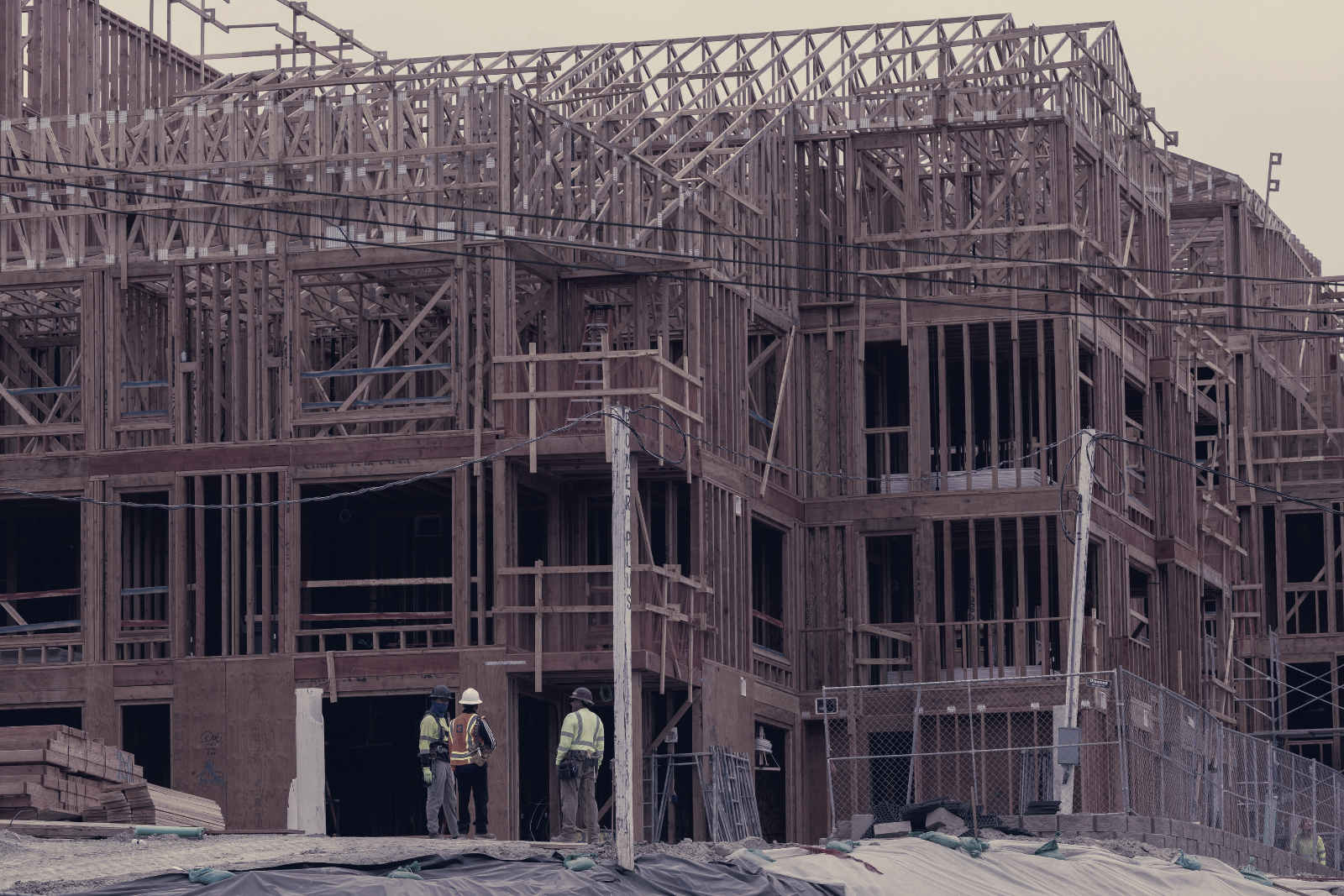
Robotics are shaving time and errors from parts of the U.S. homebuilding process, but they are not yet powerful or repeatable enough to erase the nation’s roughly 1.2 million home shortfall. The technology is delivering clear benefits on narrow tasks such as layout, drilling and material handling, and in factory settings where conditions are controlled. Yet industry leaders and economists say those improvements are not broad or scalable enough to fix the structural problems holding back housing supply.
The housing market faces multiple limits. The National Association of Home Builders’ 2026 outlook puts the shortage at about 1.2 million homes. At the same time, nearly 300,000 construction jobs remained open at the end of 2025, and the NAHB estimates the industry must attract roughly 740,000 workers a year to cover growth, retirements and churn. NAHB chief economist Robert Dietz notes residential construction productivity has risen only about 16% since 1993, compared with more than 50% across the wider economy. He says labor gaps cost builders about $11 billion a year and add roughly two months to a typical build schedule, but he cautions, “It’s too early.”
Executives and researchers point to where robotics are already producing measurable returns. University of Michigan professor Vineet Kamat says the strongest results come in highly repetitive, well-structured tasks and in off-site manufacturing. Those systems improve precision, reduce errors and increase throughput, rather than replacing entire trades. Patrick Murphy, chief investment officer at Coastal Construction, highlights the opposite problem that limits automation: every job varies by design, soil, subcontractors and materials, which makes uniform robotic work difficult.
Tessa Lau, who founded Dusty Robotics after years in robotics and a difficult remodel, built a robot to bring digital plans directly to the surface where crews work. She describes some mistakes as “information mistake[s],” and designed Dusty’s FieldPrinter to print layouts, plumbing and electrical locations, images and QR codes onto floors so all trades share the same instructions. Dusty says a single operator can lay out roughly 10,000 to 15,000 square feet in a day, up to 10 times faster than traditional methods. Global contractor Skanska reported a 75% reduction in rework and a 35% shorter layout schedule after using the system.
Builders are combining these layout tools with off-site manufacturing and pre-cut packages to compound gains. Aaron Love, president and CEO of Oh Snap Layout, uses robotic layout with prefabricated wall panels and other off-site components in Southern California projects. Reliable Wholesale Lumber’s RapidShell program, which pairs robotic layout with pre-cut materials and prefab elements, trimmed shell construction from roughly 21 days to about 11 to 12 days on its projects. Still, Love says the industry is still assessing how much those efficiencies translate across an entire build.
Experts emphasize the mismatch between the popular image of humanoid machines completing entire houses and the current reality. “The biggest misconception is people imagining humanoid robots walking around job sites hanging drywall and painting,” Murphy said. “We’re years out before we’re in that world.” Kamat adds, “The key question is not whether a robot can work in a pilot, but whether it can do so reliably across varied conditions with a positive business case.”
Beyond robotics, Dietz warns the sector faces other binding constraints, including regulatory costs, land availability, supply chains and financing, so there is no single scalable fix. For robotics to shift national output, companies must standardize designs, coordinate trades and push more work into controlled factories where automation reliably delivers value. Until those business and policy changes spread, the most realistic role for robots will remain targeted: cutting mistakes, coordinating crews and accelerating specific phases of home construction.