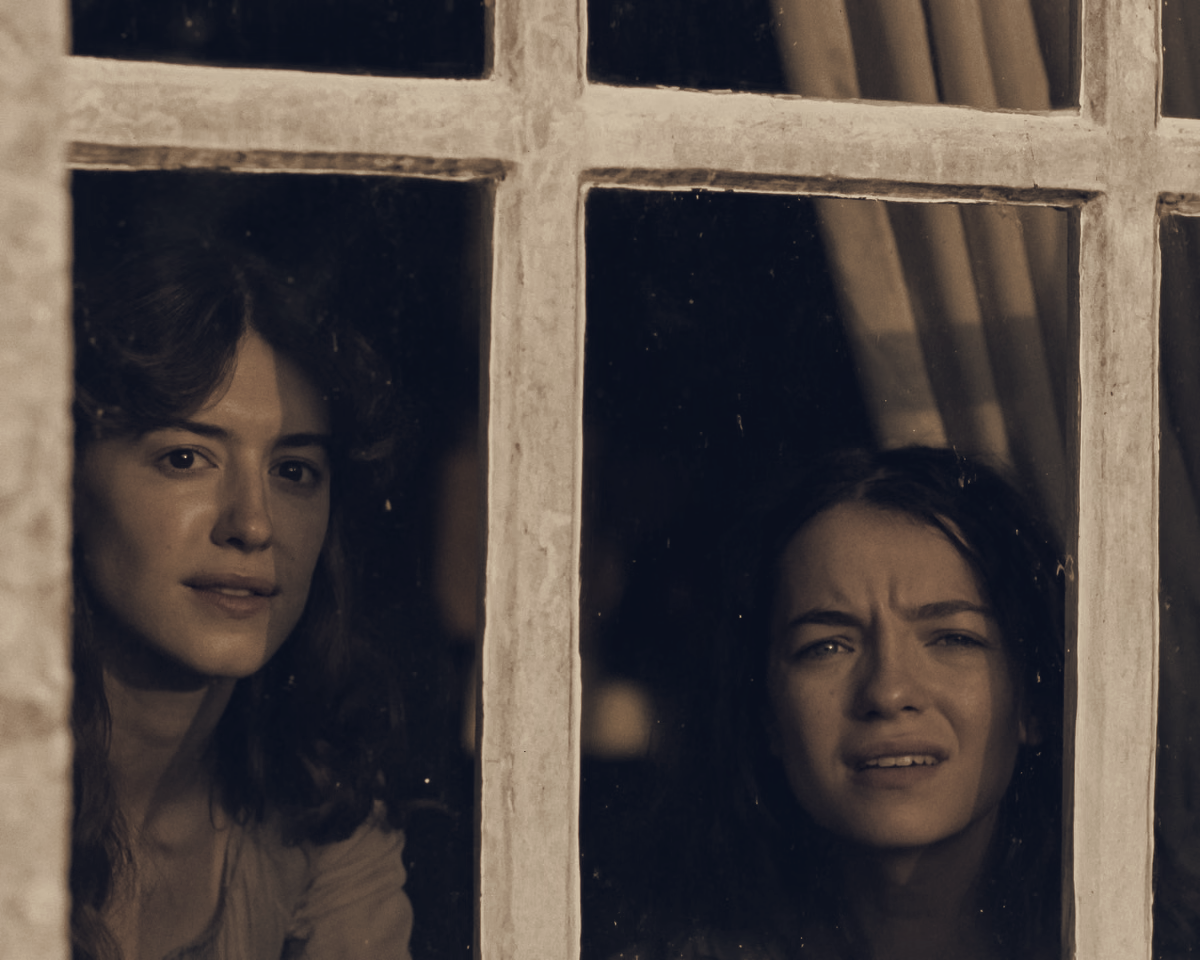
This adaptation changes what viewers should expect from Jane Austen’s comedy of manners, trading broad romcom flourishes for a quieter, more restrained tone. The production centres on Daisy Edgar-Jones and Esmé Creed-Miles in the roles of the Dashwood sisters, and that casting choice is framed as the clearest sign of the series’ ambition: it is presented as a next-generation do-over that privileges subtlety over showy sentiment.
The Story in Pictures
Describing the approach as sober-minded narrows how the story is staged and how performances are judged. With the emphasis placed on emotional restraint, the balance between wit and warmth will depend on nuanced acting and direction rather than on obvious comic set pieces. That makes the casting not a cosmetic update but the primary instrument through which the adaptation aims to redefine familiar beats.
Presenting the work as a fresh take on a well-known novel signals an intent to reorient the material for contemporary viewers rather than simply reproduce a familiar period romcom. Where previous versions have leant into hearty comic timing, this production’s identity rests on a quieter register, which will affect pacing, dialogue delivery and the prominence of romantic payoff.
For audiences, the main question is whether the sober tone deepens the source material’s emotional stakes or strips away some of its social sparkle. For the two leads, the roles carry outsized responsibility: critics and viewers alike will focus on Edgar-Jones and Creed-Miles as the measure of the adaptation’s success. The final verdict will come from how well restrained performance and direction sustain engagement across scenes that, in this telling, rely more on interior life than on conventional romcom energy.