
New York’s concert life is set to broaden as Gustavo Dudamel, the Philharmonic’s incoming music and artistic director, brings a visible appetite for genre crossover and community collaboration. The conductor, now 45, is still months away from officially taking the post announced in 2023, but his early appearances have already pulled new audiences into classical spaces and signalled a different posture for the 184-year-old orchestra.
The Story in Pictures
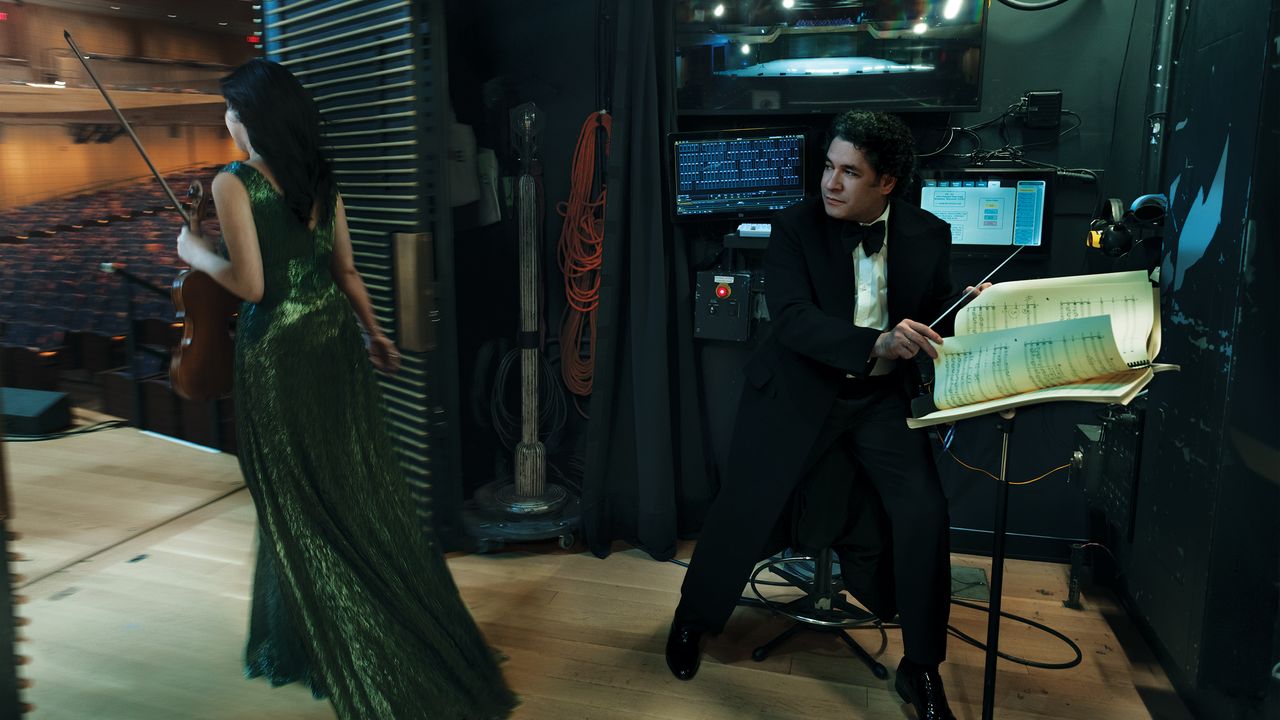
At a rehearsal in the United Palace theater in Washington Heights, Dudamel prepared the first-ever joint performance between the New York Philharmonic and the 25-year-old Spanish Harlem Orchestra, a pairing that explicitly blends classical repertoire with salsa-inflected energy. The program for the night included Leonard Bernstein’s Times Square: 1944 and Heitor Villa-Lobos’s Toccata, and the rehearsal crowd included staffers who greeted the conductor in the lobby with “Hola, maestro.”
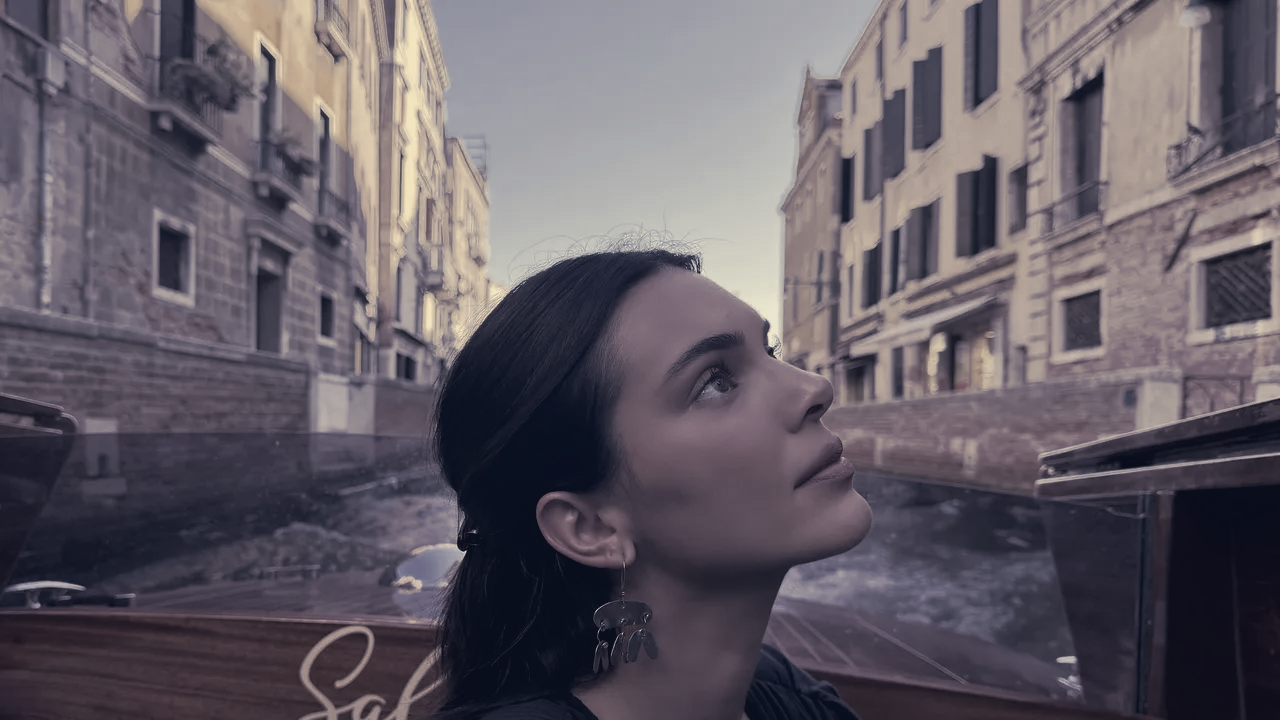
Scenes from Dudamel’s early New York appearances have highlighted an unusually broad appeal. At Lincoln Center this spring, audiences responded with exuberant shouts and stomps after Stravinsky arrangements; at a fundraising gala in April, philanthropist Barbara Tober called him “our gift from God.” A friend posted a selfie with Dudamel’s signature curls at Lincoln Center, and small, vivid details, his dressing room stocked with Brazil nuts and popcorn, an outfit that included Hermès and Emporio Armani, have become part of the public portrait.
Dudamel’s musical biography explains the reach. Born in Barquisimeto to a trombonist father, Oscar, and a mother who sang, he was raised inside Venezuela’s El Sistema program. José Antonio Abreu mentored him and urged him into conducting, telling him he had duende. Dudamel rose quickly on the international stage after winning a major conducting competition at 23, and then spent 17 years at the Los Angeles Philharmonic where his repertoire ranged from Mahler and Philip Glass to film and pop collaborations, including concerts at Coachella and a World Cup halftime performance with the Muppets.
He frames his work as more than charismatic gesture. “It’s not only that I move beautifully my hands in front of an orchestra,” he says, “It’s that we have to go deep, and they have to feel that it’s honest.” For the Philharmonic, that emphasis suggests programming that foregrounds both craft and connection, and a leadership style that mixes high-profile spectacle with local musical partnerships.
What comes next is immediate and symbolic: Dudamel will hold the baton for the joint Philharmonic, Spanish Harlem Orchestra concert tonight, and in a few months he formally assumes the music and artistic directorship. His early New York run offers a first test of whether his brand of stylistic adventurousness will become a lasting feature of the city’s oldest orchestra.