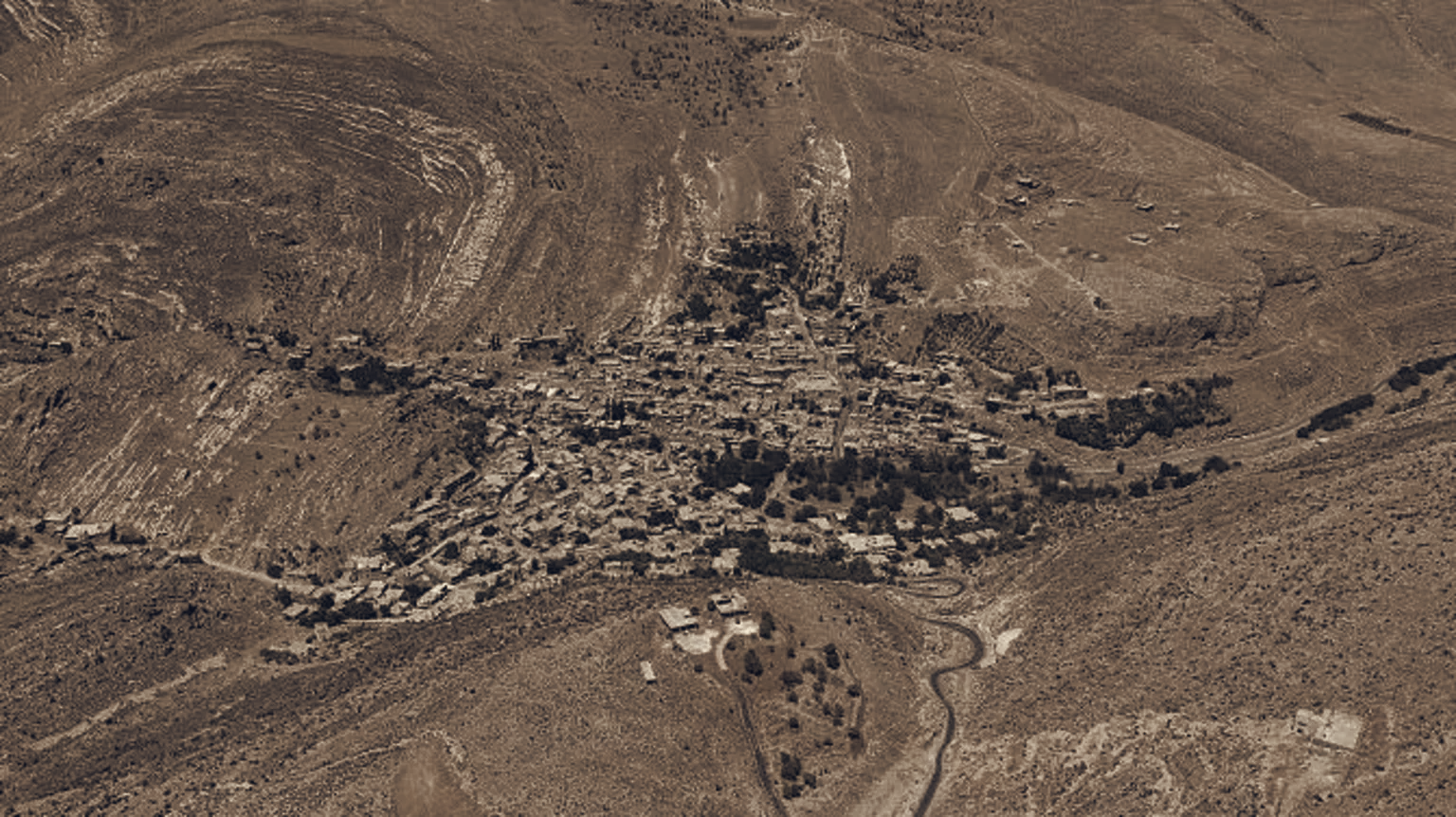

Regional tensions risk rising after Damascus accused Israel of violating international law when a strike near the village of Beit Jinn, southwest of the capital, struck a civilian vehicle and wounded several people. Syrian officials condemned the incident, calling it a breach of their sovereignty, and described it as the second known Israeli strike on Syrian soil in a week.
The Israeli military posted on X that it had targeted a "terrorist" it said was in the "final stages" of preparing attacks that posed an immediate threat to soldiers. Damascus rejects that account and warned the strike could further destabilise an already fragile frontier where multiple foreign forces and contested locations intersect.
The latest incident followed reports that Israeli forces had struck the Abu al-Duhur airbase near the Turkish border. Syria said that earlier attack risked escalating tensions, and Washington issued a rare public rebuke, calling the action "an unnecessary escalation that does not advance regional stability." The office of Israeli Prime Minister Benjamin Netanyahu defended the operation, saying, "Israel and Syria agreed to a status quo in security matters, which Syria was on the verge of breaching by permitting Turkish troops to deploy at an airbase near Aleppo."
Abu al-Duhur sits about 70km from the Turkish frontier and has not served as an active military airfield since 2013. Rebel forces captured the base in December 2024, and Turkey has not confirmed whether any of its troops moved there after the strike. Ankara rejected Israel's suggestion that Turkish presence at the site constituted a threat.
The background to these clashes is a transformed Syrian landscape. Israel occupies territory in southwest Syria it says it seized after the fall of Bashar al-Assad in 2024, and Damascus has been trying to restore military facilities damaged during the offensive that toppled the previous government. Turkey has provided military assistance to Syria since that overthrow, while Israel treats both Ankara and Damascus with deep suspicion.
Domestic politics and competing narratives have amplified the diplomatic fallout. After the Abu al-Duhur strike, Tom Barrack, the US ambassador to Turkey, suggested the action could be "the Israelis baiting the Turks," a remark Israel's defence minister Israel Katz called "full of inaccuracies" and complemented by Katz's assertion on X that Israeli forces were acting "in light of clear intelligence information about Turkey's intentions." The exchanges underline how public accusations and counterclaims now shape the risk of miscalculation.
What happens next will depend on whether regional capitals step back from public confrontation or whether further strikes and troop movements convert localized strikes into a broader crisis. For now, the incident tightens diplomatic pressure on Al-Sharaa's government as it deepens ties with Western partners, and it leaves military planners on all sides facing the acute risk of escalation near the Turkish border.