
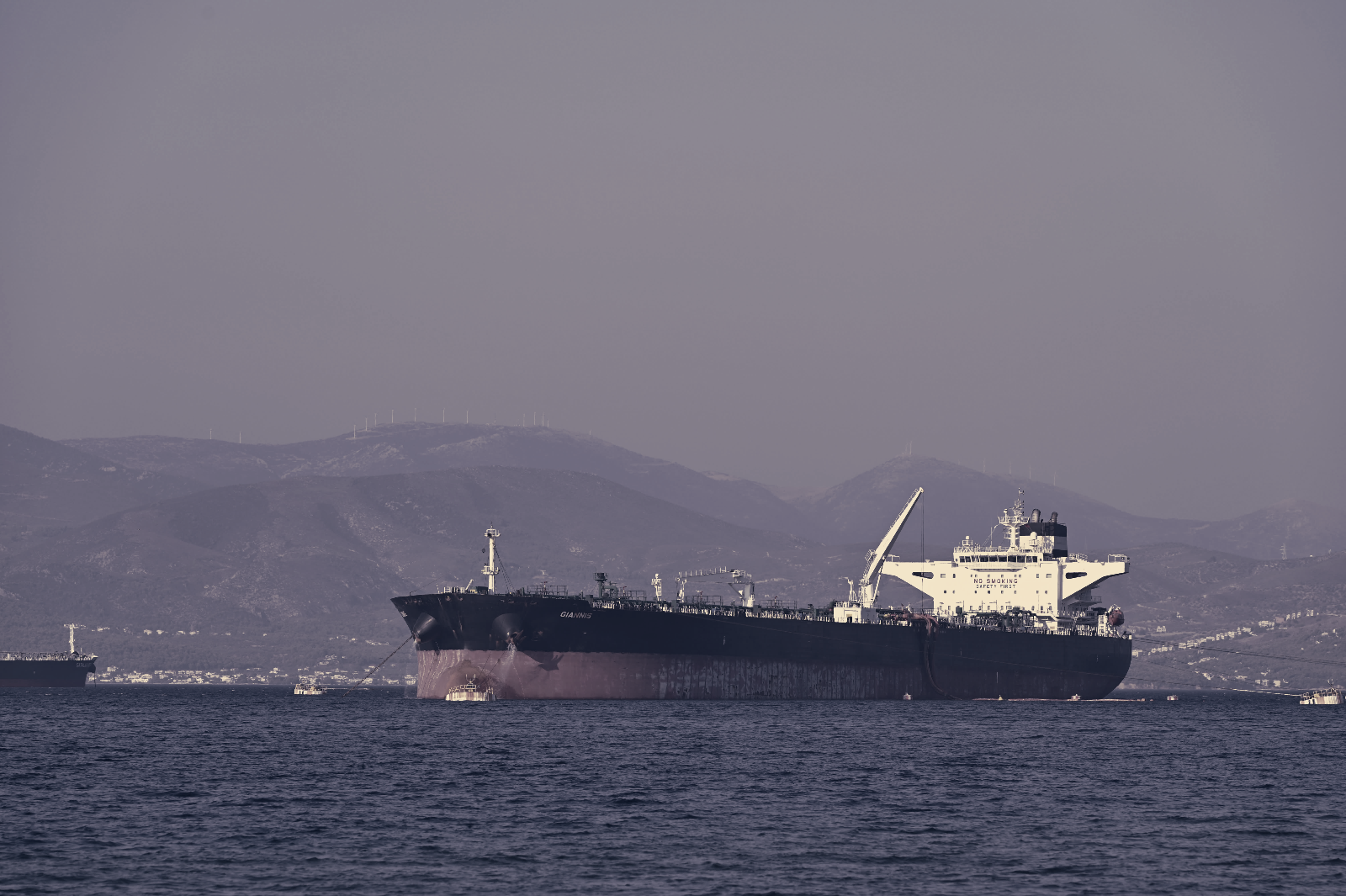
Investors in the Breakwave Tanker Shipping ETF have posted the largest year-to-date gain among U.S. non-levered funds, the ETF rising roughly 3,600% through Sept. 11, Morningstar data show. The jump reflects a spike in the cost of hiring tankers, as security incidents and rerouted trade lanes have removed ships from the most direct routes and pushed freight rates sharply higher.
BWET does not follow crude prices; it tracks oil tanker futures, so returns come from moves in transport costs rather than the commodity. John Murillo, chief business officer at B2BROKER, framed the rally in geopolitical terms, saying, “The fund’s performance has very little to do with the oil price itself or its actual volume and depends mainly on geopolitics.” He added that investors are betting on how costly it will be to move a barrel from the Middle East to consumers, a price that rose once passage through the Strait of Hormuz was disrupted.
Recent events tightened choke points. Iran-related hostilities have squeezed traffic through the Strait of Hormuz, Houthi fighters seized Yemen’s Mokha port last week giving them a new platform to threaten Red Sea navigation, and Saudi Arabia closed its East-West crude pipeline as a precaution after drone strikes from Iraq. Those shifts prompted many carriers to avoid the area, lengthening voyages and inflating freight rates.
Breakwave’s biweekly tanker report dated Sept. 8 shows the Middle East routes the fund follows are up close to 500% year over year. The surge has translated into outsized profits for owners of very large crude carriers while creating acute capacity constraints for shippers competing for limited vessels and berths. “Companies are jumping at prices that might be 300 percent higher than they were paying, but that is the only ship available,” said Kyle Peacock, principal at Peacock Tariff Consulting. “The shipping companies may have to route a ship farther, but their income is increasing tenfold.”
Analysts and the fund itself warn the rally rests on a temporary mismatch between demand for long, safe routes and available tonnage. Breakwave noted that soaring freight rates have spurred a large wave of new ship orders, putting the orderbook well above average and signalling a longer-term shift that could precede an industry downcycle. Low water levels in Panama and parts of Europe have also left vessels stranded, worsening the shortage, and many newbuilds already on order will not arrive for months.
Peacock estimates fresh capacity could begin to ease shortages in 18 to 36 months, and he noted there are roughly 200 or more vessels currently under construction worldwide. Project44’s Eric Fullerton warned the pattern is repeating, saying, “This is twice in the past three years either governments or groups have weaponized trade routes for geopolitical gain. We have never seen that before.”
For investors the episode crystallises a narrow trade: owning freight-rate exposure delivered outsized returns this year but concentrates risk on geopolitics and short-term supply imbalances. New ship orders and shifting choke points mean the conditions that produced BWET’s 3,600% gain could relax over the next several quarters, but relief will be gradual and uneven.