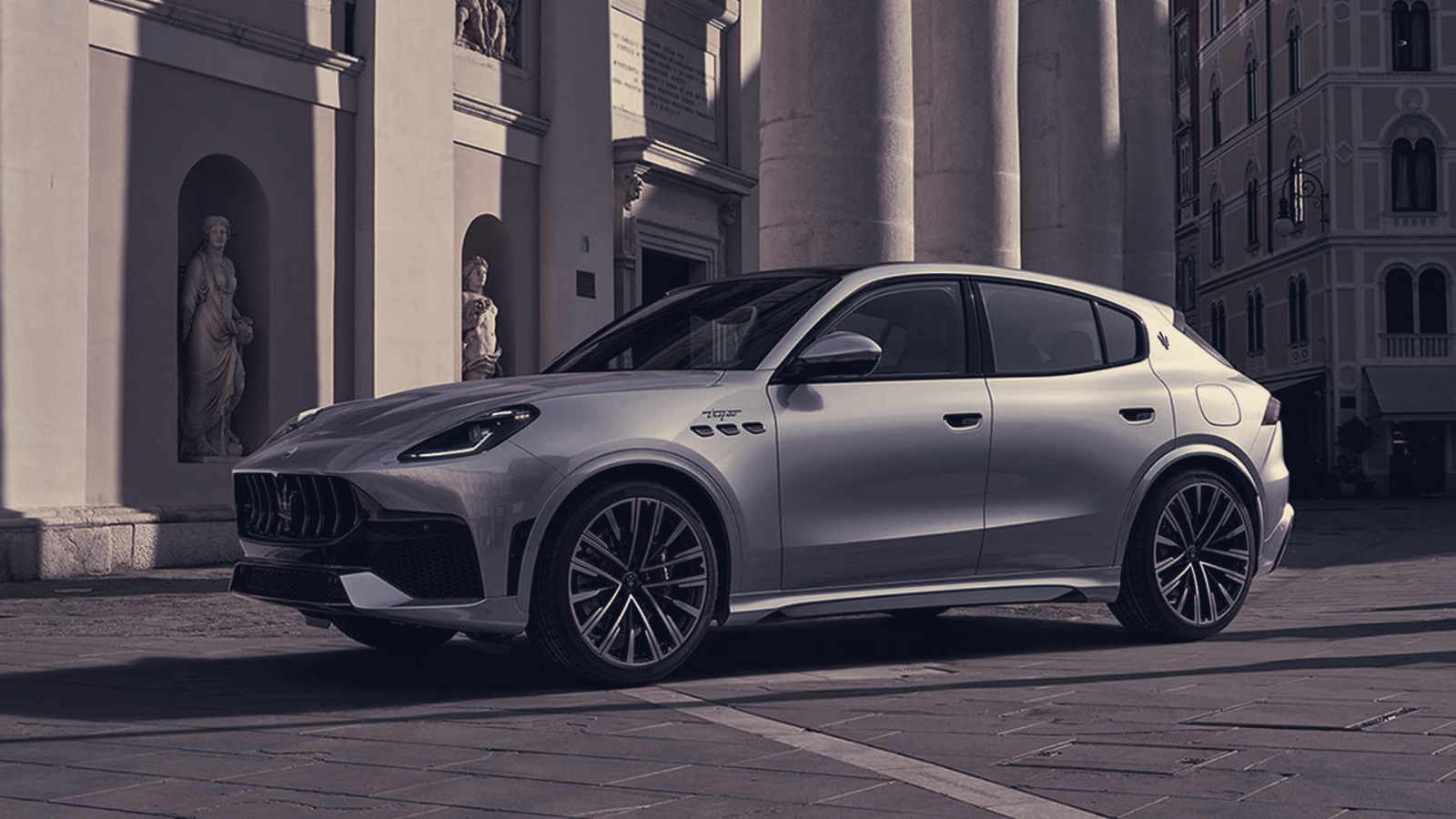
Maserati is preparing to hand core engineering and manufacturing tasks for two new electric models to Chinese partners, while keeping final assembly in Italy. The move, reported in industry outlets, would let the brand lean on large-scale manufacturing and Huawei technology for a mid-to-large electric SUV and a large electric grand tourer, with the cars sold abroad under the Maserati name.
The technical package reportedly comes from Huawei, which would provide its HarmonyOS Intelligent Mobility software for the cockpit, the Qiankun ADS driver assistance system, and electric drive components. JAC Motors would carry out whole-vehicle engineering and build body shells at its Zunjie Super Factory in Hefei. Those shells would then be shipped to Italy as semi-knocked-down units for final assembly, a split intended to combine Chinese production scale with Italian finishing.
Reports say Maserati would keep a compact but strategic role, contributing design and access to its international dealer network. Domestically in China the cars are expected to carry a different name, Maextro, while export markets would receive vehicles badged as Maserati. The Middle East, Italy, France and Germany are listed among the initial overseas targets.
The timing cited in reports points to mass production of the first model in the second half of 2027, but no company has publicly confirmed a timetable and no definitive commercial agreement has been announced. Stellantis chief executive Antonio Filosa has warned about the limits of such partnerships, saying, "Maserati needs industry partners but will not sell the brand."
The reported arrangement arrives as Maserati struggles to regain sales momentum. Deliveries fell to about 7,900 cars globally in 2025, a decline running roughly 85 percent from the brand's 2017 high. Financially the company posted an adjusted operating loss of €198 million, $227 million, equal to a negative 27.3 percent margin, a backdrop that helps explain why the marque is exploring unconventional supply chains.
Industry coverage suggests this program would allow Maserati to present cars as Italian-assembled while reducing the cost of the underpinnings by using Chinese engineering and components. Observers will watch whether that messaging satisfies buyers and dealers, and whether a formal commercial pact clarifies who makes what. Motor1 has reached out for comment and will update the report if the companies respond.