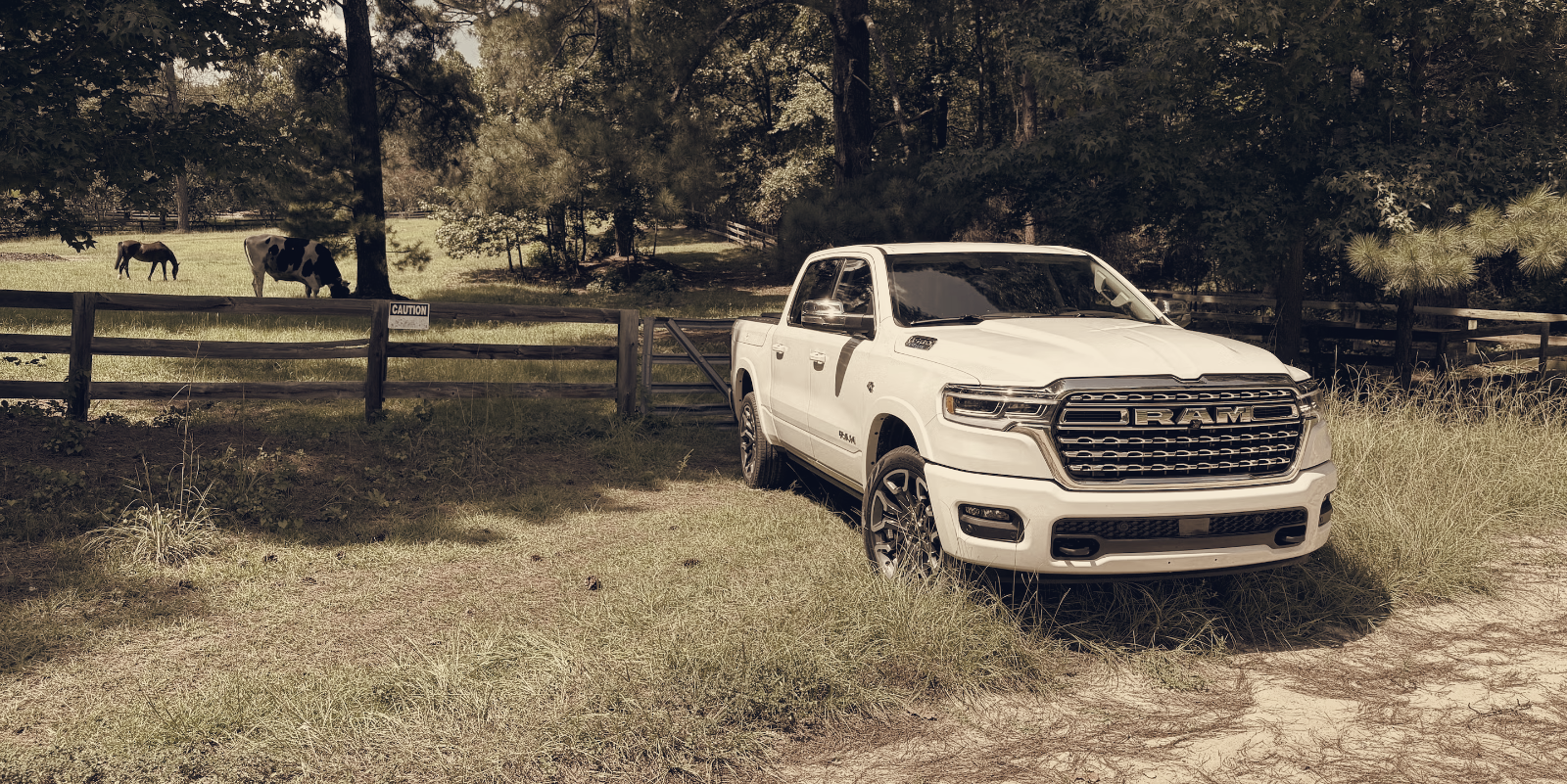
Ram must convert a handcrafted West‑of‑the‑Mississippi aesthetic into repeatable factory processes to meet demand for the Longhorn. The truck’s appeal rests on an appearance of bespoke materials, barn‑worn wood, saddle‑style leather and hammered metal, but those qualities are difficult to scale from one‑off salvaged pieces to tens of thousands of production interiors.
The Story in Pictures
The Longhorn first appeared in 2011, and Ram discovered that interest exceeded the supply of authentic reclaimed trim. Rather than tear down barns, the company reproduces the effect by sawing real oak at a 45‑degree angle so each piece bears unique saw marks. The wood that receives the Longhorn brand also reacts differently to heat from truck to truck, which produces small but deliberate variation across interiors.
Jon Gaudreau, the Longhorn’s lead designer, framed the challenge plainly. “When you’re going for handcrafted quality, imperfection is the desired result,” he said, explaining why variability is intentional. The leather upholstery is full aniline, the highest grade of leather and prone to natural markings, lines and creases. Customers mistook those natural variations for defects, so Ram began adding seat tags to explain the material is meant to age into a one‑of‑a‑kind finish, similar to a horseman’s saddle.
Decorative details follow the same logic. Filigree patterns on the leather are laser‑etched with deliberate variation in burn depth, which changes the contrast and colour brought out in the hides. Those techniques let Ram produce interiors that read as bespoke without relying on a constantly dwindling supply of reclaimed fence posts.
Ram does not publish trim‑level sales, though the brand sold 374,059 trucks last year, and the Longhorn’s popularity helps explain why western‑luxury trim lines are common across American pickups. The test truck discussed here cost $89,085 and used Ram’s 395‑hp Hemi V‑8; the reviewer noted a preference for the range‑topping 540‑hp turbocharged Hurricane inline‑six available elsewhere in the lineup.
The Longhorn shows how an automaker preserves the narrative of handcraftsmanship while adapting design and toolmaking to the realities of mass production. For buyers, that means trucks that look unique at first glance but are the product of deliberate, repeatable manufacturing choices rather than true one‑off craftsmanship.