Rote now hosts a high-end resort and a hospitality academy, a development that will expand local jobs and change the island’s tourism profile. The new property, Nihi Rote and Hospitality Academy, is a sister hotel to Nihi Sumba and sits on the island’s eastern bay, a place long prized by surfers for its clean, reliable waves.
The Story in Pictures
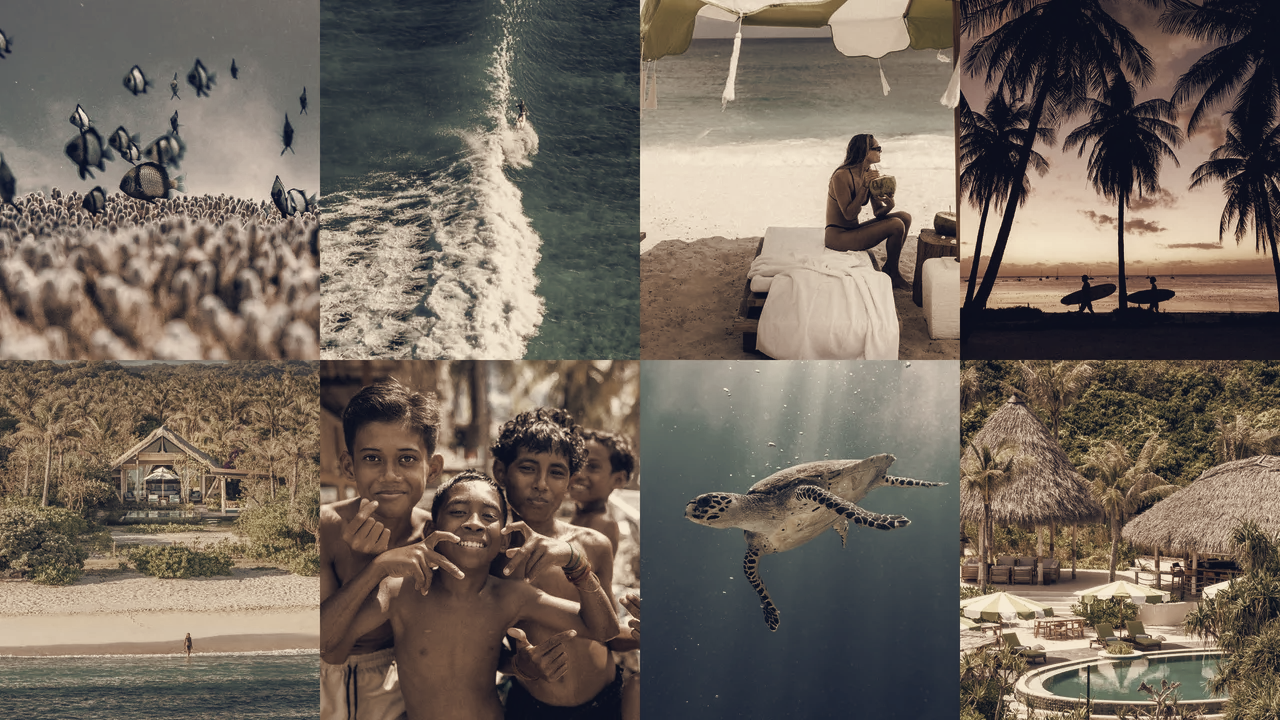
The island occupies a remote tip off West Timor, closer to Darwin than Jakarta, and has been visited by Australian surfers for roughly 40-odd years. That isolation has preserved a slow, island-time rhythm: white sand, coconut fringes, steady trade winds and long sunsets. The difficulty of getting here has also limited numbers, which is why Rote’s first top-tier resort marks a clear shift.
On the property’s shoreline a cluster of thatched, low-rise villas uses local materials such as lontar palm and ikat textiles, and the beach club Nammo sits directly in front of the Bo’a surf break. When the hotel opens fully in October it will offer 21 villas, three pools, a spa, a pump track and a golf simulator. The owners also intend to build and sell multimillion-dollar residences alongside the resort.
The hospitality academy attached to the property has already begun training Timorese students, who staged an evening of traditional song, dance and storytelling and served a communal meal of coconut rice, lemongrass, rendang and grilled fish with sambal. Students speak about local cuisine, the sasando string instrument, and their early struggles with learning to swim, and many describe the academy as their first job in hospitality. “We’ve never seen anything like this on Rote,” says one student.
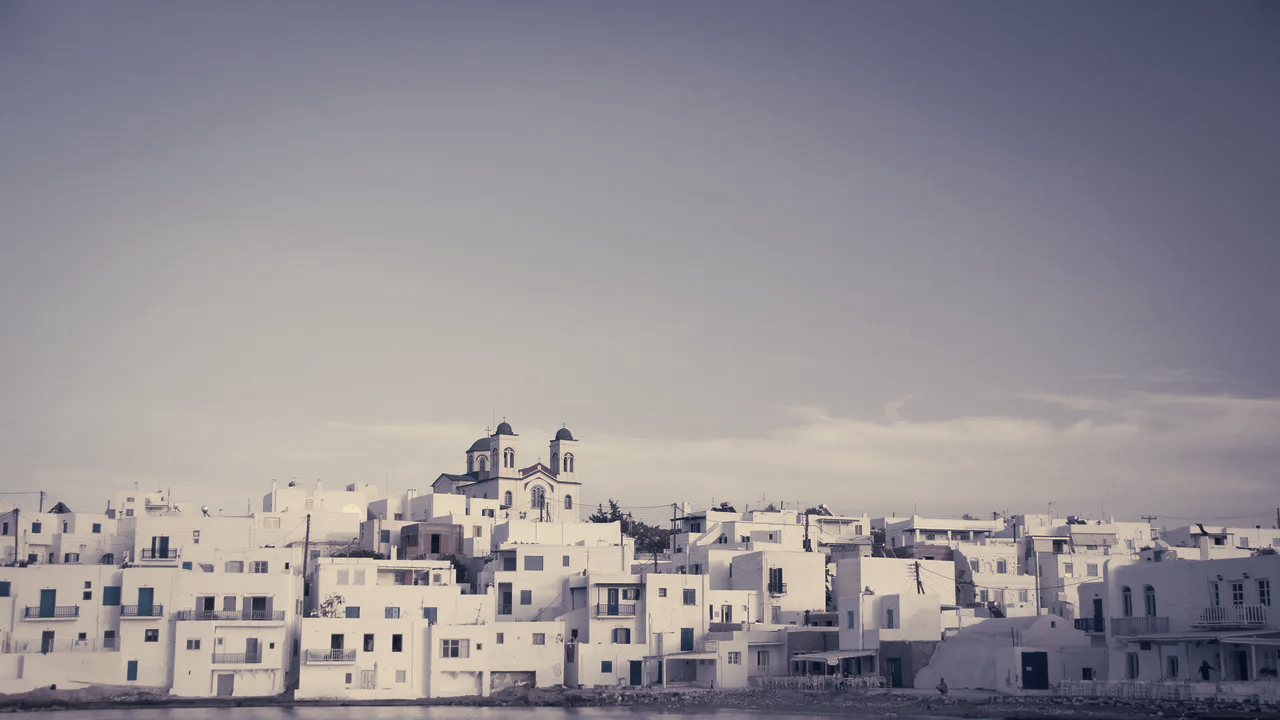
The island’s everyday life remains visible beyond the resort: cinder-block and tin-roof houses, women braiding each other’s hair, frangipani blossoms on the ground, roadside vendors selling gasoline in glass bottles, and long rows of churches where Easter processions still reenact the Stations of the Cross. Visitors and newcomers are common, locals often ask, “Do you live here?” and invite people to stay, saying, “Come and live here, you are welcome, bring your family.” One South African surfer described the trajectory in miniature: “We were also passing through,” he said, noting that he and his partner have settled, had a child and are building a cottage.
Rote’s past is layered with colonial conflict over sandalwood and spices, and its cultural markers survive in tenun ikat weaving and the pointed ti’i langga palm hat. For now the immediate change is practical: new hospitality jobs and skills training are arriving in a place that until recently relied on seaweed farming and fishing. The full hotel launch in October will signal whether that shift accelerates.