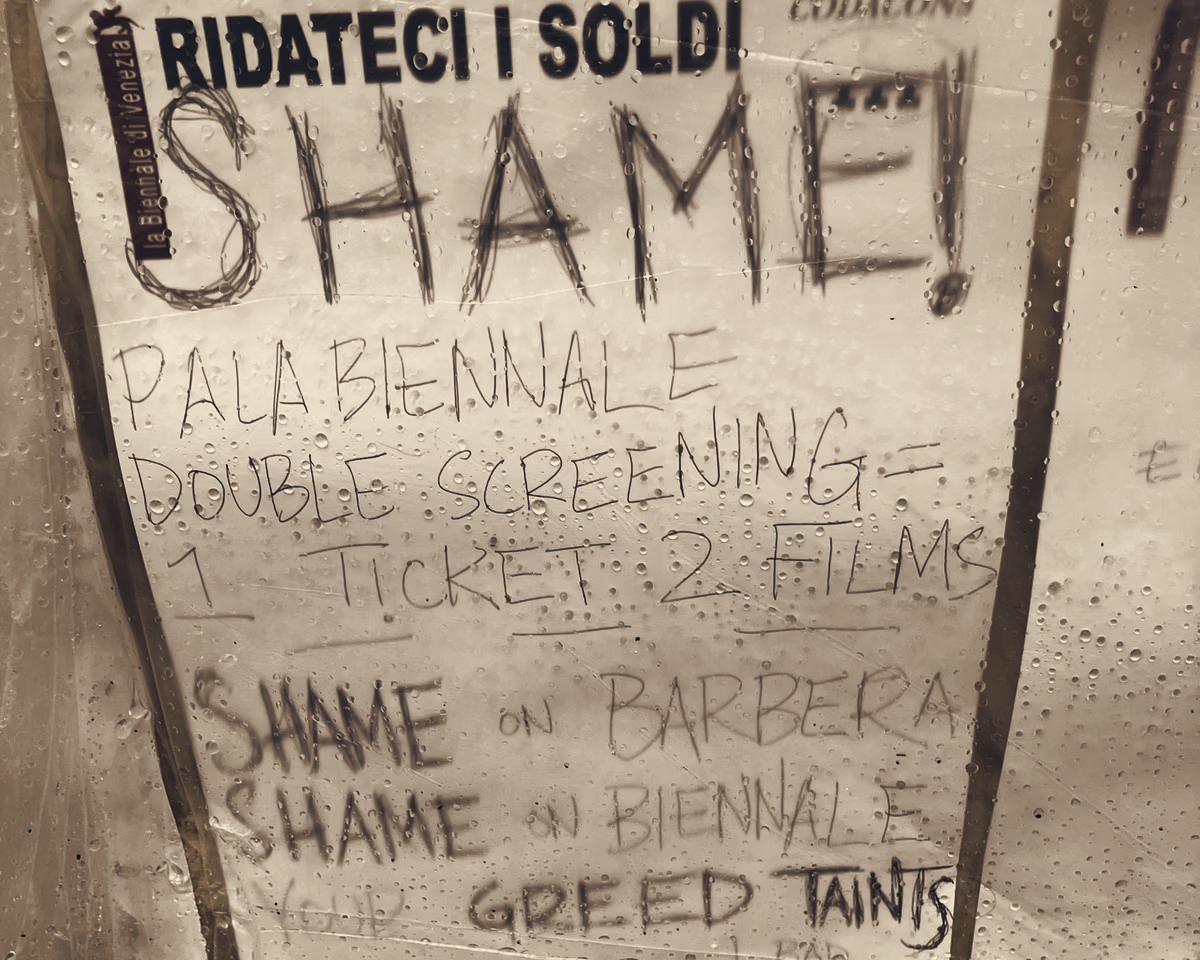
A public feedback wall at the Venice film festival has turned audience reactions into a visible, unmediated record, giving moviegoers a way to register complaints about both films and the people running the event. The written forum has become a space where members of the public post blunt responses to what they have seen, including notes addressed directly to filmmakers. One example read, "Danny Boyle, please make another film about drugs".
The Story in Pictures
That kind of message, scrawled on a wall rather than filtered through reviews or curated panels, changes how sentiment at a major festival is displayed. Organisers and programmers can no longer rely solely on selected press coverage or official Q and As to gauge reception. Instead, a stream of short, often pointed comments is now part of the festival’s public record and visible to every attendee who passes the wall.
For filmmakers the effect is immediate and personal. The written forum exposes their work to off-the-cuff verdicts that circulate physically through the venue and digitally when photographed. For festival staff it creates an informal barometer of goodwill and frustration that cannot be boxed into star ratings or conventional press coverage.
The wall also speaks to a broader tension between curated festival culture and mass audience opinion. Festivals have traditionally mediated how films reach critics and industry insiders; the feedback wall bypasses that mediation and forces a different kind of accountability. Whether organisers will change how they collect and respond to audience input is now a live question.
What happens next depends on the festival’s response. The wall could be treated as a useful, candid source of audience intelligence, or it could prompt a rethink of how public feedback is solicited and managed at high-profile events. Either way, the visible airing of grievances at Venice highlights the gap between official curation and everyday spectatorship, and it puts that gap on public display.