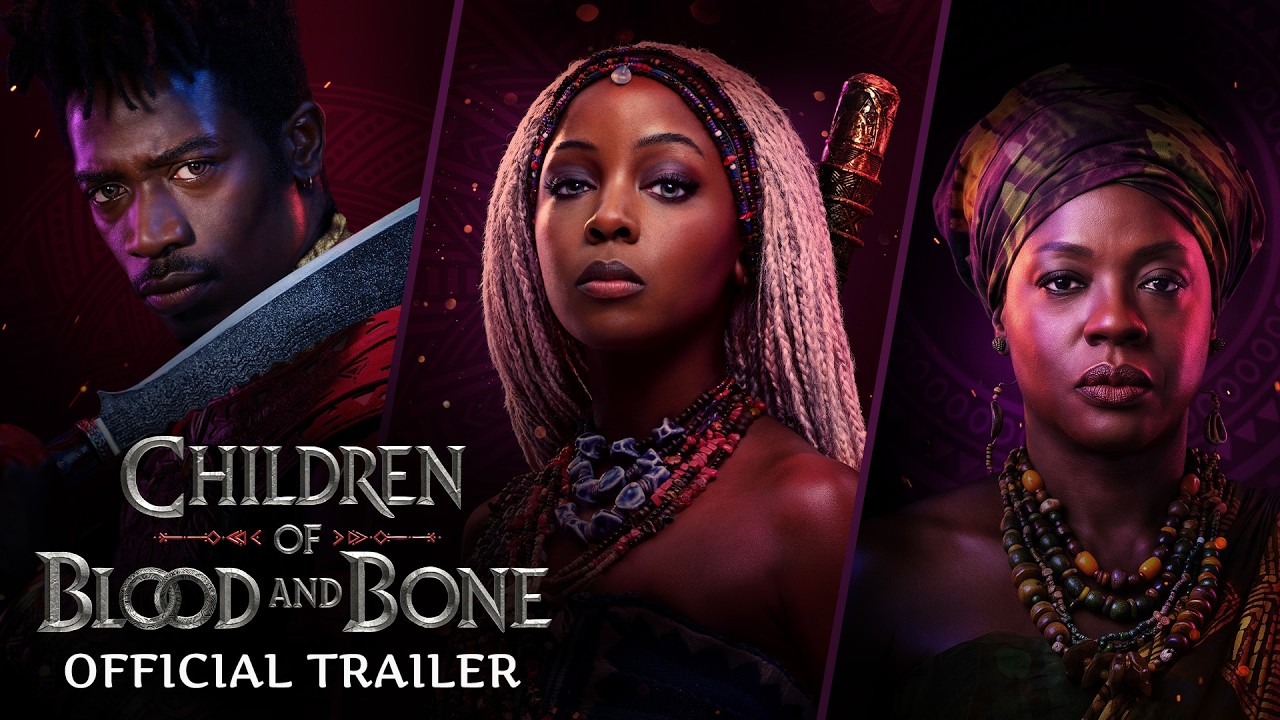
Fans gain a trailer, and the original book remains the surest way to judge the story. Paramount released the first trailer for Children of Blood and Bone this morning, the buzzy adaptation of Tomi Adeyemi's bestselling book. The new footage introduces the film to a wider audience, but it does not replace the source material.
Trailers are designed to excite and compress. They emphasize visual forward motion, dramatic beats and an immediate mood. That approach serves marketing, it does not promise a substitute for the craft found on the page. Adeyemi's work earned a bestselling rank before the movie announcement, and readers who value depth in character and worldbuilding will find the book delivers detail a short trailer cannot convey.
The choice between watching a brief, stylized preview and taking the time to read a book comes down to priorities. Trailers accelerate discovery, they make a property conversational. Books explain context, interiority and pacing. For some viewers the trailer will suffice as a primer, for others the trailer will be an invitation to return to the original text.
Promotional clips also change how audiences approach an adaptation. A trailer frames expectations and highlights certain scenes while eliding others. That framing can sharpen excitement, and it can narrow the questions readers bring to the story. When a property is already described as buzzy, visual marketing tends to amplify curiosity rather than settle it.
Paramount's release matters because it sets the tone for audience conversation. The trailer will reach prospective viewers quickly, and Tomi Adeyemi's bestselling book remains the reference point for anyone seeking the fuller experience. For readers uncertain where to begin, the recent unveiling suggests a simple path: watch the preview, then judge the narrative on the page.