
The Story in Pictures
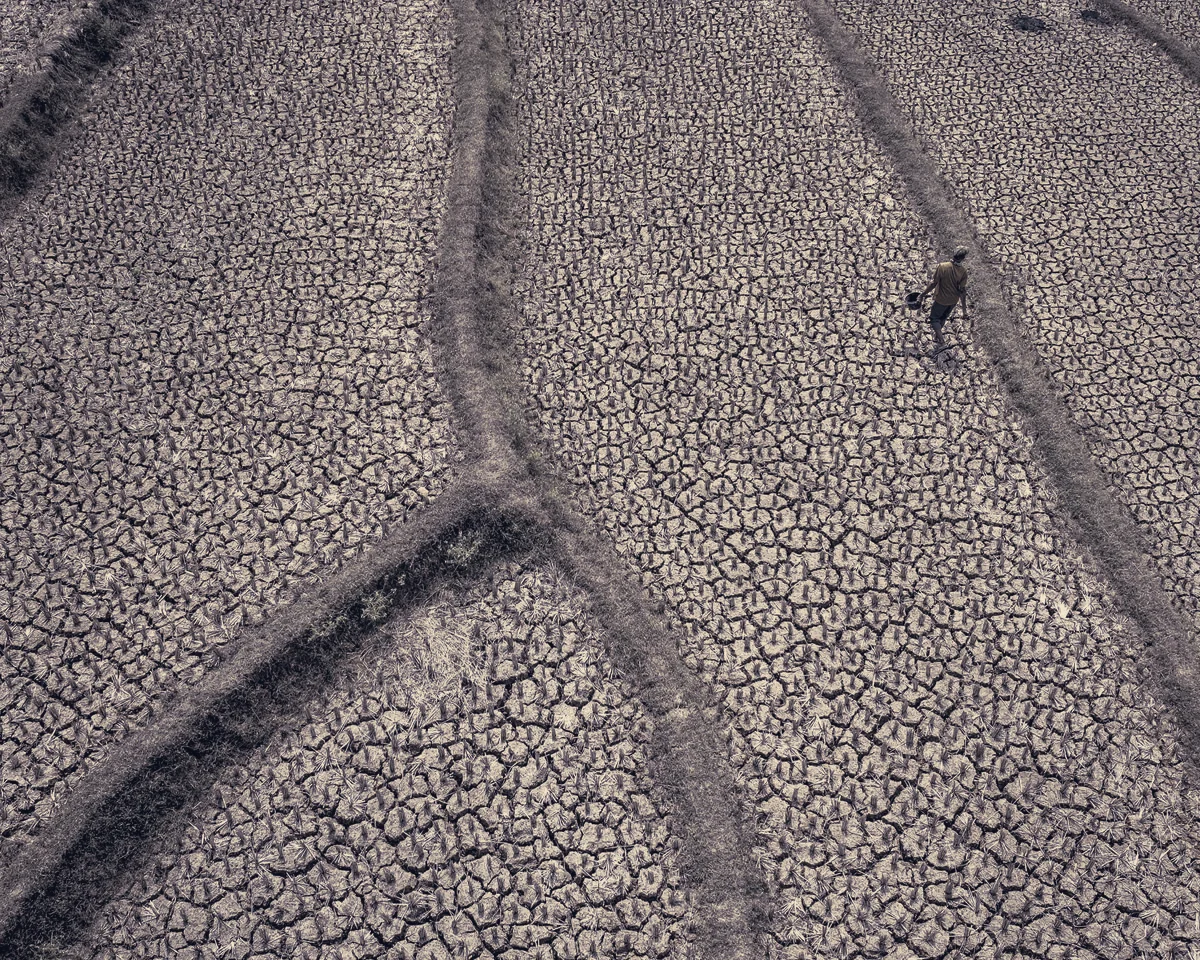
Scientists link the developing event to exceptionally warm sea surface temperatures across the tropical Pacific, on top of the underlying human-driven climate crisis. The United Nations secretary-general António Guterres warned the phenomenon is "being supersized before our eyes," and the World Food Programme has said about 50 million people will probably be pushed into acute hunger by the intense weather system.
Authorities from Hong Kong to Beijing and Taipei are changing rules and running emergency exercises. Hong Kong revised workplace policies after recording its hottest day on 9 August, directing firms to reschedule work, provide cooling and rest breaks, and warning employers could face prosecution for failing to support staff in extreme heat. Mainland China has opened a 100-day campaign to shore up harvests, upgrade early warning systems and urged cities to produce climate risk maps to spot zones vulnerable to severe heat and flooding.
Taiwan is treating the threat as an emergency, holding a large-scale exercise in early September that simulated three successive days above 40C with scenarios of power and water outages, rail disruption, air-conditioner failure and mass heatstroke, while testing an online "Cool Map" to steer people to airconditioned refuges. India has already seen parts of the country record nearly a 50% shortfall in September monsoon rainfall, a deficit hitting rice, pulses, cotton and maize. The agriculture minister, Shivraj Singh Chouhan, described the government response as a "protective shield for farmers," targeting more than 350 vulnerable districts with boosted water conservation, harvesting measures and promotion of low-water, short-duration crops such as pulses and millets.
Sri Lanka is confronting its worst drought in a decade, with over 160,000 people facing drinking-water shortages as key reservoirs run dry. Authorities have closed tourist areas in Yala national park and are delivering tankers to refill animal ponds after thousands of fish were found dead in Mullaithivu lagoon. An official at the disaster management centre warned, "If water sources dry up, there will be no alternative means of obtaining water," and said relying on the country’s single desalination plant is not considered workable.
Across south-east Asia, El Niño's impacts are being compounded by other pressures, including disruptions to energy and supply chains and higher fertiliser costs linked to the Iran war, and severe seasonal haze from fires in Malaysia and Indonesia. Governments are accelerating mapping, emergency drills, water and agricultural measures now, ahead of forecasts that the event will peak late this year and continue into 2027.