H&M’s Studio line arrived in a show that foregrounded what it wanted the audience to take home: clothes that trade between rigor and softness. On September 17, 2026, Ann-Sofie Johansson presented a collection that placed slim, sharply tailored pieces beside lace-edged satins and slip-like dresses, using a Nick Knight-produced staging to amplify the contrast.
The Story in Pictures
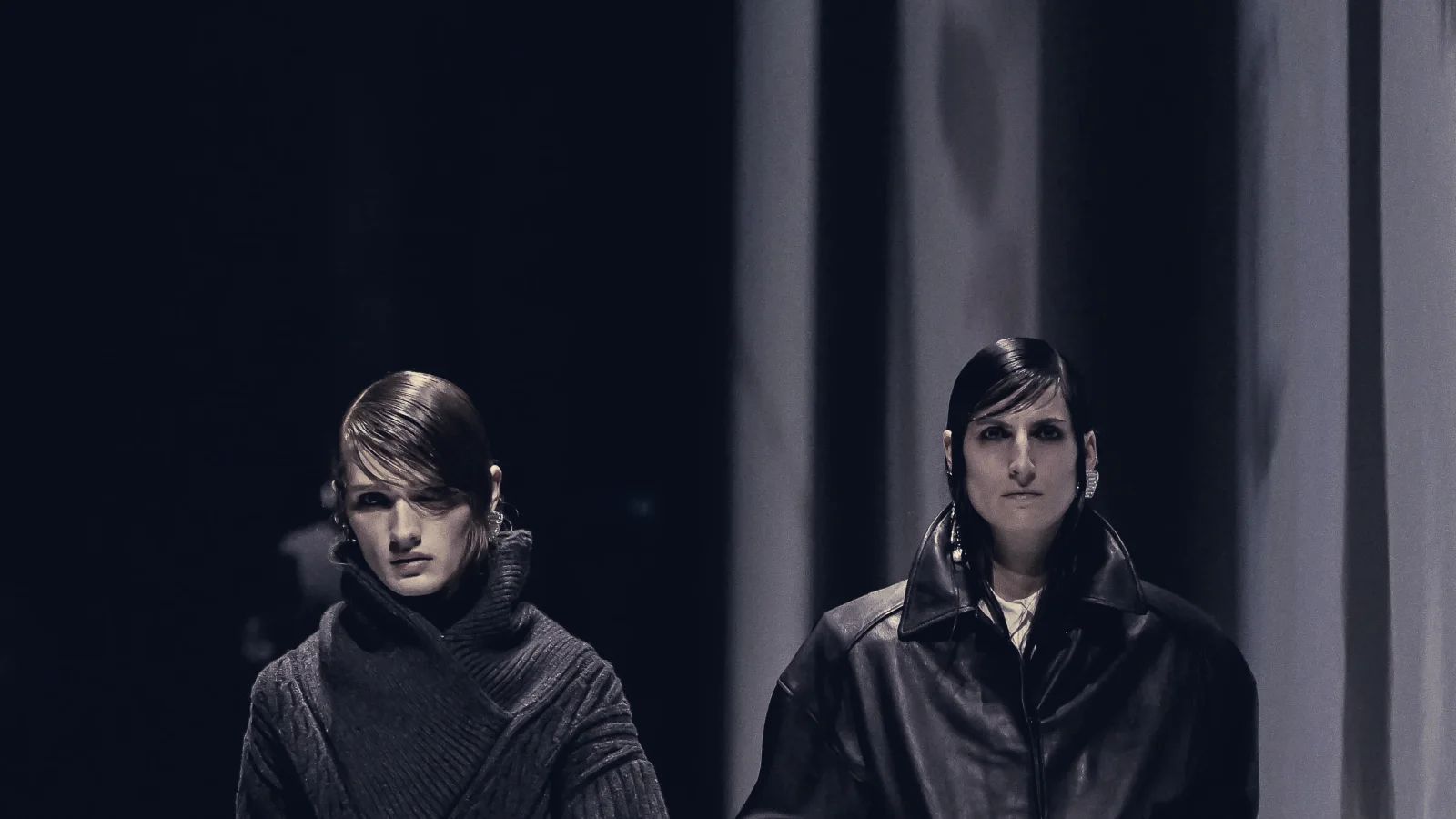
The live production treated the runway as theatre. Models entered in near-darkness holding retro-style flashguns, the finale played against a screen that rendered their reflections through a dynamically sketched, gouache-tinted filter reminiscent of A-ha’s “Take on Me.” Dance and a spoken-word reading of Foreigner’s “I Want to Know What Love Is” framed the show, and an unscripted cameo by three protesters briefly punctuated the evening without causing harm or halting the presentation.
Johansson, who has been H&M’s Womenswear Head of Design for almost 40 years, anchored the collection in cinematic references. A research trip to Palermo and the chiaroscuro photography of Fernando Scianna informed the palette and mood, pushing the clothes toward an Italianate, Fellini-inflected glamour. Those influences arrived in details: tightly darted shirts and light corseting sat next to loosely cut day pajamas, while pointed low heels carried horsehair-like fringes.
The most persistent tension was between structure and sensuality. Strong-shouldered Monteco wool overcoats established a defined silhouette, and low-armholed, shawl-collared rib knits allowed the line to flow with movement. Embroidered clusters of dark foliage articulated volume across skirts and dresses, and layering tricks, doubled cuffs and collars, scrunched faux-underpinnings and glimpses of white laced nightwear beneath fitted skirts, let the edges of form and ease collide. Johansson summed up the Studio woman in one line: “things can’t look too proper.”
The result was an accomplished Studio collection that relied as much on image-making as on garments. ShowStudio’s inventive staging turned moments of the runway into shareable visual hooks, and the clothes themselves carried a clear shorthand: disciplined tailoring softened by sensual fabrics and cinematic reference points. For H&M, the show restated Johansson’s authorship of the Studio identity while demonstrating how live production and digital effects can be used to sell a mood as much as a silhouette.