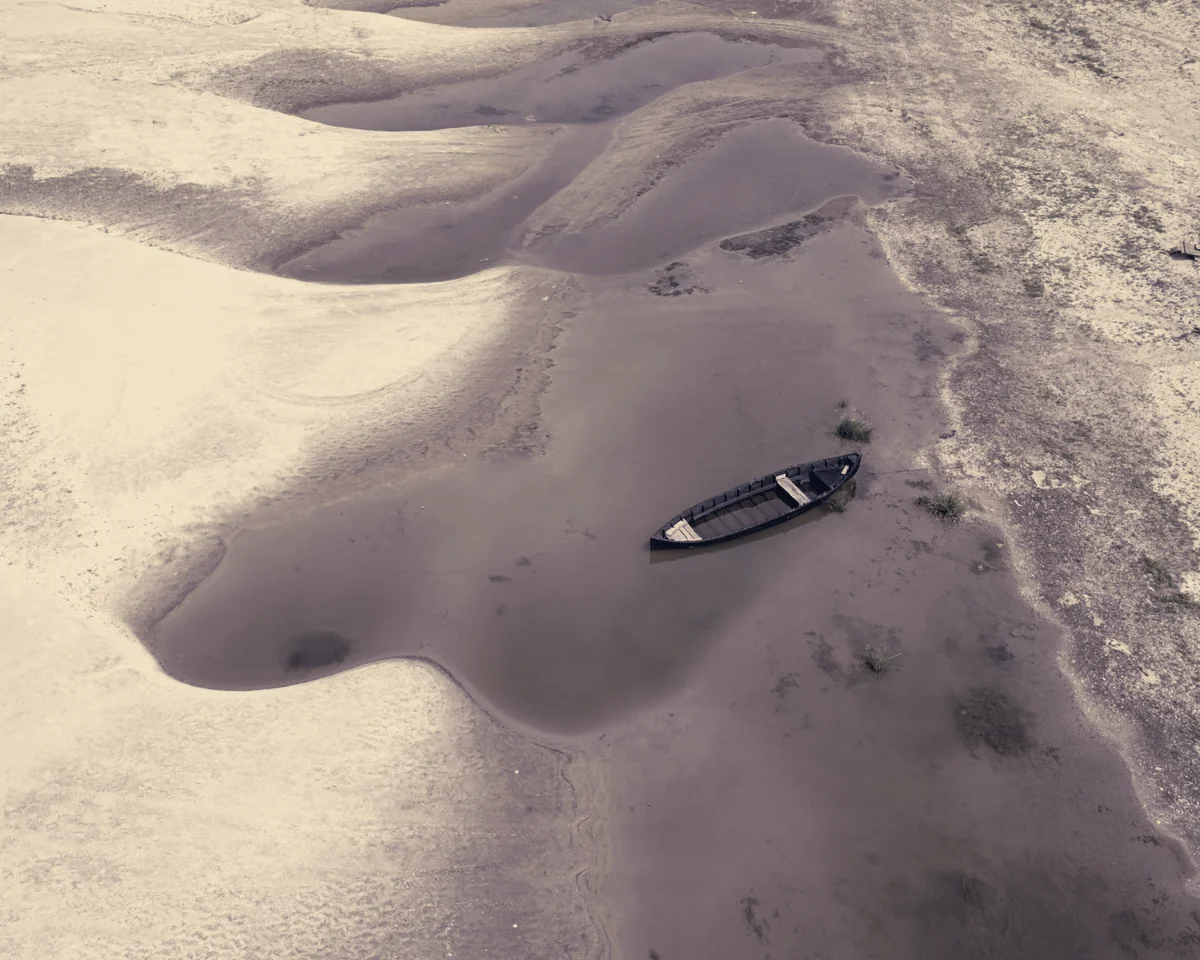
Freshwater systems worldwide face heightened strain after the World Meteorological Organization concluded 2025 was one of the driest years for river flows in over three decades, a shift that narrows water availability for people, ecosystems and economies. The finding signals heightened pressure on supplies that communities rely on for drinking water, irrigation and industry, and increases the urgency of contested choices about how to use dwindling flows.
The Guardian this week opened a year-long project, Our Rivers, to follow how rainfall changes, glacier melt and human engineering are altering flows from source to sea. Reporting will track examples where dry conditions are already material: major basins in Latin America, including the Amazon and the La Plata system, have experienced drought, while mountain glaciers are changing the timing of seasonal runoff that downstream users and species depend on.
South and South Asian systems show similar shifts. The Ganges and the Brahmaputra have been affected by alterations to the monsoon timetable, changing when river-fed supplies arrive. In central Africa the Congo has exhibited prolonged drying that reporting links to reduced rainfall, a weakening Walker circulation and higher sea surface temperatures in the central eastern tropical Atlantic, showing how ocean and atmosphere patterns can transmit stress onto river basins.
On top of climate drivers, human interventions are reshaping outcomes. Many rivers are tightly engineered, and allocation disputes persist at local, state and international levels. The Colorado basin remains a flashpoint of domestic disagreement over shares, and the long diplomatic standoff between Egypt and Ethiopia over the Nile has only recently been settled. Engineering also creates unanticipated problems: sections of the Mississippi altered for navigation face increased ocean incursion at the river mouth.
There are examples of recovery and active management. Biologists credit China’s large restoration investments in the Yangtze with a doubling of fish biomass and early returns of some endangered species. At the same time pollution and sewage remain widespread threats: UK rivers have seen significant sewage discharges, and communities are increasingly mobilising to push for repairs. In Argentina the Reconquista is reported as the country’s second most contaminated river after the Riachuelo, where scientists have trialled an organic treatment while reporters spoke with riverside residents about remedies.
Our Rivers will follow these ecological shifts, governance battles and restoration efforts over the coming year, documenting where streams and rivers are failing and where repair is possible. Readers and local reporters are invited to contribute observations and tips to downtoearth@theguardian.com as the project unfolds.