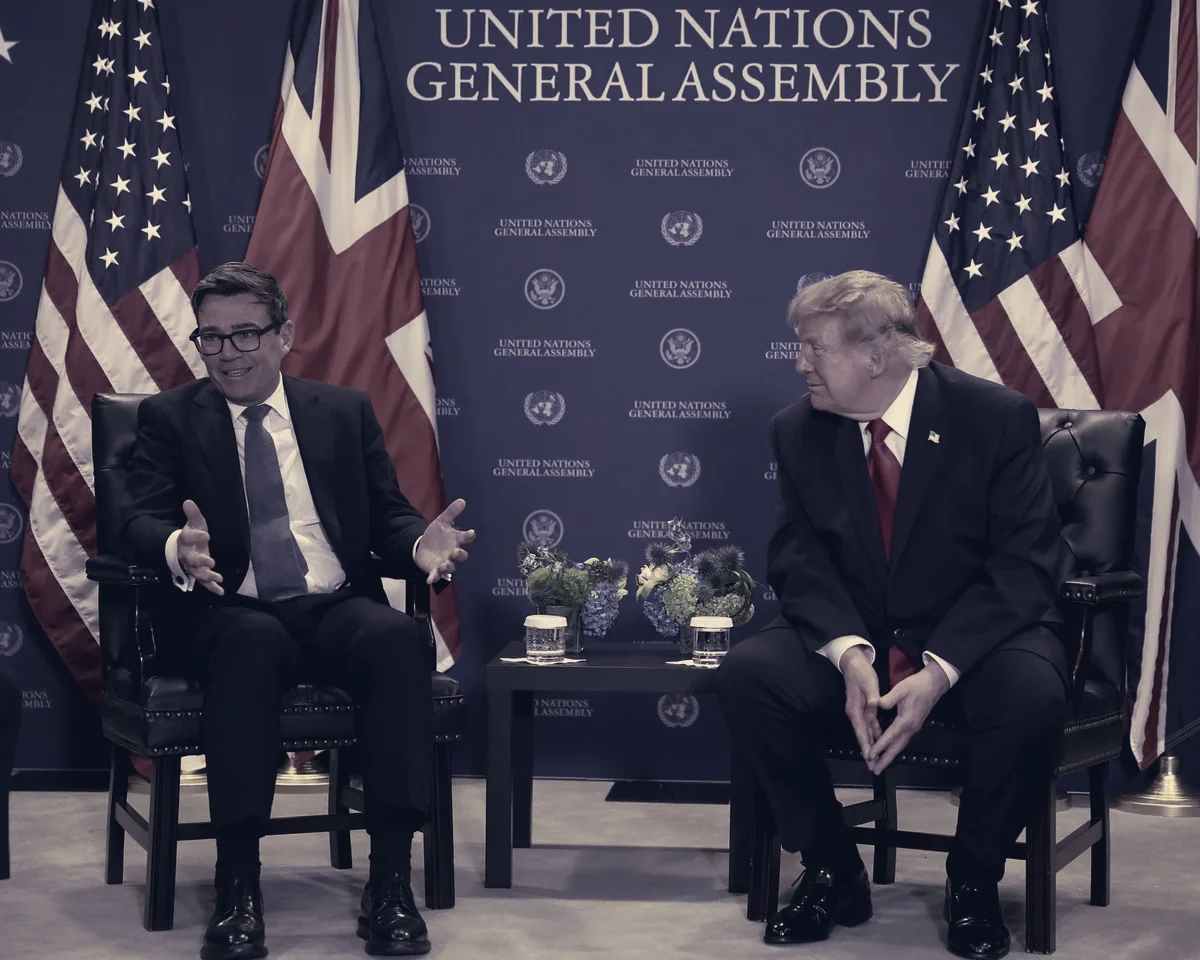
Polly Toynbee warned that Britain’s social cohesion could fray unless Andy Burnham mounts a clear national response to a recent rise in anti‑migrant extremism and public hate campaigns. She says Burnham has a week before his first conference to set the tone, drawing on his northern roots and a positive stance to counter what she describes as a cultural wildfire eroding community bonds.
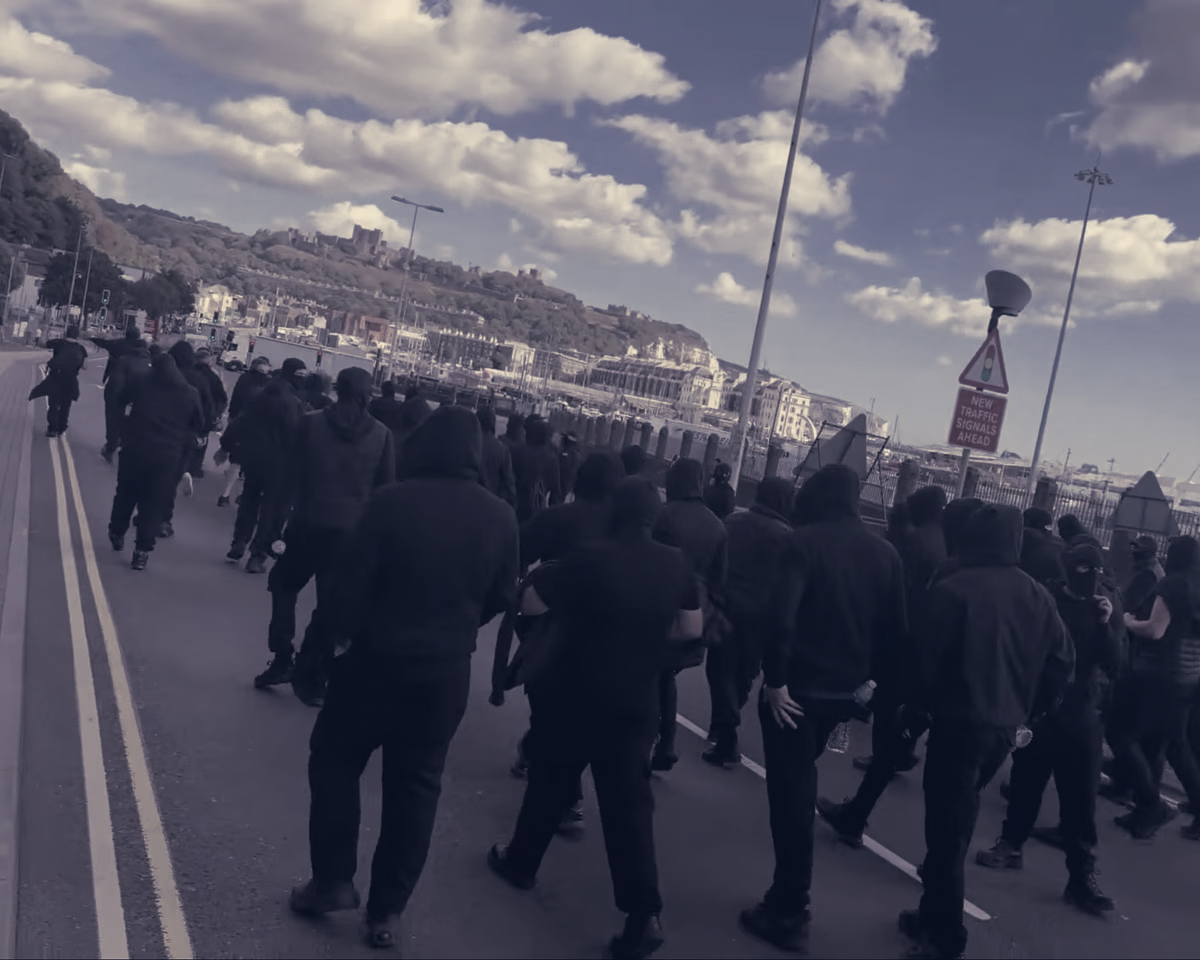
Toynbee points to small, organised groups using shock tactics to seize attention, naming demonstrations in Dover on 5 September 2026 and a march in Portsmouth on 12 September 2026. She says those actions are bleeding into broader public debate while parts of the media amplify a harder line on migration. A poll she cites shows 37% of men aged 25 to 34 express support for Tommy Robinson, a figure she presents as evidence of a worrying shift in youth attitudes.
Nick Lowles, founder of Hope Not Hate, described political conversations behind the scenes and said, “They are ready to push back,” adding, “Good people need to stand up.” Lowles warned that a cordon sanitaire that once limited far‑right influence has weakened, and that his organisation is increasingly assuming the burden of monitoring extremist networks, gathering evidence of planned violence, and stepping into community intervention.
Hope Not Hate’s work, Toynbee notes, ranges from infiltration and evidence collection to rapid local responses and projects intended to reduce tensions. The charity aims to reach trouble spots within 24 hours, organising local faith leaders and residents to defuse incidents. Toynbee also cited specific impacts already visible: RNLI volunteers facing threats that forced a station to close, even though only 1.2% of the charity’s emergency launches involve refugees.
The piece names individual targets of abuse, including Sagal Abdi‑Wali, a former Somali child refugee who is now a local council leader and Labour candidate for Holborn and St Pancras. Toynbee says mainstream politics has lately seemed hesitant to confront ethnonationalist flag‑waving and asylum‑hotel protests, even though earlier rapid policing of the summer 2024 rioters under Keir Starmer showed what decisive action looks like.
Voices across the political spectrum, she notes, are already denouncing racialised attacks on British identity. Rishi Sunak is quoted as saying, “We cannot allow race to be reintroduced into our politics … they are trying to turn Britishness into a DNA test.” Ed Davey called it his “moral responsibility to stop Reform.” Toynbee urges Burnham to speak plainly about racism, separate immigration policy from cultural arguments, and rebut wealthy commentators who frame migration and taxation as national decline.
What Toynbee wants next is decisive leadership: a public, values‑centred campaign from Burnham to reclaim patriotism, shore up multicultural cohesion, and draw a clear political line between legitimate democratic debate and organised hate. With recent protests, polling and targeted threats already affecting communities and volunteers, she says the next week is a test of whether mainstream politics will act to contain the spread of ethnonationalist rhetoric.