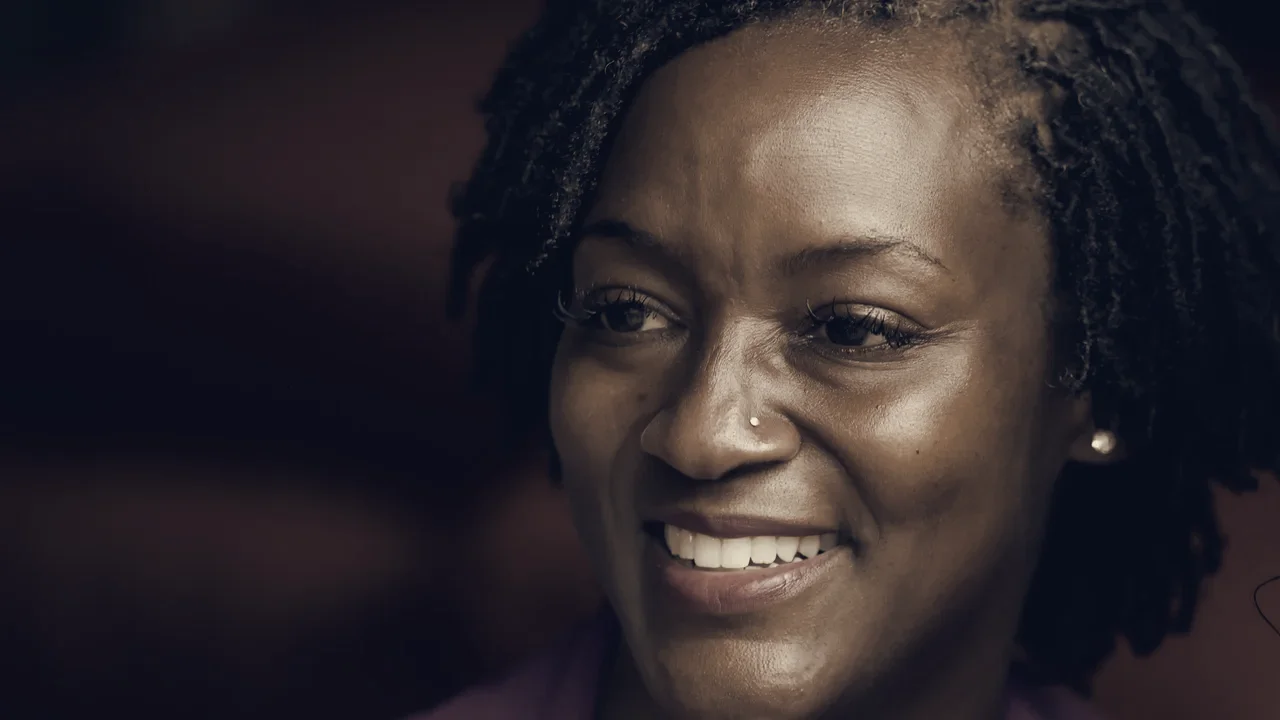

Angie Nixon’s primary victory last month makes her the Democratic nominee for the U.S. Senate in Florida and foregrounds a grassroots, small-business and youth-mental-health agenda in a high-profile race. The 42-year-old labor organizer and Florida House member, only the second Black woman to win a major party Senate nomination in Florida, is campaigning across the state while raising five children.
Nixon has added national progressive firepower to her bid, winning an endorsement from Rep. Alexandria Ocasio-Cortez and cultivating relationships with lawmakers she cites as models, including Ayanna Pressley, Bernie Sanders and Summer Lee. She frames those alliances as part of a broader push to shift power away from concentrated money in politics. "We're going to need all hands on deck as we fight against this money," she said.
Her campaign style reflects her biography. Nixon co-founded Jacksonville’s Melanin Market and ran Cafe Resistance, a bookstore and coffee shop. Those ventures shaped her pitch to voters: small-business owners need access to capital and practical knowledge, she says, and policy should reduce the risk that community enterprises fail. Nixon acknowledges she learned those lessons the hard way, and she plans to bring that practical perspective to the Senate.
Balancing a statewide campaign with parenting is central to Nixon’s narrative. She pointed to a "very strong village" that helps care for her children while she knocks on doors and attends events. Nixon also co-wrote a children’s book with her daughter Natalie to turn an early insecurity into a story of empowerment, saying they turned "her Afro puffs, into her superpower."
Her campaign image grew from a sharp retort to criticism. After an opponent’s wife mocked her footwear, Nixon bought hot pink Skechers to match her campaign colors and later outfitted her team in the same shoes for canvassing. The sneakers have become a visible signature on the trail.
Nixon has also weathered racist attacks from conservative critics. She says she has "clapped back a few times," but finds the attacks tiring and has relied on rising national support to blunt their sting. She has made youth mental health a policy priority after her daughter’s struggles with depression and anxiety, arguing that social media companies should change algorithms that amplify harmful content for young people.
What comes next is a statewide general campaign that will test whether Nixon’s coalition-building, progressive endorsements and retail-organizing can translate into broad voter support. She plans to keep mobilising volunteers and partners as she pushes a platform built from small-business experience and a focus on young people’s mental health.