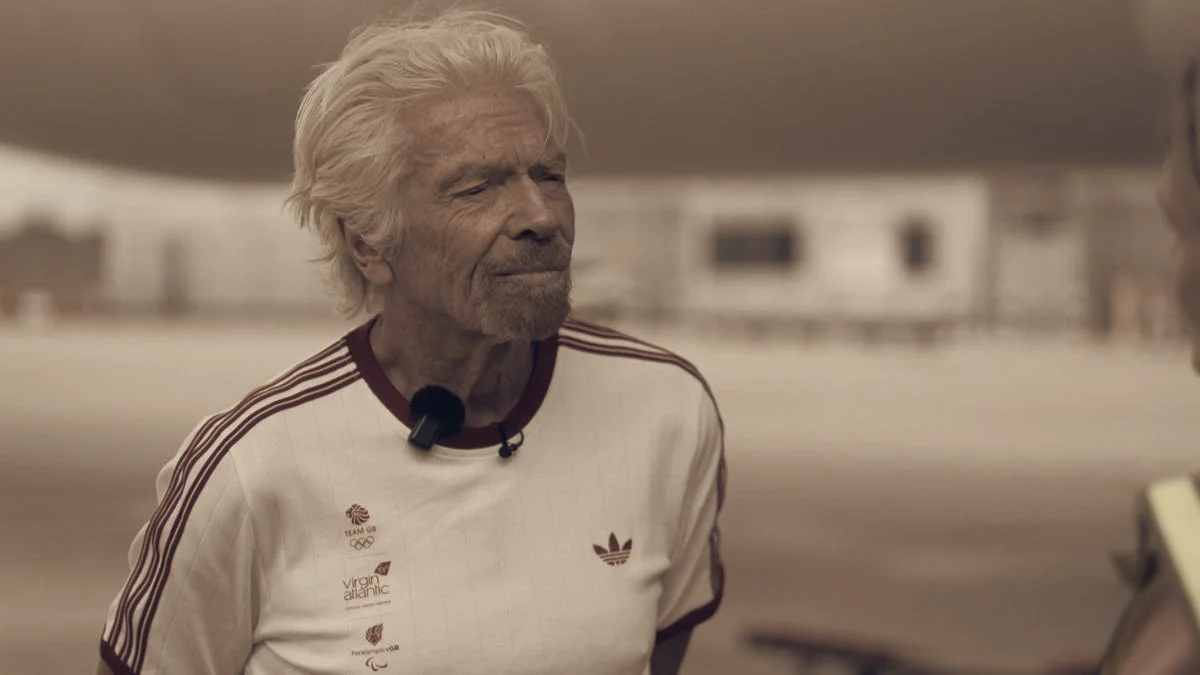

Passengers are paying more to fly after jet fuel rose sharply following renewed conflict in the Middle East, and Sir Richard Branson blamed the spike on "foolish leaders" who started the war. The surge in oil disruption has pushed up the price of car and jet fuels, forcing carriers to pass costs to customers through surcharges and higher fares.
Virgin Atlantic added a fuel surcharge in May, levying £50 on economy tickets, £180 on premium fares and £360 on business class. The airline’s chief executive, Corneel Koster, said for "this level of fuel price" the extra charge was "absolutely required" and that it was "hard to be optimistic at this moment about the situation in the Middle East."
Benchmark jet fuel earlier traded around $800 (£590) a tonne before the conflict and spiked to over $1,800 in April. It has since eased to about $1,450, but remains far above pre-crisis levels. Analysts and airlines have linked the price movement to disruptions in the production and transportation of millions of barrels of oil.
Rival carriers have also cut flights and raised fares. Consultancy Teneo estimated the conflict drove a near 25% rise in air fares in April. Ryanair warned it would reduce its winter schedule and that European short-haul prices would "increase materially" if jet fuel keeps rising toward next summer.
Branson framed the wider political backdrop in stark terms, calling the Iran conflict "completely unnecessary" and saying the decision to abandon the previous nuclear agreement had contributed to higher oil prices and inflation. The source quoted President Donald Trump as defending the conflict as necessary for long-term security, a point Branson explicitly disputed.
Despite the pressure on costs, Virgin Atlantic does not plan substantial network cuts for winter, saying capacity was only slightly reduced previously and the airline expects to operate about 95% of its regular schedule. The carrier also secured the contract to fly Team GB and ParalympicsGB to Los Angeles for the 2028 Olympics, taking the role from British Airways.
What happens next hinges on fuel markets and geopolitics. If jet fuel prices remain elevated or climb again, more carriers are likely to raise fares, trim schedules or add surcharges. For now passengers face higher travel bills, and airlines must balance short-term price moves with seasonal capacity decisions and longer-term commercial contracts.