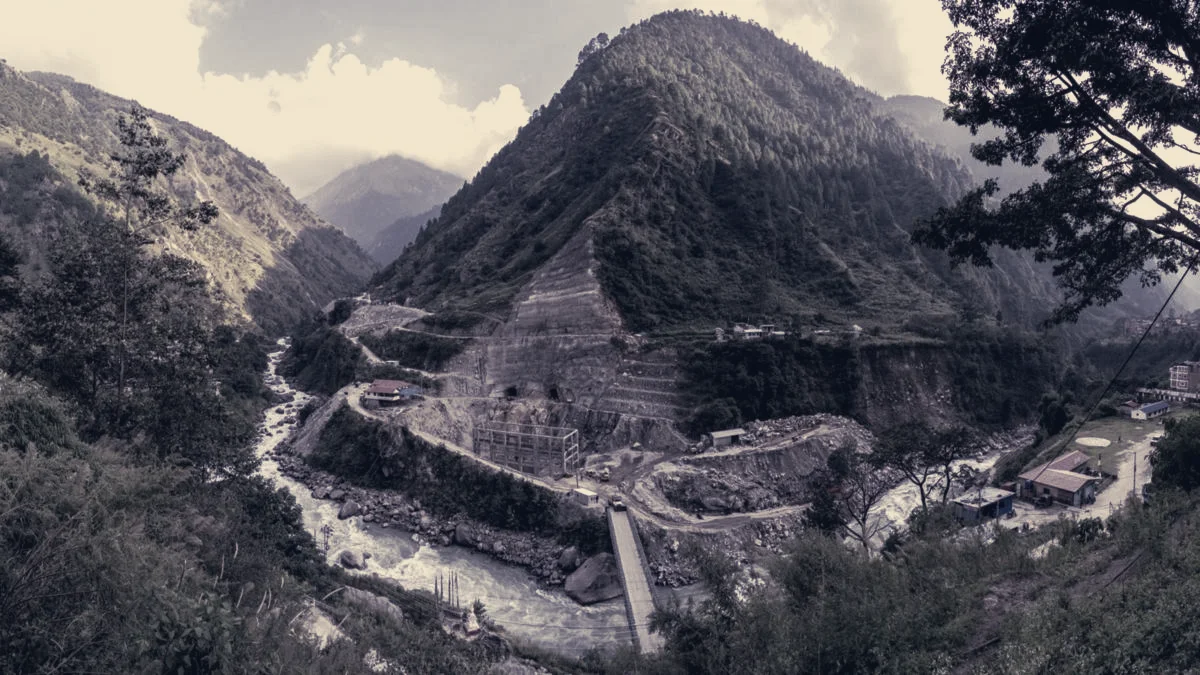

Nepal lost more than 10% of its electricity generation after flash floods devastated 12 hydropower facilities along the Trishuli River basin. The deluge killed more than 1,300 people and left thousands missing as torrents raced down from high-altitude terrain, and operators say they do not yet know whether the damaged plants can be returned to service.
The state-owned Nepal Electricity Authority, which controls six of the damaged sites, says household supply is currently adequate. Its spokesman Rajan Dhakal warned, "the time has come for a rethink of our hydropower policy," signalling an official recognition that the country's near-total dependence on river power is a systemic risk.
Nepal exports hydroelectricity to India and Bangladesh, earning nearly $200m, and about £147m, a year, a stream of revenue now exposed by the outage. The system comprised 225 hydropower plants with more than 3,900MW of installed capacity, enough to serve roughly three million households, and hundreds more projects are under construction or planned. That build-out helped move supply from intermittent outages a decade ago to almost round-the-clock availability by 2018.
Preliminary probes point to a collapsed glacier and its bedrock as the flash flood's source, and specialists link the event to warming trends in the Himalayas, which are rising about 50% faster than the global average. Nepal’s Disaster Risk Reduction and Management Authority says more than nine in 10 disaster events recorded between 2018 and 2024 were "related to climate," underscoring a pattern of escalating hydrological hazards.
Former energy minister Kulman Ghising described the event as a "once-in-a-century" deluge and urged tougher plant design, early-warning systems and stronger evacuation measures, saying, "We need to design the plants [to be more] resilient to the floods and, most importantly, adopt early-warning systems as well as robust emergency evacuation measures." Industry and academic voices are pushing for a broader energy mix. Kushal Gurung of WindPower Nepal said, "We should not be putting all our eggs in one basket in these dangerous times," while Vivek Shastry at Columbia University’s Center on Global Energy Policy added that "meaningful additions of wind and solar generation is a resilience strategy that can limit single-point or interconnected electricity system failures in the future."
A German aid agency report estimates Nepal’s technical solar potential at around 10 times that of hydropower, though some analysts caution that diversification has limits because hydropower remains the country’s comparative advantage. Officials are weighing trade-offs. Dhakal suggested a move toward reservoir-based plants could allow water storage and controlled releases, but he noted such projects carry heavy economic and environmental costs.
Rescue teams believe hundreds of workers, engineers and local residents remain trapped in mud-filled tunnels at damaged plants, and Kathmandu has said it will need billions in funding to rebuild. Policymakers now face a stark choice: invest heavily to harden a hydropower-first system against increasingly extreme mountain hazards, or accelerate investment in solar, wind and cross-border imports to reduce exposure to single-source failure.