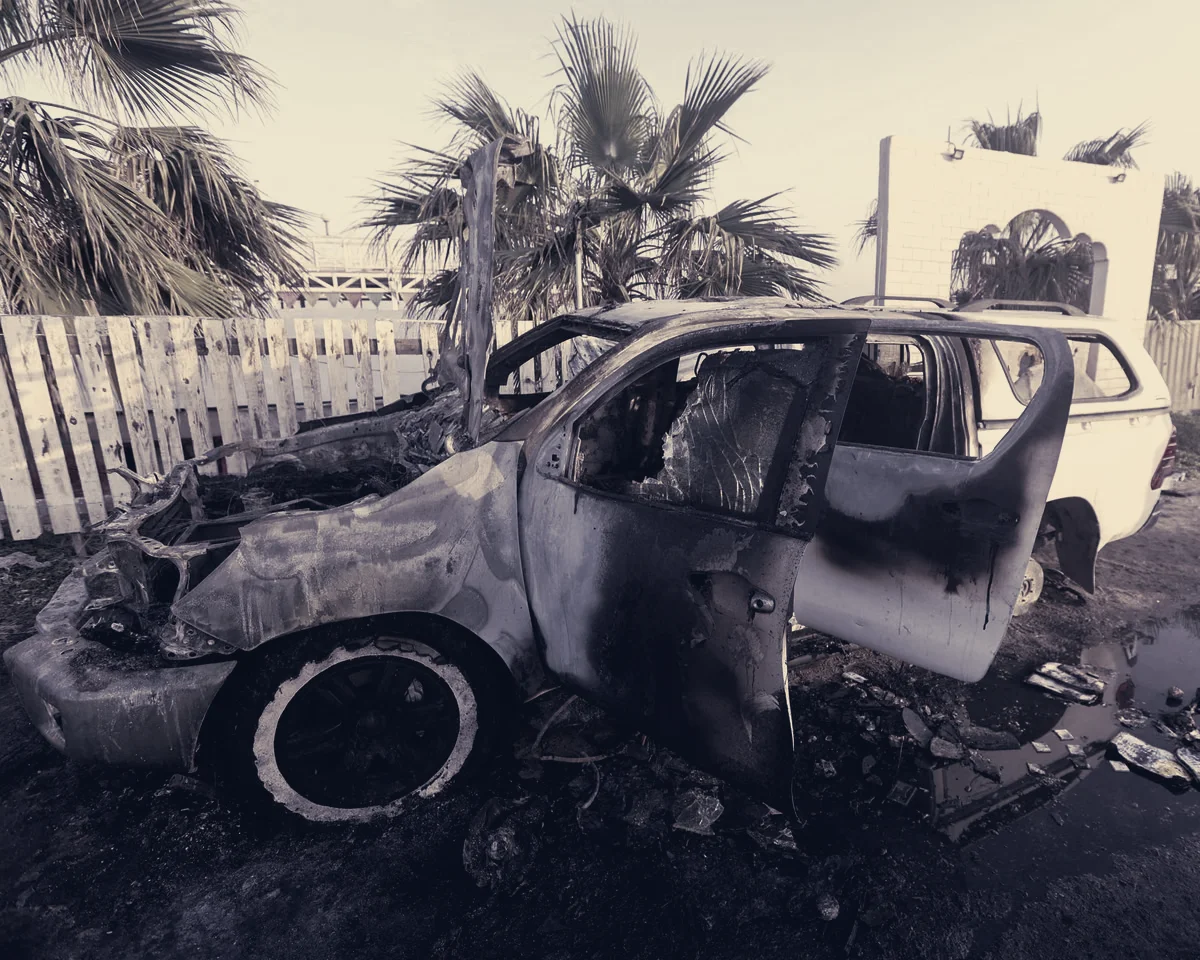

Seven international humanitarian workers were marked as targets under an Israeli field practice and killed in an April 2024 airstrike, exposing how commanders’ discretion can turn clearly marked aid vehicles into lethal objectives.
Drones fired on three World Central Kitchen cars shortly after the convoy had escorted a food delivery toward Rafah. The strike killed three British aid workers, an Australian, a Pole, a Palestinian and a dual US-Canadian national. Israel’s military prosecutor has chosen not to pursue criminal charges for the attack, a decision condemned by Britain, Australia and Canada as "shameful" and pledged to continue seeking answers.
The army’s official account blamed errors by a small number of officers and said the convoy had deviated from an agreed route and used armed guards. Interviews with senior Israeli officers involved in or familiar with the inquiry indicate the killing hinged on a broader targeting habit, known in Hebrew as haflala, or "incrimination," in which people can be deemed hostile by association with suspected militants.
Reserve colonel Nochi Mendel, who ordered the strikes and was later dismissed from his post, told investigators his unit treated the aid workers as potential targets after a short encounter with armed men assumed to be from Hamas. He described the group as having "mixed together" with those fighters and said, "Certainly," the presence of armed men made the convoy a target. He added, "They were not innocent because they were connected to Hamas." Mendel also said his unit had received praise from higher command for action taken against alleged attempts by militants to commandeer aid.
World Central Kitchen rejected the prosecutor’s conclusion as "inconsistent with the full truth and deeply offensive," saying its Gaza team was unarmed and a threat to nobody, and that the Israeli military had "full visual clarity" on clearly marked humanitarian vehicles during the strikes. The UK opened an inquest in 2024 into the deaths of James Kirby, James Henderson and John Chapman but adjourned the hearing pending the outcome of the Israeli probe.
The episode has unfolded against the wider backdrop of the Gaza war, in which more than 70,000 Palestinians have died over three years and the army’s internal figures indicate more than three quarters were civilians. Senior officers told investigators the WCK convoy was not near Israeli troops when it was struck and that the attack was driven by a mission to prevent Hamas exerting control over aid, rather than by any immediate threat to soldiers.
Families and governments say the lack of criminal charges leaves unanswered questions about how field rules for target designation are applied, and about how accountability will be enforced when foreign nationals die. Governments pressing for more information and the paused UK inquest are the immediate next steps in a case that highlights the risks posed to aid deliveries when military policy treats proximity to armed actors as sufficient grounds for lethal action.