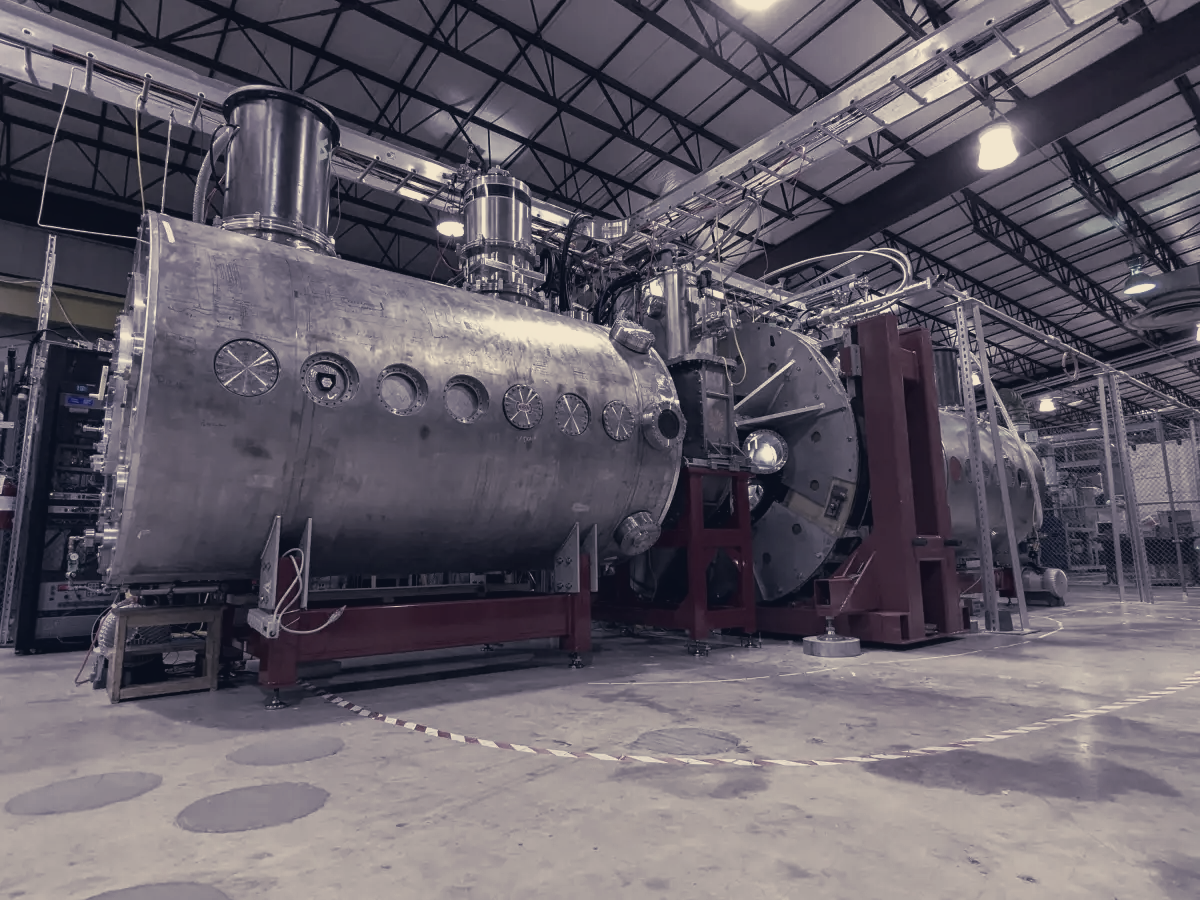

Realta Fusion gains early access to sites, capital and engineering support after striking a deal with Madison Gas and Electric to explore a 200-megawatt grid-connected fusion power plant in Wisconsin, with construction targeted for the mid-2030s.
The agreement includes an equity investment by the utility, while Realta will receive help with site selection, permitting, interconnection and technical work. The startup is converting an old Oscar Mayer factory in Madison into an R&D facility and will draw on the utility’s expertise and land options as it advances toward a commercial build.
For fusion companies, utility partnerships are a fast route to lower development costs and greater credibility. Access to interconnection points and utility engineering shrinks barriers that otherwise drive up capital needs for demonstration projects. For utilities, the deals provide an early line on a technology that promises continuous, low-carbon output instead of the variable generation from wind and solar.
The Realta agreement follows a pattern of utilities tying up with fusion developers. Commonwealth Fusion Systems has a partnership with Dominion Energy to lease land for its 400-megawatt Arc plant near Richmond, Virginia, with Google and Eni contracted to buy electricity and the plant expected in the early 2030s. Helion is working with the Chelan County Public Utility District to site a 50-megawatt Polaris facility slated for 2028 to supply Microsoft. Type One Energy plans a 350-megawatt plant on a former coal site near Oak Ridge, Tennessee, under a deal with the Tennessee Valley Authority, targeting the mid-2030s. In Europe, Proxima Fusion aims to build the Stellaris plant at a decommissioned site owned by RWE in the late 2030s.
The practical upside for utilities is long-term: fusion could supply round-the-clock baseload capacity as data centers and electrification drive demand. The trade-off is time and uncertainty, with commercial plants likely years away. Utilities, accustomed to multi-decade projects, appear willing to accept that horizon to avoid the greater risk of an underpowered grid.