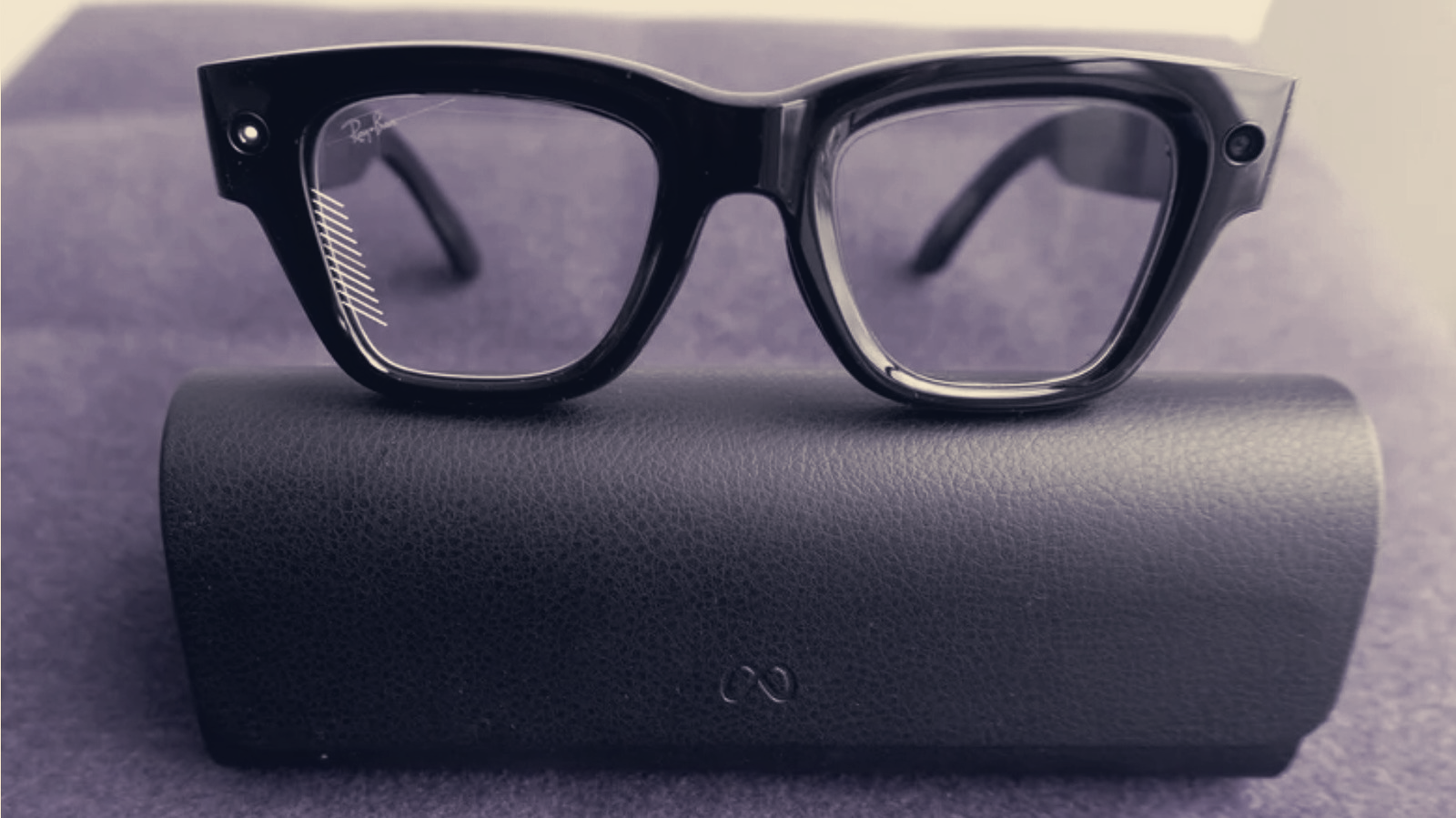
The Ray-Ban Display will let wearers appear as a photorealistic hologram on calls, changing how people present themselves when using the smart glasses. Meta said the hologram is driven entirely by the wearer’s voice, with the model inferring expressions from what and how the user speaks. The feature will enter early access later this fall for WhatsApp users in the US.
Meta also widened the Display’s navigation and software toolset. Heads-up directions can now be requested for cycling or public transit, and will roll out in the US and Canada later this month. Navigation prompts can be tied to real-world landmarks rather than only street names, so the system can instruct a wearer to "turn left at the yellow house" instead of "turn left on Third Street."
To address the device’s limited app catalogue, Meta is introducing an Explore app on both the glasses and the Meta AI app to help users discover programs that work on the Display. Other incremental updates include Dolby Atmos for capture and playback, in-display photo editing, a more detailed calendar view, mirrored phone notifications, and Threads support for Community Feeds.
The hardware is expanding beyond the US. Ray-Ban Display will be available to order online in the UK, Canada, France, Italy and Germany. The glasses are available today in the UK starting at £749 and in Canada starting at CA$1,149. Pre-orders open today for France, Italy and Germany at a base price of €899, with availability beginning October 13.
Meta’s changes aim to make calls from glasses feel more natural and to broaden the device’s utility, but initial availability is staggered by region and app. The hologram arrives first on WhatsApp in the US in early access, and wider adoption will depend on how developers use the new Explore catalogue and which apps add support.