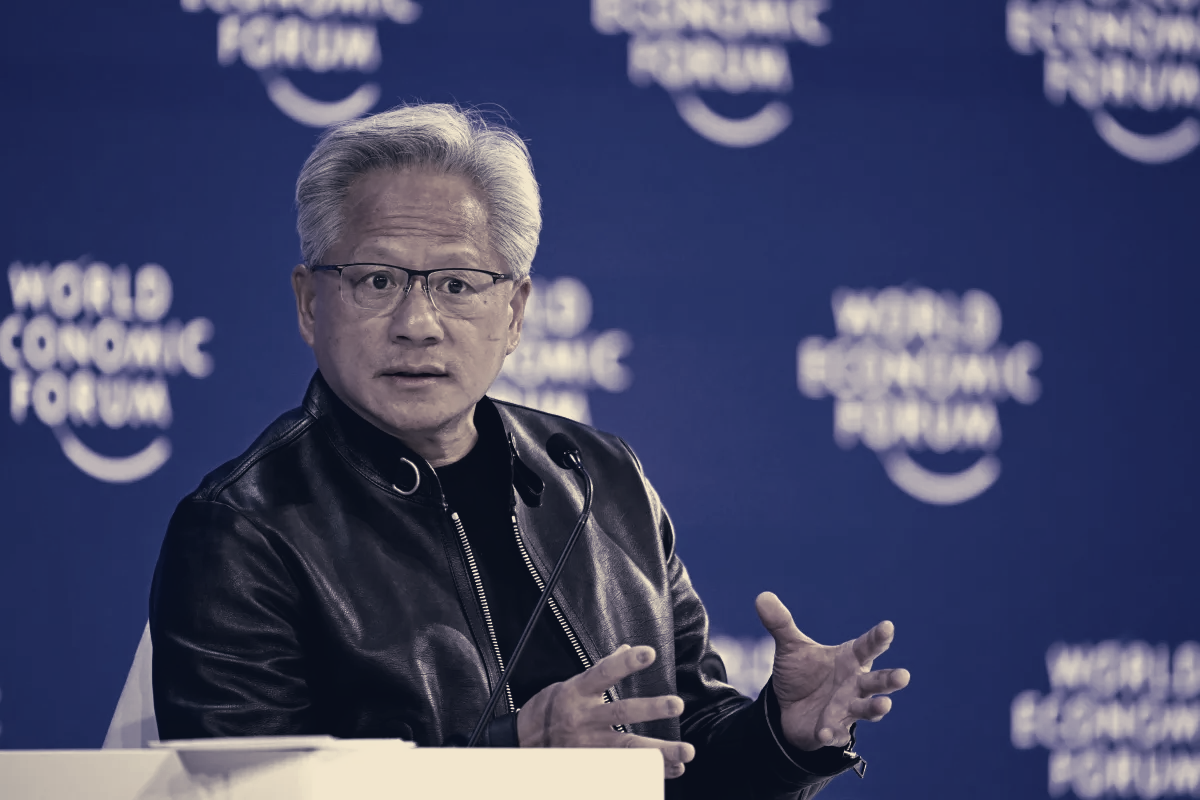
Nvidia signalled it would push back against calls to slow artificial intelligence after CEO Jensen Huang answered a call from President Donald Trump while onstage at the All-In Summit and told him, "We're not going to let that happen, sir." The live exchange, projected to the audience with an extra microphone, came during a panel discussion about Anthropic CEO Dario Amodei's proposal to slow the pace of capability improvements in AI.
Huang took the call in front of hosts Chamath Palihapitiya, Jason Calacanis, David Friedberg and David Sacks, asking stagehands for a second microphone so attendees could hear. Trump used the moment to link the pause proposal to actors he said opposed American tech expansion, saying, "They're just playing right in the hands of a lot of people that don't want to see it happen. That could be political people. It could also be China. And we're not going to let that happen. It's a hoax." The crowd applauded Huang's reply.
The conversation underscored a public split among prominent tech figures. SpaceX CEO Elon Musk and OpenAI CEO Sam Altman have said they agree with Amodei's call for a slowdown, while Huang publicly diverged onstage. Trump and some backers, including Y Combinator CEO Garry Tan, have argued that opposition to new data centers is part of a broader effort to limit US growth.
That political defence meets significant local resistance. A recent Gallup poll found seven in 10 Americans oppose building data centres in their area, more than 50% citing effects on environmental resources, and about 20% reporting concerns about cost-of-living increases and impacts on quality of life. The figures frame a practical obstacle for companies that need new facilities to scale compute for advanced AI models.
The episode makes clear the alignment between a leading chipmaker and a sitting president on preserving momentum for AI infrastructure, even as other industry leaders call for restraint and communities push back on data centre expansion. The debate over policy, permits and the acceptable pace of AI development is likely to remain a central tension as companies and regulators weigh next steps.