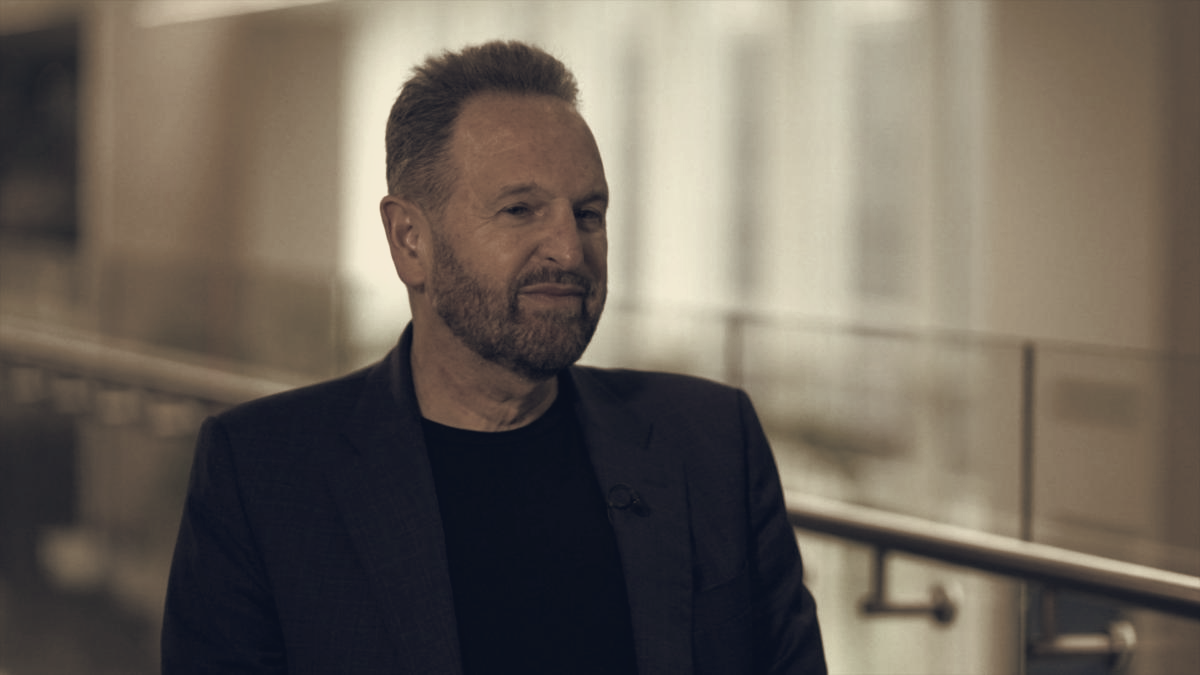

A global shortage of specialised chips is limiting the data-centre growth that Arm's chief executive says is necessary for training the larger AI models that could accelerate medical breakthroughs. Rene Haas argued larger models and more detailed data, fed into far greater compute capacity, are the path to solving problems that remain beyond today's hardware and algorithms.
"AI is going to... find a cure for cancer that today you and I, other humans [could] not in our lifetimes. I believe in our lifetime, AI will help cure cancer," Haas said, while noting some problems are still "too complex" for current models. He framed the bottleneck as one of infrastructure: to train ever more detailed models requires a sharp increase in data-centre capacity, and that in turn demands more chips.
Haas pointed to planned very large "multi-gigawatt" facilities in countries such as France and the US and mentioned even proposals to host data centres in space as signs of the scale operators are seeking. Arm, based in Cambridge, designs central processing architectures used across a wide range of devices, and the company says its energy-efficient designs now power half of AI data centres worldwide. Arm has also recently started selling its own microchips, and Haas said Meta asked the company to develop an Arm AGI chip; demand for that part, he added, has been more than $2bn since it launched in March.
On manufacturing, Haas questioned the value of building full-scale fabs in the UK, saying, "I don't think it's necessary for the UK to [build] fabs. Fabs are very expensive. They take a lot of specialised workers. They take a lot of natural resources." His comments underline a practical gap between national ambitions to reshore semiconductors and the costs and resources required to scale fabrication capacity.
Not everyone agrees that raw compute is the decisive variable for medical AI. Professor Chris Bakal of the Institute of Cancer Research and chief executive of Sentinal4D said his lab focuses on training models with measurements from patient samples rather than internet-scraped data, and argued, "the future of medical AI will not belong to whoever builds the biggest computer. It will belong to whoever has the right measurements." He suggested better data could accelerate treatment development by years.
Haas also predicted widespread deployment of self-learning robots across manufacturing and services within a decade and downplayed forecasts of mass job losses, while defending AI company valuations on the basis of sustained long-term demand. He remains a major employer in Cambridge, stepped down from the board of AstraZeneca in April, and holds a role with Arm's principal owner, SoftBank.
What happens next will depend on whether chip production can scale quickly enough to supply larger models and expanded data-centre capacity, and on which datasets researchers use to train the models that could change drug discovery timelines.