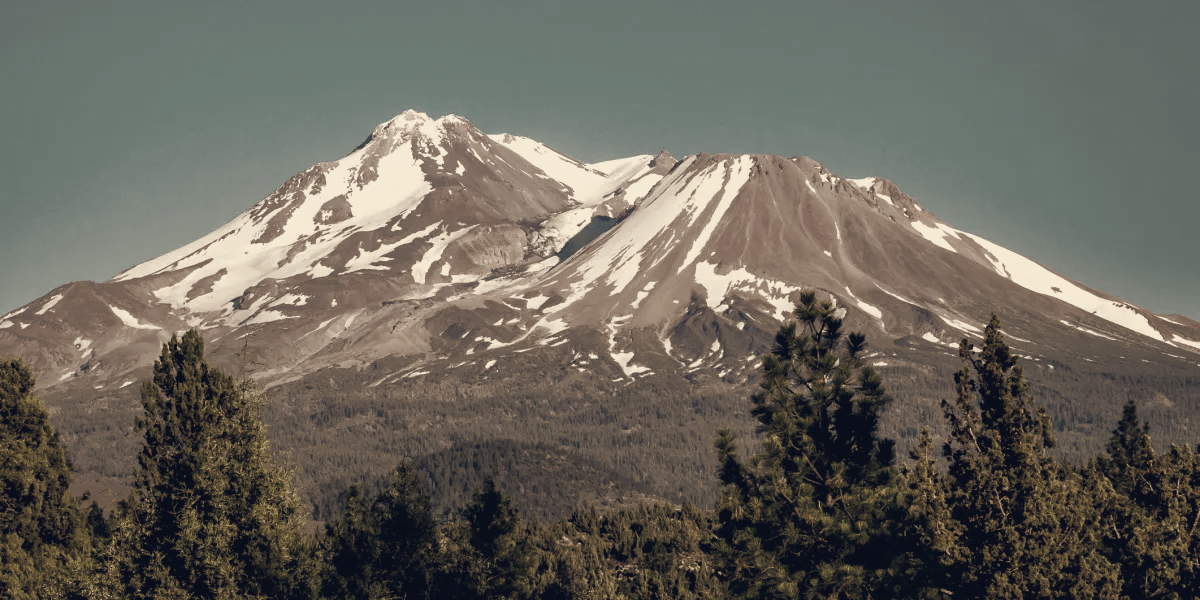

A flawed itinerary from an AI tool left three climbers short of food and water, triggering an overnight rescue operation on Mount Shasta.
The Siskiyou County sheriff’s office said the three young men began their ascent at 3am. Local guidance recommends turning back by noon if the summit has not been reached, yet the group did not reach the peak until roughly 7pm. That delay extended an expected eight-hour climb into a multiday ordeal and forced them to descend after dark.
The hikers contacted the sheriff’s office for directions and spent the night in Mud Creek Canyon. Forest Service rangers and volunteers located and rescued the party the following morning.
The sheriff’s office said the climbers “were advised by Gemini to bring far less food and water than their group required, especially when their planned 8-hour ascent became a multiday ordeal.” The statement stopped short of assigning sole blame to the AI tool, while flagging the guidance as inadequate for the conditions the group encountered.
Officials urged would-be climbers to verify conditions with local authorities before departing. “It is always advisable to call the local USFS Mount Shasta ranger station ahead of your trip to ensure you have the most accurate information, and to never rely solely on AI for your trip planning,” the sheriff’s office said.
The episode highlights the limits of AI-generated itineraries in safety-critical environments where changing weather, route conditions and human endurance matter. For Mount Shasta, where timing and supplies can determine whether a climb ends at sunset or in a rescue, on-the-ground knowledge from ranger stations and experienced guides remains decisive.
Authorities advised treating AI planning tools as one source among several, not a replacement for human judgment and official local information. Climbers preparing for Mount Shasta trips should contact the USFS ranger station and confirm supplies and turnaround times before setting out.